Geriatric Weight Loss & Muscle Wasting (Sarcopenia)
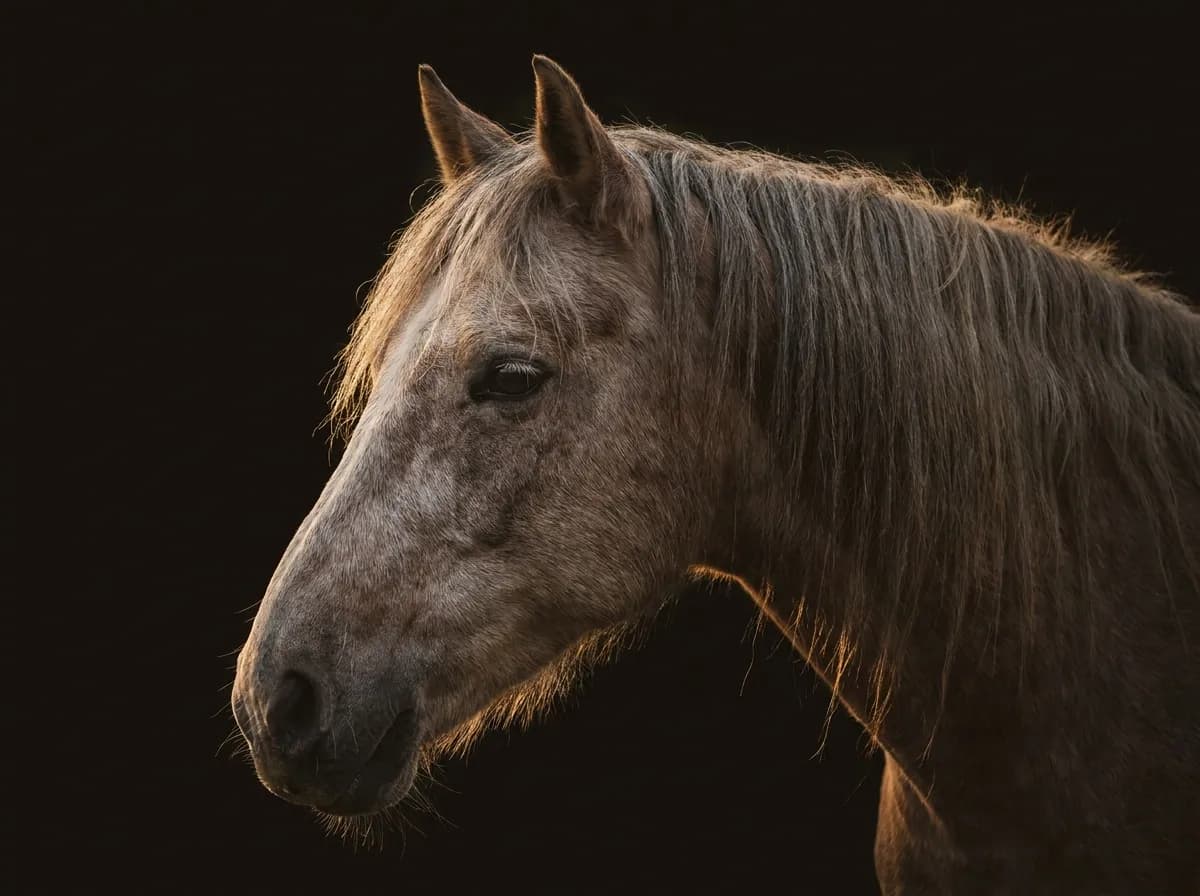
Many older horses lose weight and especially muscle (sarcopenia) over time, particularly over the topline and hindquarters. This is almost always multifactorial — tooth wear, hormonal changes (PPID), declining feed utilisation, pain or competition in the herd act together. Weight loss in old age is not a normal part of ageing but a reason to look specifically for the causes.
Veterinary care required
This condition belongs in veterinary diagnosis and treatment. Compounds are at most supportive.
Priority · vet & management
The focus is on veterinary investigation of the cause — dental check, blood count, ACTH if PPID is suspected, fecal exam and a pain check — not simply feeding more. On this basis follow a needs-based, well-digestible (often soaked) ration, a separate quiet feeding place and regular weight monitoring (BCS, weight tape). Complementary feeds are only adjunctive.
Possible causes
- · dental problems with poor grinding (tooth wear, gaps, EOTRH, sharp edges)
- · PPID (Cushing) and age-related hormonal/metabolic changes
- · declining digestive and protein utilisation as well as increased maintenance/protein demand in old age
- · chronic pain (e.g. osteoarthritis), parasite burden or a low-ranking position at the feeding place
Supportive compounds · supplementary feed, not medication
Lysine
AMGFEI freefirst limiting amino acid; discussed in the context of muscle/protein supply in the senior
Compound profile →Linseed
AMGFEI freeenergy-dense omega-3 source for condition and coat
Compound profile →Brewer's yeast
AMGFEI freeB-vitamins, traditionally to support appetite and condition
Compound profile →Vitamin E
AMGFEI freeantioxidant; discussed in the context of muscle preservation in older horses
Compound profile →Prevention
Regular senior checks (teeth, weight/BCS, ACTH if suspected) and adapted feeding/housing management detect beginning decline early, before it determines the general condition.
Equiterna's take
Equiterna understands geriatric weight loss as a leading symptom, not a diagnosis: behind it there are almost always several causes at the same time. The first step is the veterinary work-up — feeding follows the diagnosis, not the other way round.
Usage note
This content is for information and education. It does not replace veterinary diagnosis or treatment. If your horse shows signs of illness, consult a veterinarian.
Equiterna is an intermediary platform for equine knowledge, marketplace and tools — not a veterinary-medicines dealer, veterinary practice or pharmacy. Compound information is study-attributed and free of healing claims. Legal framework: Regulation (EU) 2019/6 / TAMG (DE/AT), Feed Regulation (EC) 767/2009, FEI Prohibited Substances List, HWG.