
Sharp Enamel Points / Dental Hooks
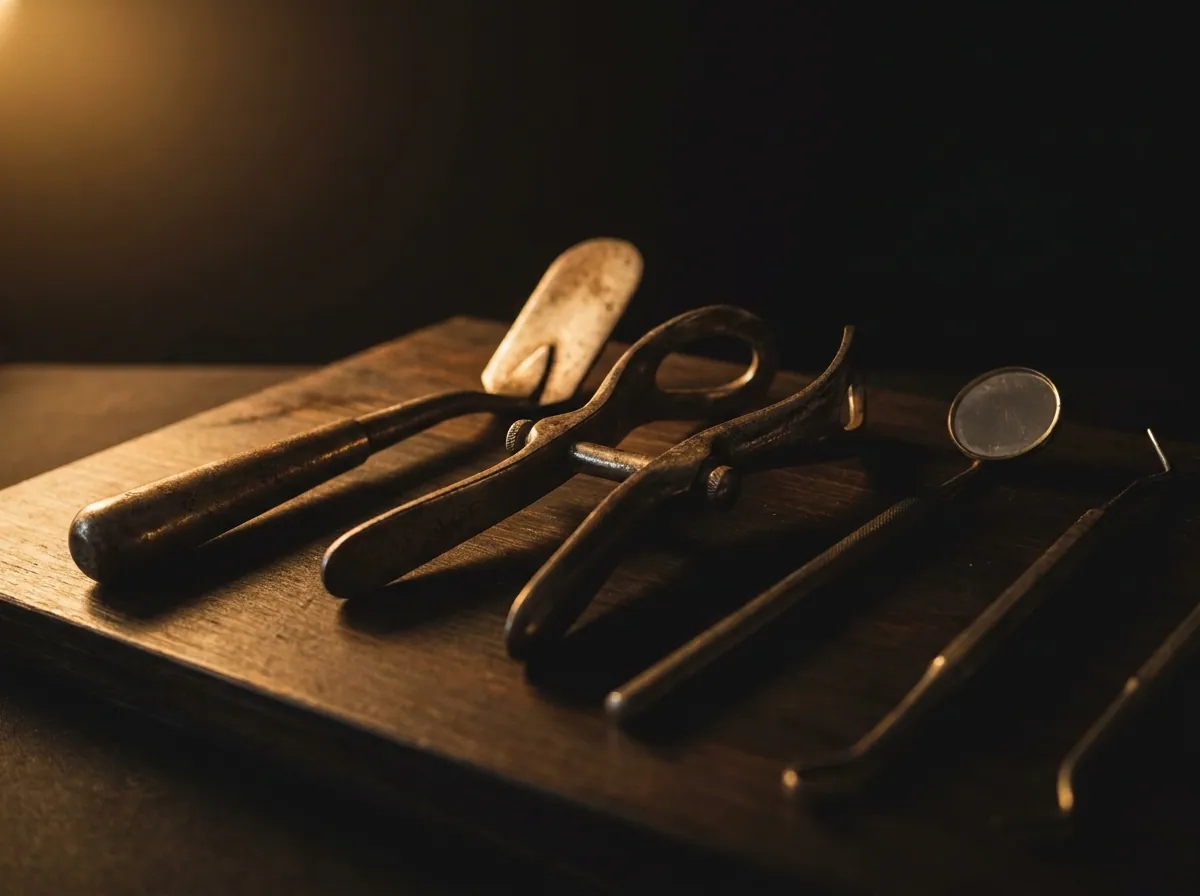
Horse teeth grow throughout life and wear down through chewing. Because the upper jaw is wider than the lower, sharp enamel points form on the outer edges of the upper and the inner edges of the lower cheek teeth, which can press into the cheek or tongue. They are among the most common findings at a routine dental check.
Veterinary care required
This condition belongs in veterinary diagnosis and treatment. Compounds are at most supportive.
Priority · vet & management
Assessing and reducing sharp points (rasping/floating, usually under sedation) belongs in the hands of a vet or specialised equine dentist with a mouth gag and light source. Complementary feeds play no role here — the dental check and correction are decisive.
Possible causes
- · natural anisognathic jaw anatomy (upper jaw wider than the lower jaw)
- · lifelong tooth growth with uneven wear
- · one-sided or insufficient chewing
- · missing or too-infrequent dental checks
Supportive compounds · supplementary feed, not medication
Prevention
A regular dental check (usually at least once a year, often more frequently in young and old horses) detects sharp edges early, before they lead to mucosal injuries or chewing problems.
Equiterna's take
Equiterna sees dental hooks as a typical example of how closely mouth and digestion are connected: poorly chewed feed burdens the entire onward digestive tract. The key is the regular professional dental check, not feeding.
Usage note
This content is for information and education. It does not replace veterinary diagnosis or treatment. If your horse shows signs of illness, consult a veterinarian.
Equiterna is an intermediary platform for equine knowledge, marketplace and tools — not a veterinary-medicines dealer, veterinary practice or pharmacy. Compound information is study-attributed and free of healing claims. Legal framework: Regulation (EU) 2019/6 / TAMG (DE/AT), Feed Regulation (EC) 767/2009, FEI Prohibited Substances List, HWG.