Immunosenescence (age-related decline of immune defence)
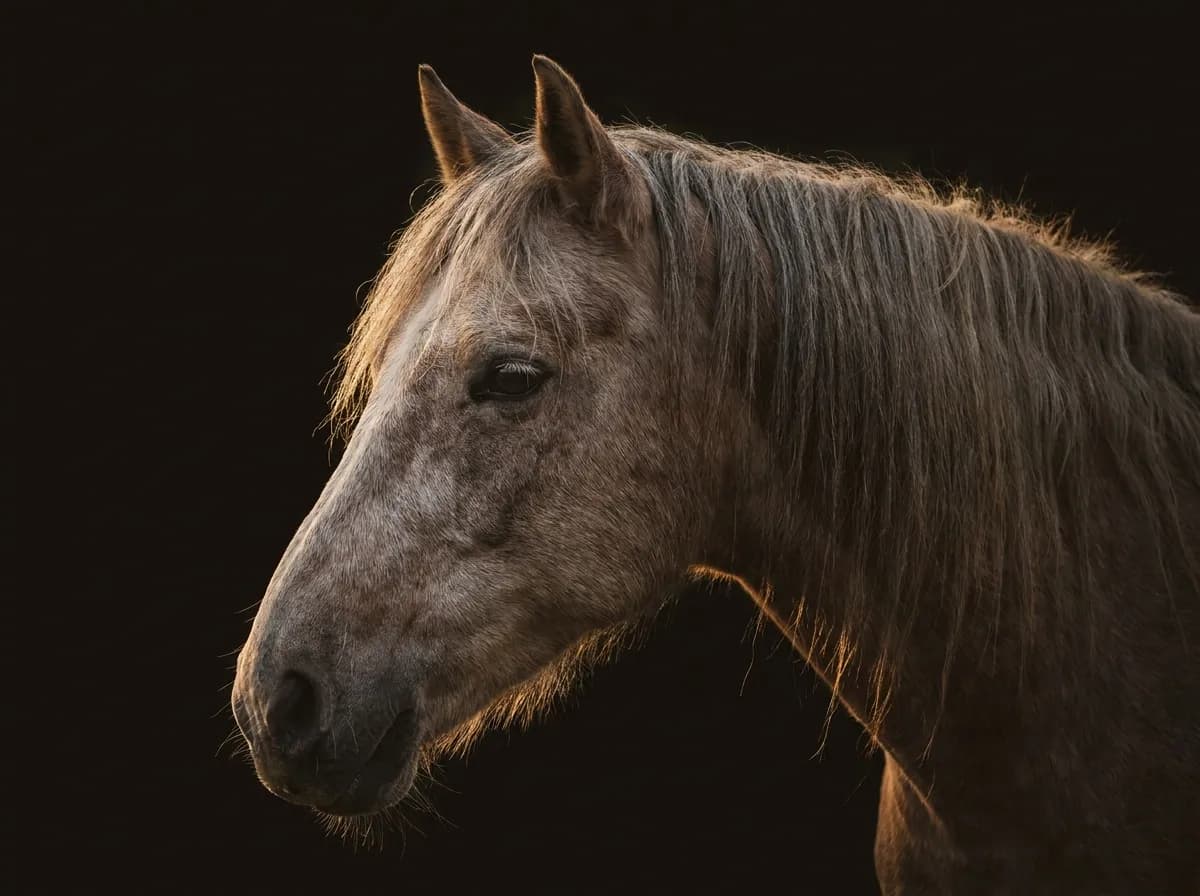
With age, the horse's immune system changes: defence reacts more slowly and less specifically, while a low-grade chronic inflammatory tendency rises (inflammaging). As a result, older horses can be more susceptible to infections, heal more slowly and respond more weakly to vaccinations. A concurrent PPID disease can further intensify these effects.
Veterinary care required
This condition belongs in veterinary diagnosis and treatment. Compounds are at most supportive.
Priority · vet & management
The central lever is veterinarily guided management: an age-adapted, individually tailored vaccination and deworming concept, regular health checks (incl. ACTH if PPID is suspected) and treatment of underlying diseases. A needs-based supply with good feed utilisation is the basis — complementary feeds are only adjunctive and do not 'boost' the immune system in the sense of a healing promise.
Possible causes
- · physiological ageing of the immune system (immunosenescence)
- · a chronic low-grade tendency to inflammation in old age (inflammaging)
- · concurrent PPID (Cushing), which additionally influences the immune status
- · deficiency states due to poor feed utilisation or emaciation
Supportive compounds · supplementary feed, not medication
Vitamin E
AMGFEI freeantioxidant; discussed in the context of immune function in older horses
Compound profile →Vitamin C
AMGFEI freeantioxidant; discussed in older horses with reduced own synthesis
Compound profile →Linseed
AMGFEI freeomega-3 (ALA) for the inflammatory balance
Compound profile →Rosehip
AMGFEI freepolyphenols/vitamin C, traditionally to support defence
Compound profile →Prevention
A vaccination and prevention programme agreed with the vet, good housing hygiene (dust, stress) and the early detection of PPID help to cushion the consequences of declining defences.
Equiterna's take
Equiterna deliberately classifies immunosenescence as a concept, not as an immunodeficiency diagnosis: the ageing immune system cannot be polished up, but it can be sensibly accompanied through vet-accompanied vaccination and health management.
Usage note
This content is for information and education. It does not replace veterinary diagnosis or treatment. If your horse shows signs of illness, consult a veterinarian.
Equiterna is an intermediary platform for equine knowledge, marketplace and tools — not a veterinary-medicines dealer, veterinary practice or pharmacy. Compound information is study-attributed and free of healing claims. Legal framework: Regulation (EU) 2019/6 / TAMG (DE/AT), Feed Regulation (EC) 767/2009, FEI Prohibited Substances List, HWG.