

Overtraining Syndrome (chronic performance decline)
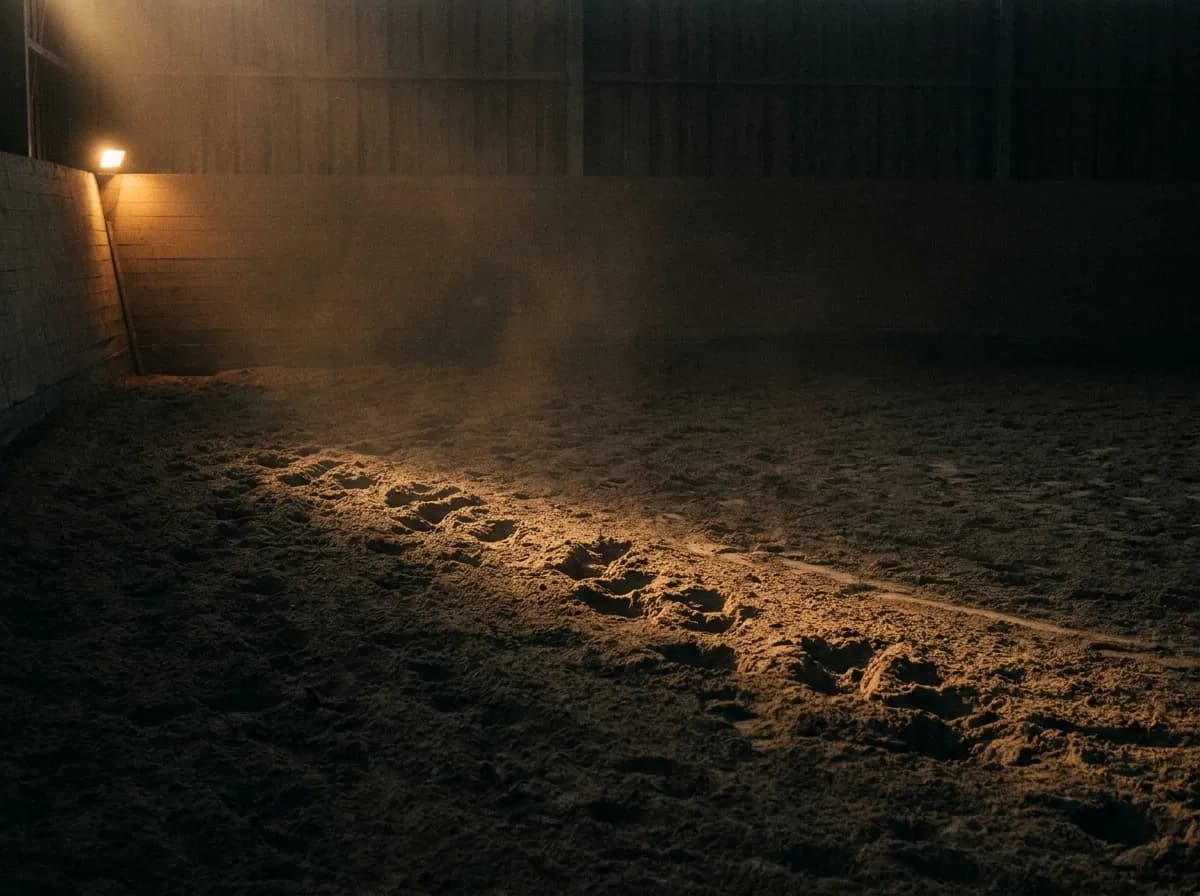
A persistent mismatch of load and recovery that leads to declining performance, poor regeneration and altered behaviour. It is a diagnosis of exclusion — other diseases (pain, stomach, airways, metabolism) must be ruled out first.
Veterinary care required
This condition belongs in veterinary diagnosis and treatment. Compounds are at most supportive.
Priority · vet & management
First rule out physical causes veterinarily (lameness, stomach, airways, blood count). The core is training and recovery management: reduce load, plan rest days and variation — compounds are only adjunctive.
Possible causes
- · too high a training density with too little recovery
- · missing rest days and variation
- · insufficient energy/nutrient supply
- · accompanying stress (housing, transport, competition)
Supportive compounds · supplementary feed, not medication
Vitamin E
AMGFEI freeantioxidant for training-related oxidative stress
Compound profile →Magnesium
AMGFEI freeneuromuscular function; discussed with subclinical deficiency
Compound profile →Linseed
AMGFEI freeomega-3 for the inflammatory balance, energy source
Compound profile →Gamma-oryzanol
AMGFEI freediscussed in the muscle/recovery context (limited evidence) — check FEI status before competition
Compound profile →Prevention
Periodise the training plan, schedule fixed rest days and load variation and regularly observe signs of recovery (appetite, recovery, motivation).
Equiterna's take
Equiterna understands performance as an interplay of training AND recovery. Before speaking of overtraining, pain, stomach, airways and metabolism must be ruled out by the vet.
Usage note
This content is for information and education. It does not replace veterinary diagnosis or treatment. If your horse shows signs of illness, consult a veterinarian.
Equiterna is an intermediary platform for equine knowledge, marketplace and tools — not a veterinary-medicines dealer, veterinary practice or pharmacy. Compound information is study-attributed and free of healing claims. Legal framework: Regulation (EU) 2019/6 / TAMG (DE/AT), Feed Regulation (EC) 767/2009, FEI Prohibited Substances List, HWG.