

Gastric Ulcers (EGUS)
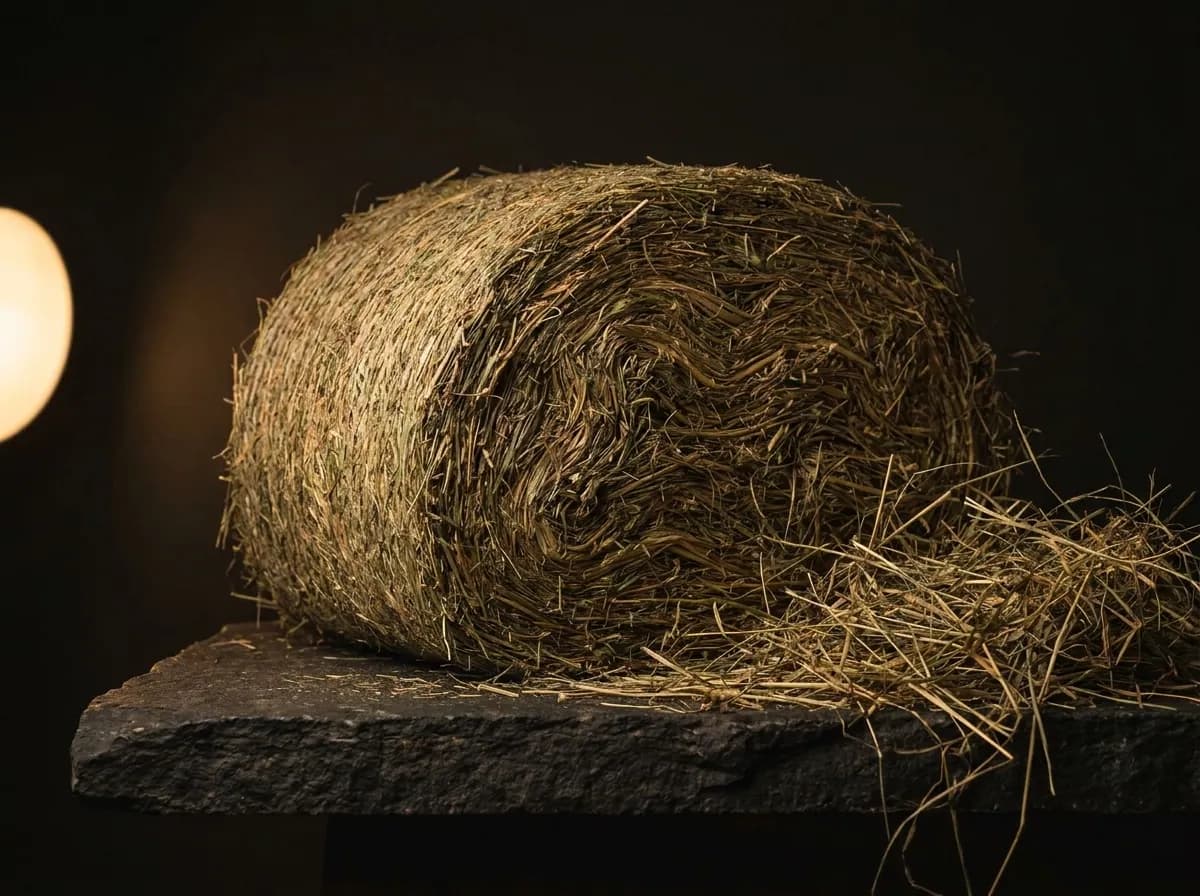
Damage to the stomach lining from acid load, feeding gaps, stress and starch-rich rations. Very common in sport horses.
Veterinary care required
This condition belongs in veterinary diagnosis and treatment. Compounds are at most supportive.
Priority · vet & management
Diagnosis by gastroscopy and treatment (e.g. omeprazole — a medicine) are veterinary; feeding management is decisive (roughage, no long feeding gaps).
Possible causes
- · long feeding gaps and too little roughage
- · starch/sugar-rich concentrate rations
- · stress (training, transport, change of housing)
- · intensive workload in sport
- · little exercise/restricted pasture access
Supportive compounds · supplementary feed, not medication
Prevention
Continuous roughage supply without long feeding gaps, reduced concentrate amounts and low-stress housing lower the ulcer risk.
Equiterna's take
Equiterna places feeding and stress management ahead of the compounds; diagnosis by gastroscopy and acid-suppressing therapy remain veterinary.
Usage note
This content is for information and education. It does not replace veterinary diagnosis or treatment. If your horse shows signs of illness, consult a veterinarian.
Equiterna is an intermediary platform for equine knowledge, marketplace and tools — not a veterinary-medicines dealer, veterinary practice or pharmacy. Compound information is study-attributed and free of healing claims. Legal framework: Regulation (EU) 2019/6 / TAMG (DE/AT), Feed Regulation (EC) 767/2009, FEI Prohibited Substances List, HWG.