

Colic Risk (Prevention)
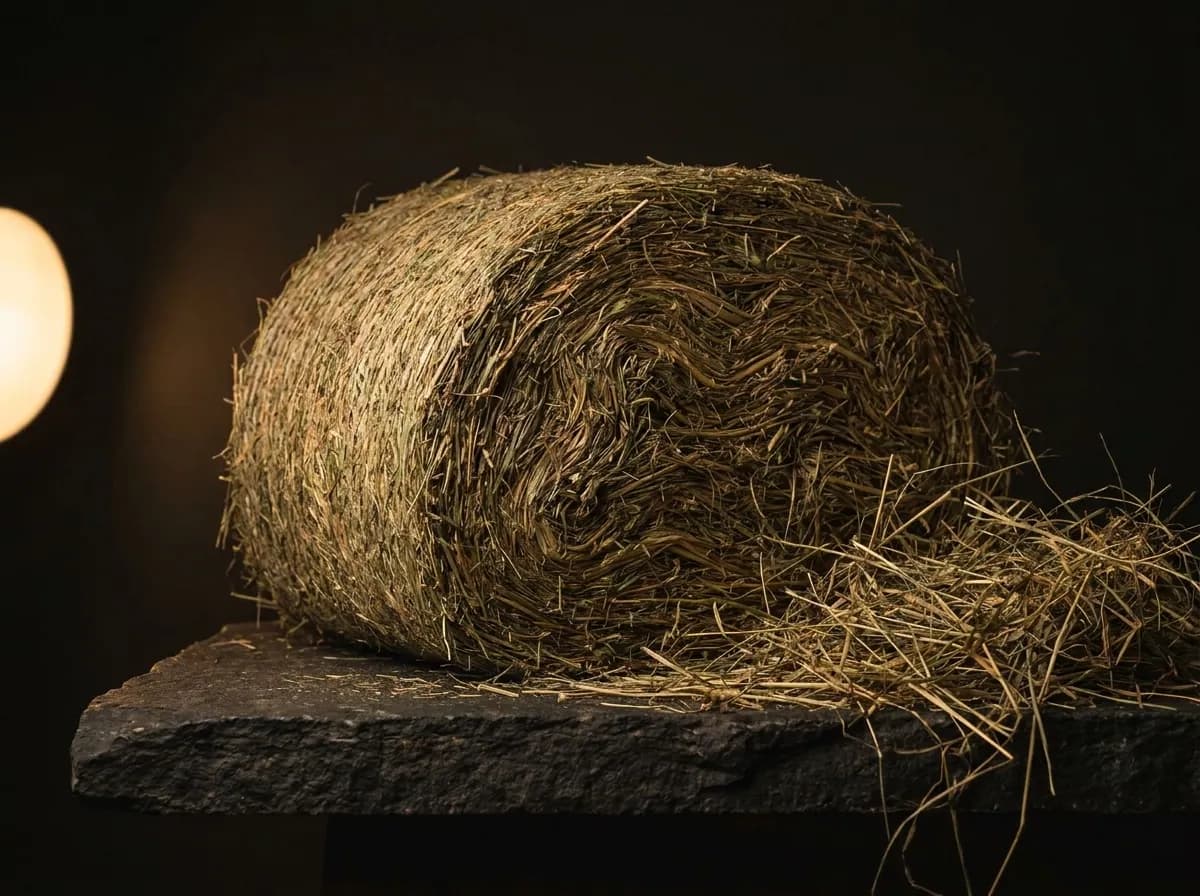
Colic is an emergency with many causes — a substantial part of the risk factors lies in feeding and husbandry management and is controllable.
Priority · vet & management
Acute colic is a veterinary emergency. Prevention: introduce ration changes over 7–10 days, roughage ad libitum, water (also in winter), exercise, regular dental/deworming checks.
Possible causes
- · abrupt feed/ration changes
- · low water intake (especially in winter)
- · lack of exercise/long box-rest periods
- · starch-rich rations and little roughage
- · insufficient dental/deworming control
Supportive compounds · supplementary feed, not medication
Prevention
Introducing ration changes over 7-10 days, roughage ad libitum, water at all times (also in winter), sufficient exercise and regular dental and deworming checks lower the colic risk.
Equiterna's take
Equiterna understands colic prevention as a feeding and husbandry topic, but emphasises unmistakably: every acute colic is a veterinary emergency.
Usage note
This content is for information and education. It does not replace veterinary diagnosis or treatment. If your horse shows signs of illness, consult a veterinarian.
Equiterna is an intermediary platform for equine knowledge, marketplace and tools — not a veterinary-medicines dealer, veterinary practice or pharmacy. Compound information is study-attributed and free of healing claims. Legal framework: Regulation (EU) 2019/6 / TAMG (DE/AT), Feed Regulation (EC) 767/2009, FEI Prohibited Substances List, HWG.