Moon blindness — why equine recurrent uveitis returns in flares
Equine recurrent uveitis is an immune-mediated inflammation of the inner eye coat that returns in flares — and in Central Europe the most common cause of blindness in the horse. Why every acute flare is an ophthalmic emergency and leopard-spotted horses like the Knabstrupper carry an increased risk.
Equiterna Redaktion
Veterinarian · Ophthalmology
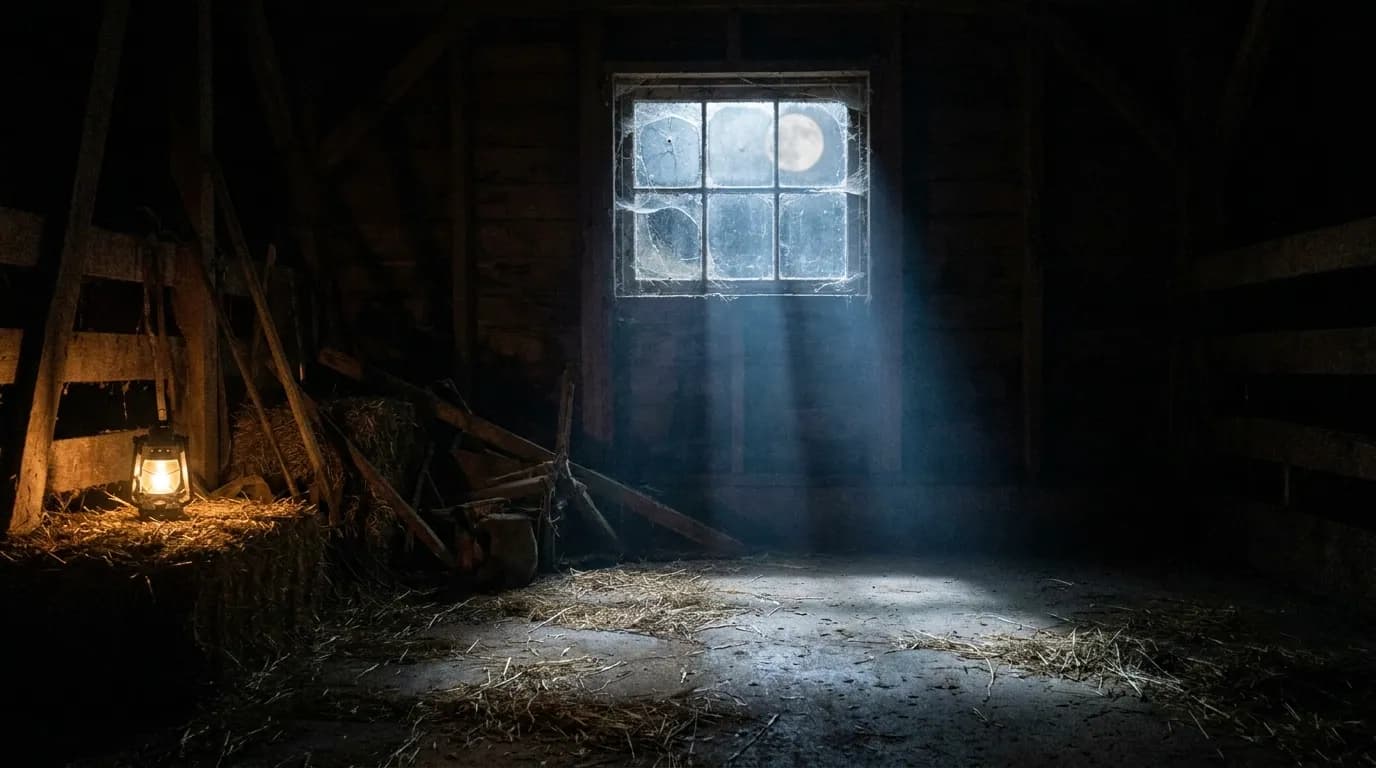
The old name moon blindness stems from the time when the recurring inflammatory flares were associated with the phases of the moon. Today the disease picture knows its more fitting name: equine recurrent uveitis, ERU for short. Uveitis means inflammation of the uvea, the vessel-rich middle eye coat consisting of iris, ciliary body and choroid. The decisive word lies in the addition recurrent — the inflammation comes back in flares, and exactly this recurrence does the actual damage over the years.
An immune-mediated process
ERU is regarded as an immune-mediated disease: the body's own defence system turns against structures inside the eye and maintains an inflammation there that flares up anew after apparent calming. Among other things infections are discussed as triggers of the first flare, including Leptospira; in the further course, however, the process increasingly runs as an independent, misguided immune reaction that can decouple from the original trigger. Every flare leaves traces — adhesions, opacities, scars —, and with every recurrence the damage to the fine inner structures of the eye accumulates.
Leading signs — the painful eye
An acute flare shows itself at the strongly irritated, painful eye. Typical are pronounced photophobia, increased tearing, a squinted lid and a clouded, often dull or bluish-looking eye. The pupil is often narrowed, the lid swollen, the horse turns away from the light. These signs are not only an expression of pain but a hint of an active inflammation inside the eye that quickly needs specialist help. Between the flares the eye can appear deceptively calm — the disease smoulders on in the background, and in the long term opacities of the lens, adhesions of the iris or an altered pupil shape testify to the past process.
“A squinting, tearing horse eye is no case for waiting. With ERU the time until specialist treatment co-decides how much sight the eye keeps over the years.”
Why leopard-spotted horses are particularly affected
Striking is a clustering in horses of the leopard complex — the genetic basis of leopard spotting, as one knows it from the Appaloosa and the Knabstrupper. Studies show for these horses a markedly increased risk of developing an ERU, and in particular the insidious, creeping form of course, which goes along with fewer outward signs of pain and is for exactly that reason noticed late. Investigations on the Knabstrupper found in a considerable proportion of the animals indications of such a uveitis and a higher risk in carriers of two copies of the leopard complex gene. For owners of leopard-spotted horses this means: regular, attentive eye control is particularly important here, because the insidious form easily escapes observation.
Emergency note: an acutely painful, light-shy, tearing or clouded eye is an ophthalmic emergency and belongs to be clarified without delay by a veterinarian — if possible an eye specialist. The treating veterinarian alone decides on diagnosis and treatment. This article explains the disease picture, the flare character and the breed risk; it makes no diagnosis, gives no therapy instruction and no promise of cure.
Sources
Usage note
This content is for information and education. It does not replace veterinary diagnosis or treatment. If your horse shows signs of illness, consult a veterinarian.
Keep reading
Summer eczema — why the skin is rarely where it starts
The reaction to the midge bite is the visible part. What lies beneath it decides the course.
HealthGrowing old without looking old — what really counts in the senior
Many complaints that pass for age-related are not. A look at what can be influenced.
HealthWhen the coat whispers — what the coat change reveals about the metabolism
Twice a year the horse rebuilds its entire coat. What happens in the metabolism while it does — and which signs can be read.