

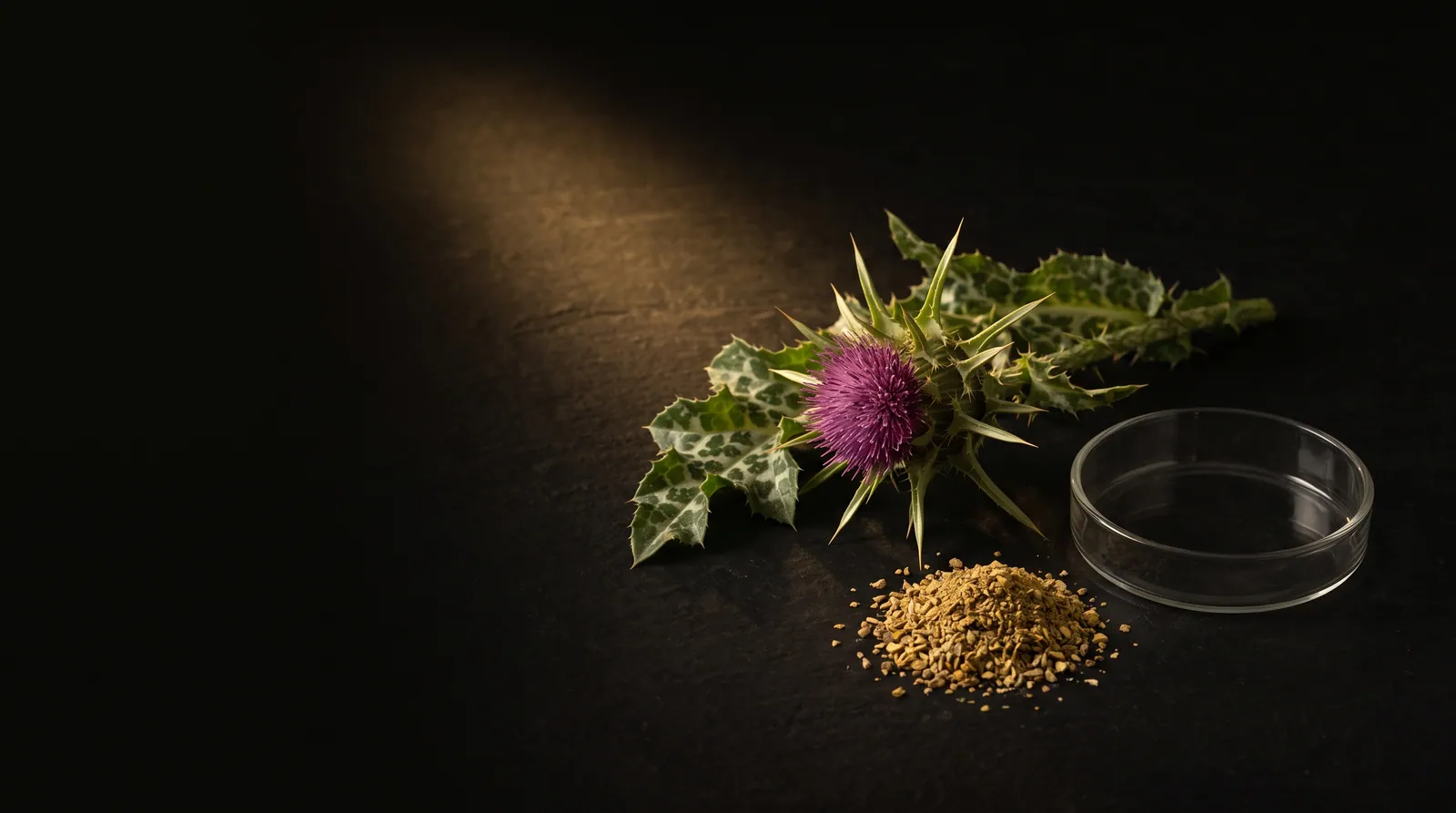
Devil's claw
Harpagophytum procumbens
Mechanism
The secondary root contains iridoid glycosides, above all harpagoside. Because of this pharmacological direction the FEI has listed the substance harpagoside as Controlled Medication (class B) since 1 January 2016 — a substance with therapeutic value that can affect performance and therefore requires a withdrawal period before competition, while not being prohibited outside competition. What is listed is the constituent, not the plant: the harpagoside content of a given product is what matters, and it varies considerably with standardisation. No FEI detection time has been published for harpagoside; the FEI points out that a detection time is not a withdrawal time in any case, and that the withdrawal period must be set by the treating veterinarian.
Cautions
- · FEI: harpagoside is Controlled Medication (class B) — a withdrawal period applies before competition; it is not prohibited outside competition
- · No published FEI detection time for harpagoside — the withdrawal period is set by the treating veterinarian
- · Harpagoside content varies between products; no blanket withdrawal figure can be derived from it
- · National rulebooks (e.g. LPO/ADMR, APO) may differ — check separately before the start
- · Bitter compounds stimulate gastric secretion; use sparingly in gastric-sensitive horses
Sources
Products containing Devil's claw
Knowledge connections
Usage note
This content is for information and education. It does not replace veterinary diagnosis or treatment. If your horse shows signs of illness, consult a veterinarian.
“Nothing forced can ever be beautiful.”
Equiterna is an intermediary platform for equine knowledge, marketplace and tools — not a veterinary-medicines dealer, veterinary practice or pharmacy. Compound information is study-attributed and free of healing claims. Legal framework: Regulation (EU) 2019/6 / TAMG (DE/AT), Feed Regulation (EC) 767/2009, FEI Prohibited Substances List, HWG.