

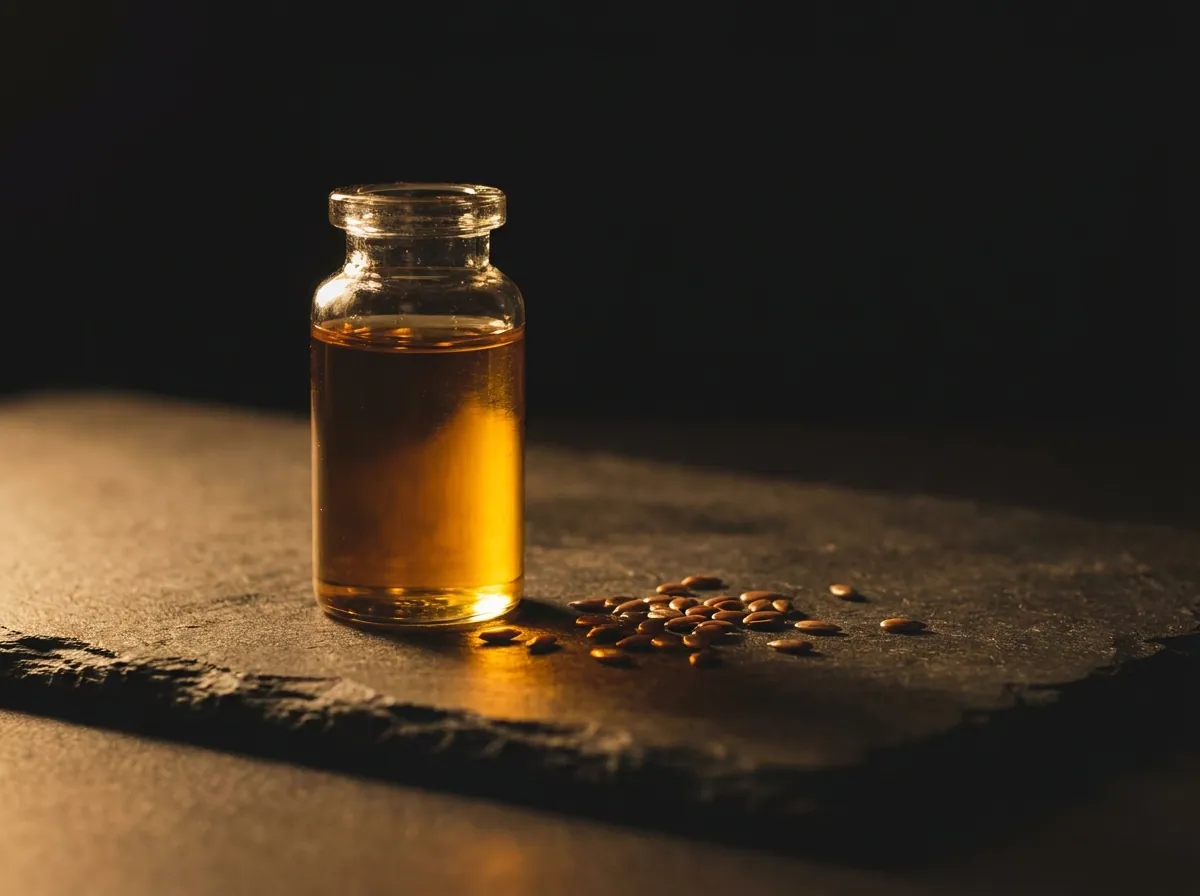
Salmon oil
Fish oil · DHA/EPA
Mechanism
Lachs-/Fischöl liefert die langkettigen Omega-3-Fettsäuren EPA und DHA. Diskutiert werden Effekte auf die entzündliche Balance, Haut/Fell und Gelenkkomfort. Akzeptanz und Nachhaltigkeit (marine Herkunft, Schadstoff-/Oxidationskontrolle) sind zu beachten; viele Betriebe bevorzugen Algenöl.
Cautions
- · Species-alien feed: the horse is a strict herbivore. Fish oil is an approved feed material but is not part of the natural diet of the species. Algae oil delivers the same EPA and DHA — the same marine origin of the fatty acids, without an animal product.
- · Acceptance varies
- · Watch oxidative stability and contaminant control
Sources
Usage note
This content is for information and education. It does not replace veterinary diagnosis or treatment. If your horse shows signs of illness, consult a veterinarian.
“Nothing forced can ever be beautiful.”
Equiterna is an intermediary platform for equine knowledge, marketplace and tools — not a veterinary-medicines dealer, veterinary practice or pharmacy. Compound information is study-attributed and free of healing claims. Legal framework: Regulation (EU) 2019/6 / TAMG (DE/AT), Feed Regulation (EC) 767/2009, FEI Prohibited Substances List, HWG.