Wolf Teeth
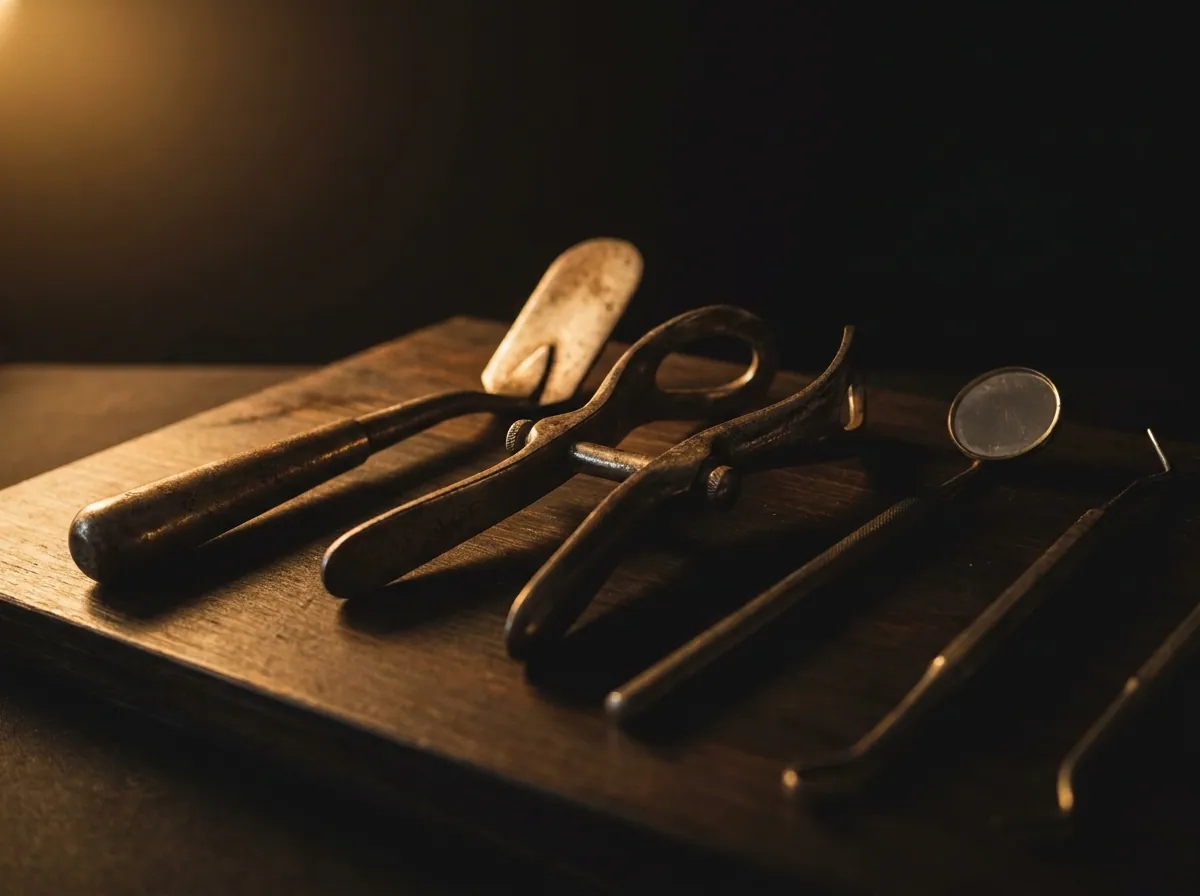
Wolf teeth are small, vestigial teeth sitting directly in front of the first cheek tooth — usually in the upper jaw and not present in every horse. They are harmless in themselves but can cause pressure and irritation where the bit lies, which is why they are often removed before backing.
Veterinary care required
This condition belongs in veterinary diagnosis and treatment. Compounds are at most supportive.
Priority · vet & management
Whether a wolf tooth interferes and should be removed is judged by the vet/equine dentist; extraction is usually done under sedation and local anaesthesia, often during the dental check before backing. Complementary feeds are irrelevant here.
Possible causes
- · predisposition-related occurrence (remnants of an evolutionarily reduced tooth)
- · location in the area of bit action
- · displaced (blind) wolf teeth under the mucosa
- · combination with sharp edges on the front cheek tooth
Supportive compounds · supplementary feed, not medication
Prevention
A check of the oral cavity before backing clarifies whether wolf teeth are present and lie in the area of the bit. There is no true prevention of their occurrence — decisive is timely detection.
Equiterna's take
Equiterna places wolf teeth as a typical topic around backing: problems at the bit often have a mouth-anatomical cause. The assessment is part of the regular dental check by vet or dentist.
Usage note
This content is for information and education. It does not replace veterinary diagnosis or treatment. If your horse shows signs of illness, consult a veterinarian.
Equiterna is an intermediary platform for equine knowledge, marketplace and tools — not a veterinary-medicines dealer, veterinary practice or pharmacy. Compound information is study-attributed and free of healing claims. Legal framework: Regulation (EU) 2019/6 / TAMG (DE/AT), Feed Regulation (EC) 767/2009, FEI Prohibited Substances List, HWG.