

Rain Rot (Dermatophilosis)
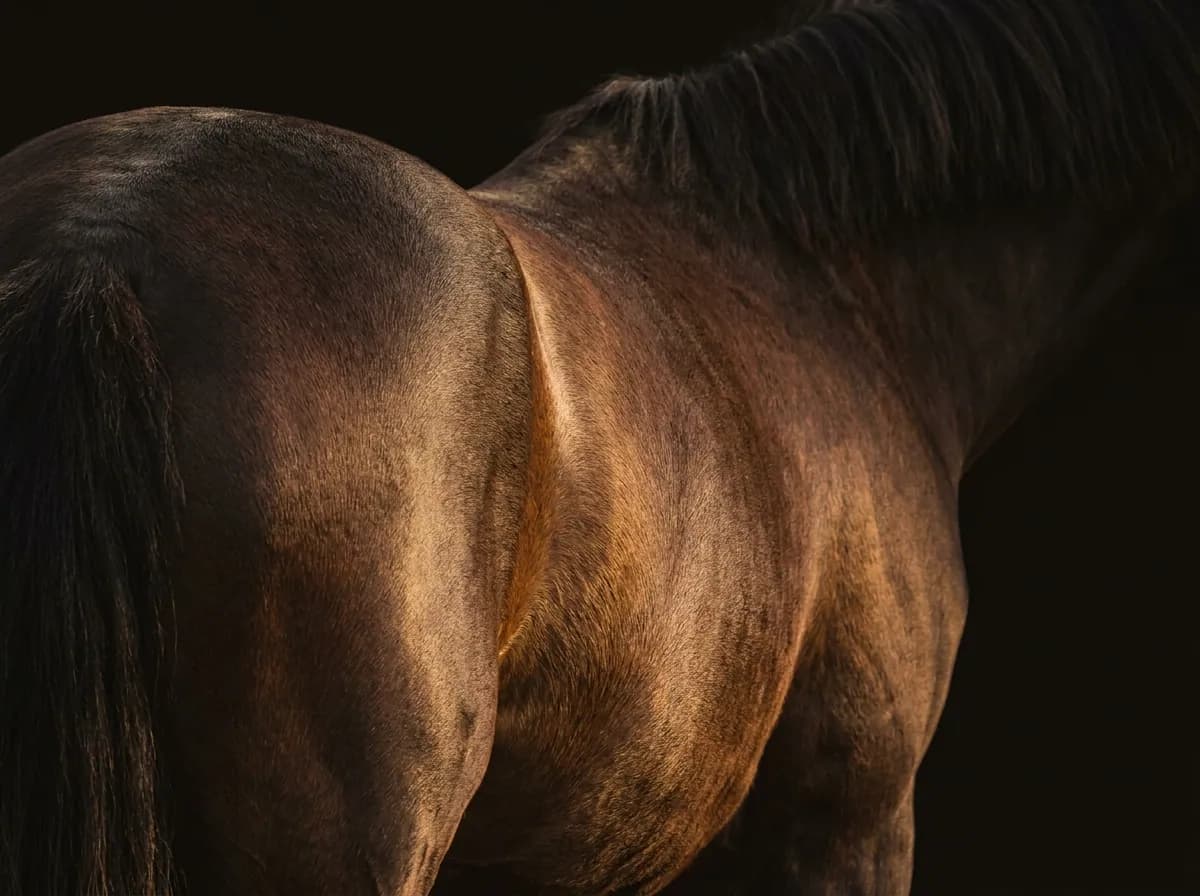
Bacterial skin infection caused by Dermatophilus congolensis that flares up with persistent wetness. Typical are crusty, paintbrush-like matted hair tufts along the topline; bald patches appear after the crusts come off.
Priority · vet & management
The key lever is keeping dry and gently removing crusts; for extensive, purulent or non-healing involvement and for differentiation, seek veterinary clarification.
Possible causes
- · Dermatophilus congolensis (actinomycete-like bacterium)
- · persistent wetness/high humidity
- · skin maceration and micro-injuries
- · weakened or soaked horses more susceptible
Supportive compounds · supplementary feed, not medication
Zinc
AMGFEI freecofactor for skin/keratin metabolism and wound healing
Compound profile →Linseed
AMGFEI freeomega-3 for the skin barrier
Compound profile →Biotin
AMGFEI freeB-vitamin for skin and horn metabolism
Compound profile →Spirulina
AMGFEI freediscussed as immune-modulating (adjunctive)
Compound profile →Prevention
Dry shelters, drying care and avoiding shared rugs/grooming kit in wet weather prevent flare-ups.
Equiterna's take
Equiterna links rain rot to the skin barrier and immune status — but management remains primarily a matter of dryness and hygiene.
Usage note
This content is for information and education. It does not replace veterinary diagnosis or treatment. If your horse shows signs of illness, consult a veterinarian.
Equiterna is an intermediary platform for equine knowledge, marketplace and tools — not a veterinary-medicines dealer, veterinary practice or pharmacy. Compound information is study-attributed and free of healing claims. Legal framework: Regulation (EU) 2019/6 / TAMG (DE/AT), Feed Regulation (EC) 767/2009, FEI Prohibited Substances List, HWG.