WFFS and the genetic test — what a carrier status really means
Warmblood Fragile Foal Syndrome is inherited recessively. Why carriers do not have to be removed from breeding and mating control is the actual lever.
Equiterna Redaktion
Horse breeding & population genetics
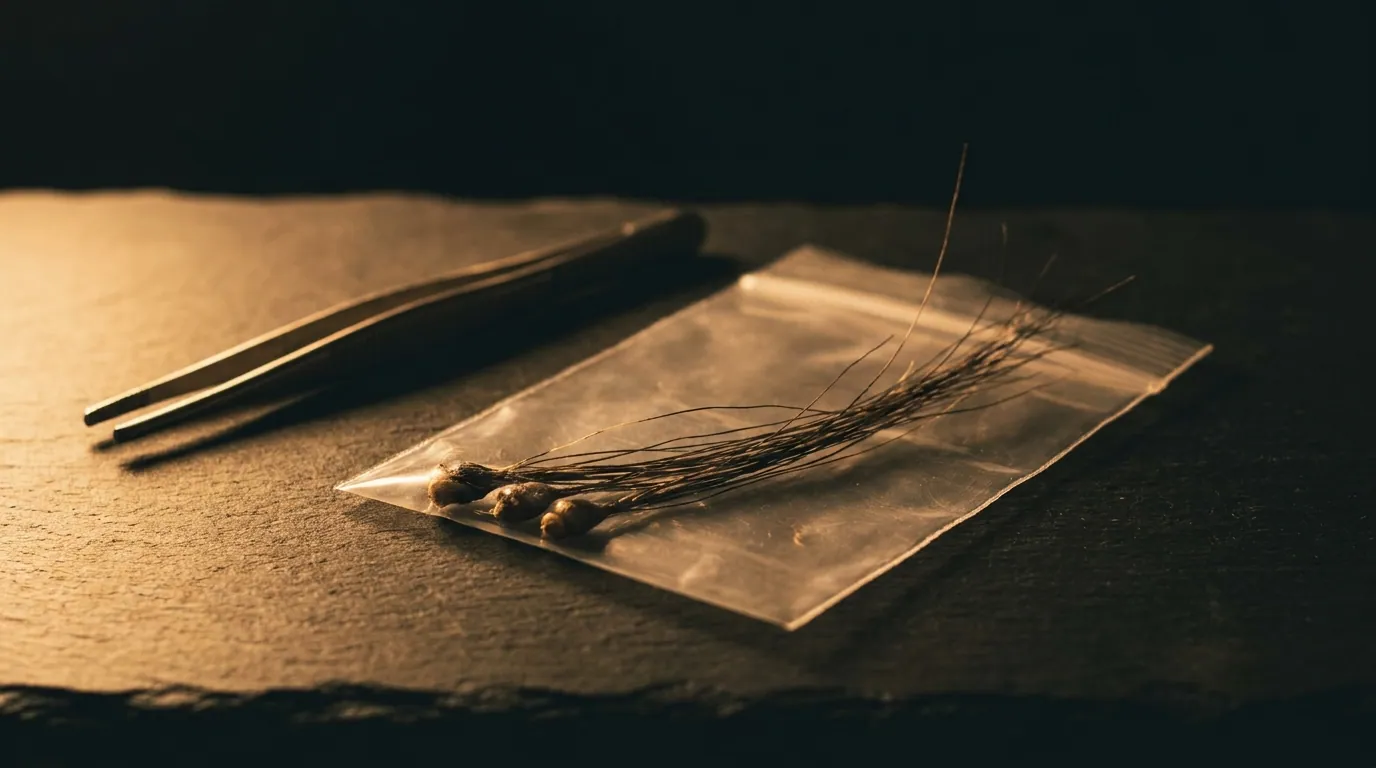
Warmblood Fragile Foal Syndrome (WFFS) is a hereditary connective tissue disorder. The cause is a single point mutation in the PLOD1 gene (c.2032G>A), which codes for an enzyme of collagen maturation. If functional collagen is missing, the connective tissue is extremely fragile — affected foals are not viable.
Recessive means: two copies needed
Decisive is the mode of inheritance. WFFS is inherited autosomal-recessively. A horse with only one copy of the variant is a carrier (heterozygous) — it is clinically completely healthy and shows no symptoms at all. Only when a foal inherits one affected copy from each parent (homozygous) does the clinical picture appear.
From this Mendelian statistic follows the central insight: only the mating of two carriers can produce an affected foal. If a carrier is mated with a genetically free partner, not a single foal is affected — half of the offspring are statistically again healthy carriers.
Why carriers do not have to be removed from breeding
The carrier frequency lies in several warmblood populations in the double-digit percentage range; in Hanoverians and Danish Warmblood, values of around 10 to 17 percent have been reported, and Oldenburgers, KWPN and Trakehners also carry the variant. If one were to exclude all carriers across the board, valuable genetic diversity would be lost and the selection pressure on a few lines would rise — in population-genetic terms an own goal.
“A carrier is not a sick horse. It is a healthy animal whose mating one must know and steer.”
The proper way is therefore not exclusion, but mating control: both parents are tested for the PLOD1 status via a validated genetic test, and the combination carrier x carrier is avoided. Thus the clinical picture reliably stays out of the herd without narrowing the genetic base.
Practice: before mating, the genetic test of both parents via a recognised laboratory is worthwhile. The breeding advice of the respective associations and genetic specialist bodies classify the status individually — this article does not replace a diagnosis on the individual animal.
Sources
Usage note
This content is for information and education. It does not replace veterinary diagnosis or treatment. If your horse shows signs of illness, consult a veterinarian.
Keep reading
Summer eczema — why the skin is rarely where it starts
The reaction to the midge bite is the visible part. What lies beneath it decides the course.
HealthGrowing old without looking old — what really counts in the senior
Many complaints that pass for age-related are not. A look at what can be influenced.
HealthWhen the coat whispers — what the coat change reveals about the metabolism
Twice a year the horse rebuilds its entire coat. What happens in the metabolism while it does — and which signs can be read.