
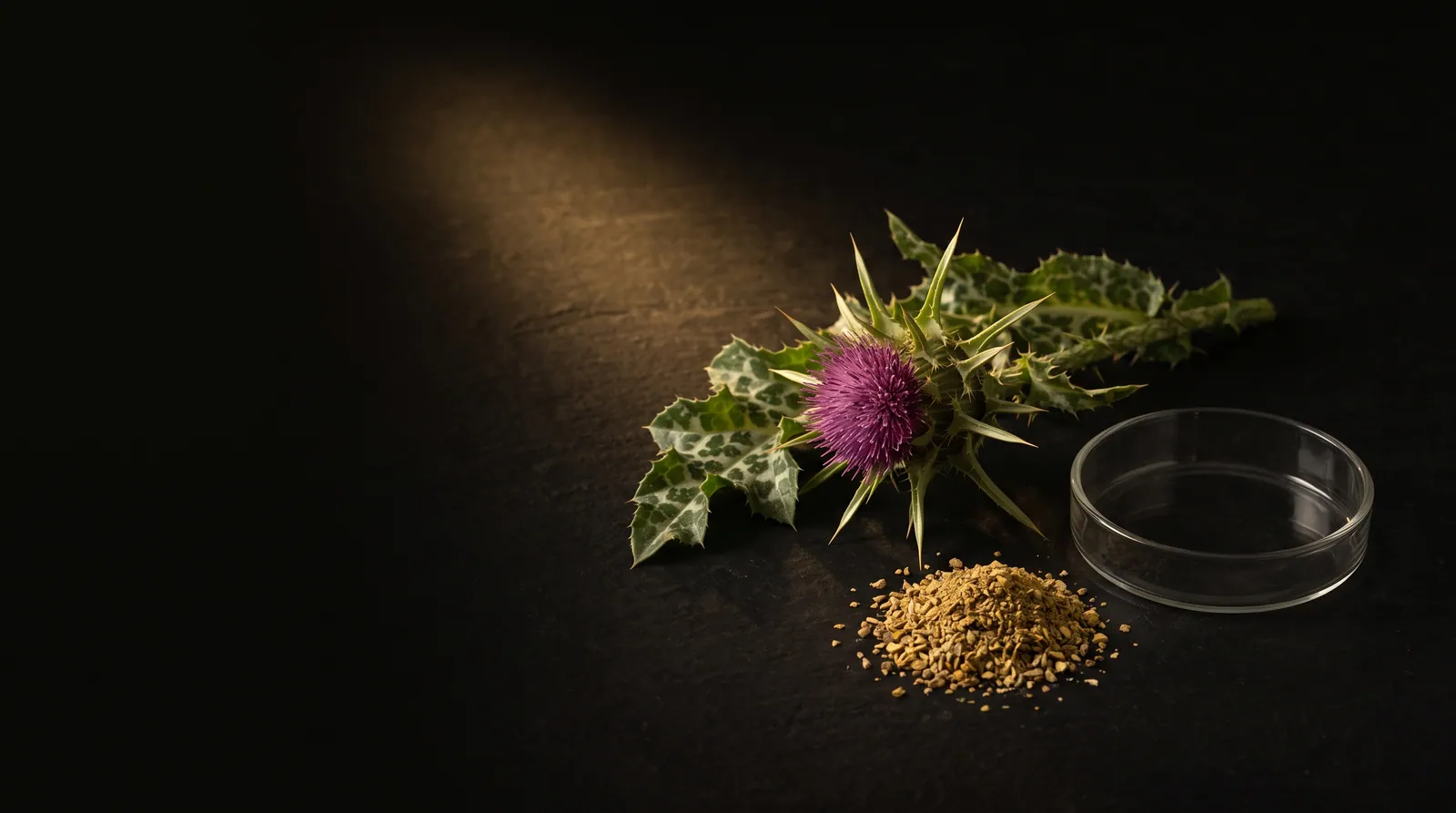
Wormwood
Artemisia absinthium
Mechanism
Wormwood herb (Artemisia absinthium) contains strongly bitter sesquiterpene lactones (including absinthin) as well as an essential oil with thujone. Via the bitter compounds, appetite and digestive secretion are traditionally stimulated; the EMA/HMPC lists wormwood as a traditional herbal remedy for temporary loss of appetite and mild gastrointestinal complaints, expressly only for short-term use. Safety-critical is the thujone: it modulates the GABA-controlled chloride channel and acts neurotoxically at higher doses (dose-dependently up to convulsions). The EMA limits thujone intake and recommends low-thujone chemotypes as well as a maximum application duration of around two weeks. Controlled equine studies are lacking.
Cautions
- · Contains thujone (neurotoxic at higher doses) — use only short-term and at low dose
- · Do NOT use during pregnancy and lactation
- · Prefer low-thujone chemotypes; limit duration of use to a few weeks
- · Not suitable for continuous administration
Sources
Usage note
This content is for information and education. It does not replace veterinary diagnosis or treatment. If your horse shows signs of illness, consult a veterinarian.
“Nothing forced can ever be beautiful.”
Equiterna is an intermediary platform for equine knowledge, marketplace and tools — not a veterinary-medicines dealer, veterinary practice or pharmacy. Compound information is study-attributed and free of healing claims. Legal framework: Regulation (EU) 2019/6 / TAMG (DE/AT), Feed Regulation (EC) 767/2009, FEI Prohibited Substances List, HWG.