

Wheatgrass
Triticum aestivum (leaf grass)
Mechanism
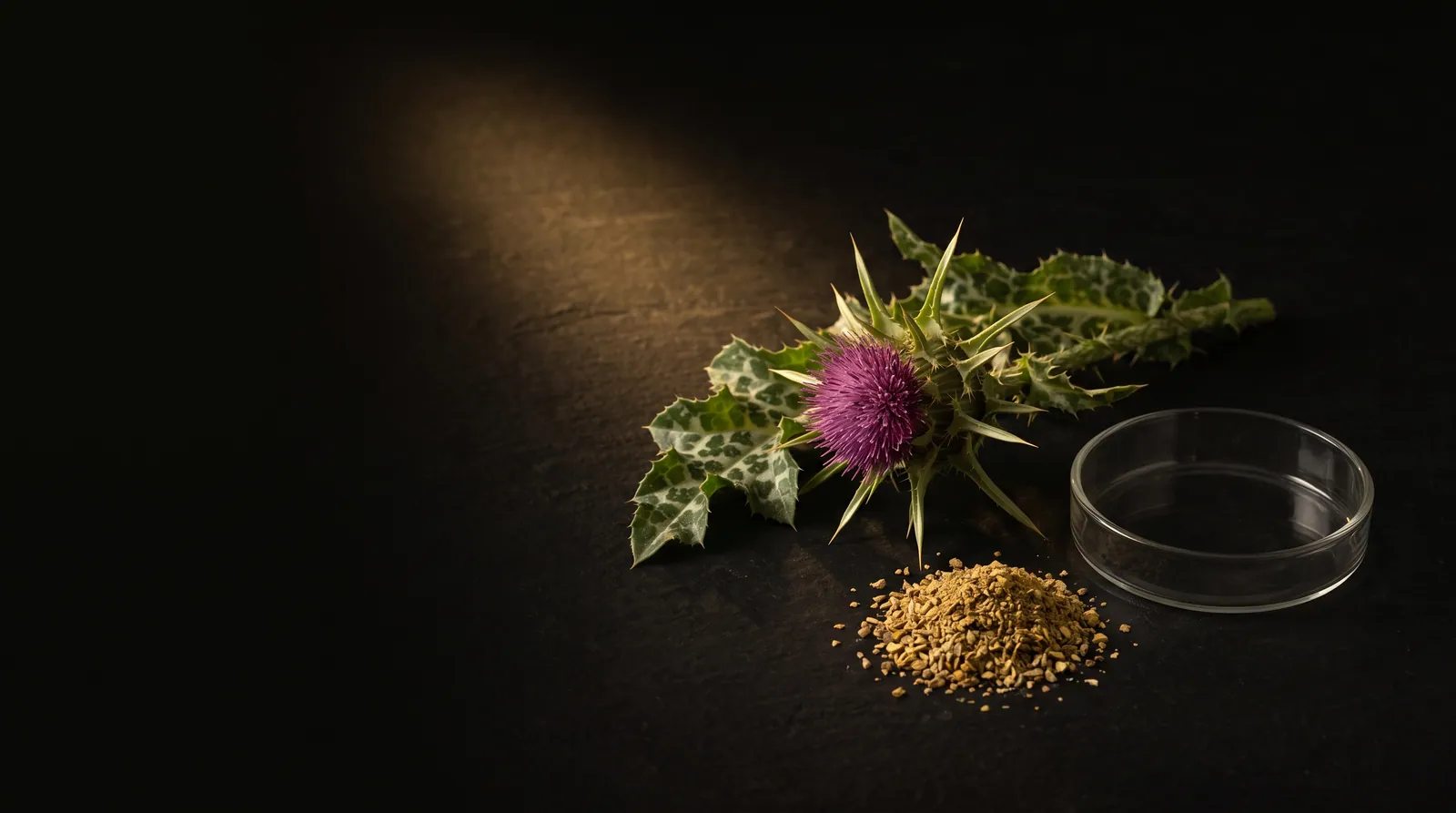
Wheatgrass refers to the young leaf grass of wheat, harvested before ear formation. It supplies chlorophyll, carotenoids, B vitamins as well as minerals and is traditionally used — analogous to barley grass — as a supplementary supplier of vital nutrients. Controlled equine studies are scarcely available; the declared contents depend heavily on harvest time and drying. Confusion with the starch-rich grain must be ruled out — only the green leaf is used.
Cautions
- · Nutrient contents vary depending on batch and processing
- · A supplement, not a replacement for a requirement-based roughage base ration
Sources
Frequently asked questions
Is Wheatgrass a feed or a veterinary medicine for horses?
Equiterna classes Wheatgrass as “Complementary feed”. Legal framework: Regulation (EU) 2019/6 / TAMG (DE/AT), Feed Regulation (EC) 767/2009.
Is Wheatgrass allowed at FEI competitions?
In the profile, Wheatgrass is listed with the FEI status “Not listed”. The current FEI list is authoritative, so please check its latest version.
Which dosage do the sources give for Wheatgrass?
Stated in the profile: approx. 15–30 g dried powder/animal/day (large horse), per manufacturer's instructions. This is information from the literature, not an instruction for an individual horse.
Which sources are there for Wheatgrass?
The profile cites: NRC 2007, GfE 2014, and EFSA FEEDAP.
Usage note
This content is for information and education. It does not replace veterinary diagnosis or treatment. If your horse shows signs of illness, consult a veterinarian.
“Nothing forced can ever be beautiful.”
Equiterna is an intermediary platform for equine knowledge, marketplace and tools — not a veterinary-medicines dealer, veterinary practice or pharmacy. Compound information is source-attributed (PubMed, specialist journals, NRC/GfE, EU regulations) and free of healing claims. Legal framework: Regulation (EU) 2019/6 / TAMG (DE/AT), Feed Regulation (EC) 767/2009, FEI Prohibited Substances List, HWG.