

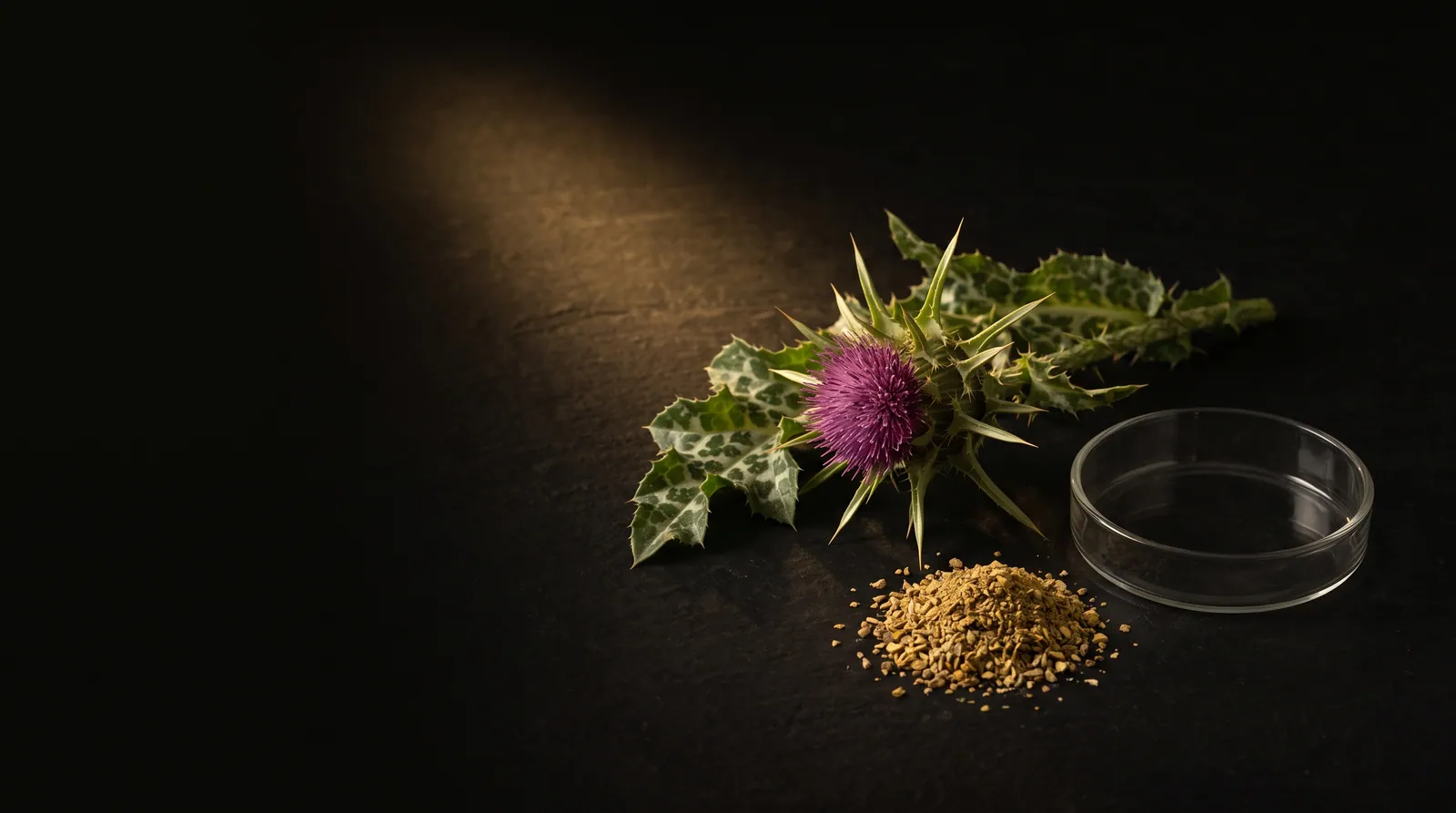
Hawthorn
Crataegus monogyna · Crataegus laevigata · Crataegus spp.
Mechanism
Leaves, flowers and fruit of hawthorn contain oligomeric procyanidines and flavonoids. In experimental and clinical studies (mostly human/rodent, standard extract WS 1442) cardiovascular effects have been described (incl. positively inotropic, antioxidant and vessel-modulating properties). Traditionally hawthorn is used to support the heart and circulation. Robust equine studies on clinical endpoints are lacking.
Cautions
- · Cardioactive constituents — only after veterinary advice with existing heart disease or cardiac medication
- · Possible interaction with cardioactive substances
- · FEI: not named on the list, but cardioactive effect — check withdrawal time precautionarily in sport horses
Sources
Products containing Hawthorn
Usage note
This content is for information and education. It does not replace veterinary diagnosis or treatment. If your horse shows signs of illness, consult a veterinarian.
“Nothing forced can ever be beautiful.”
Equiterna is an intermediary platform for equine knowledge, marketplace and tools — not a veterinary-medicines dealer, veterinary practice or pharmacy. Compound information is study-attributed and free of healing claims. Legal framework: Regulation (EU) 2019/6 / TAMG (DE/AT), Feed Regulation (EC) 767/2009, FEI Prohibited Substances List, HWG.