

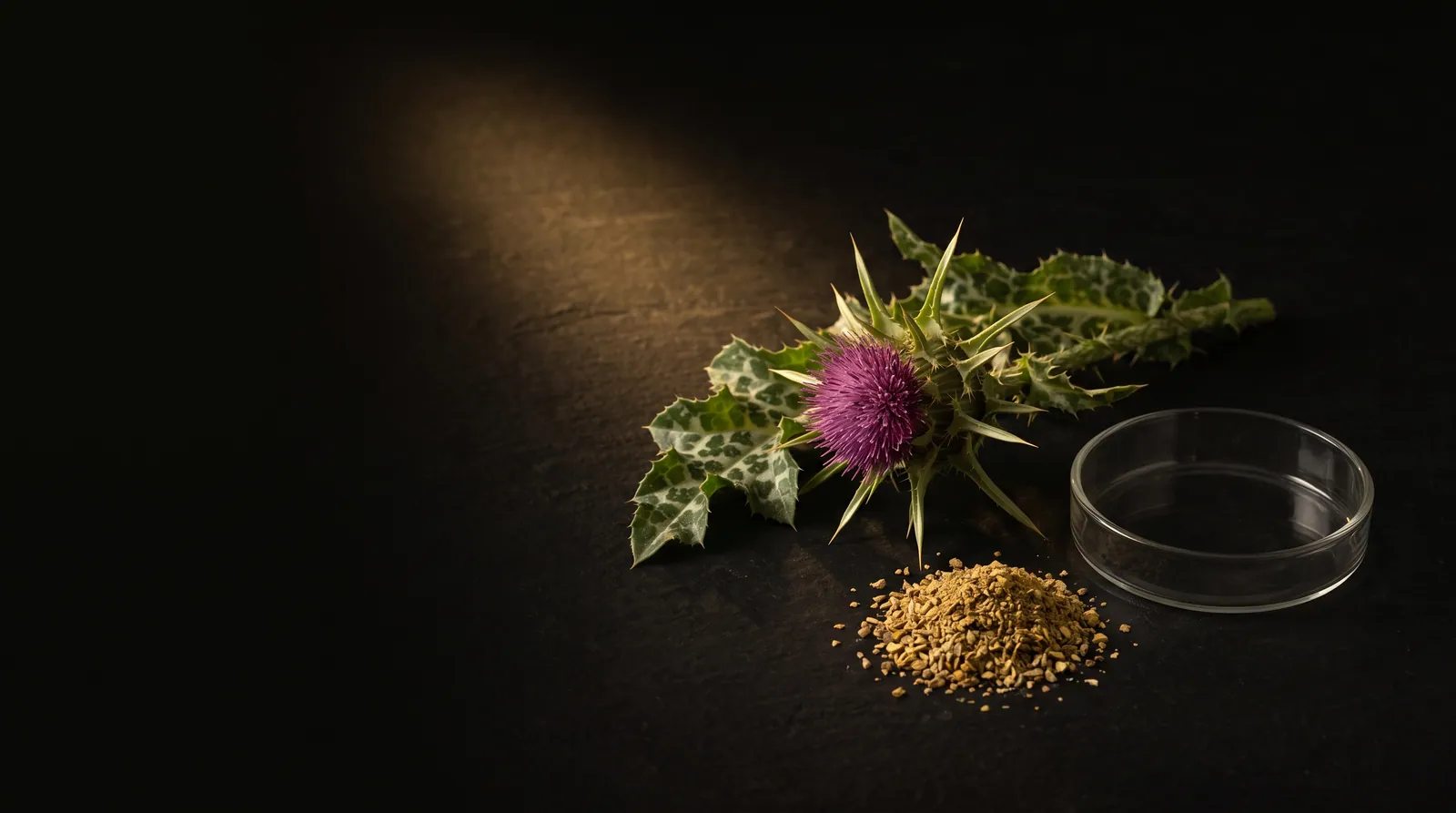
Grape seed
Vitis vinifera · OPC
Mechanism
Standardised grape-seed extract provides oligomeric proanthocyanidins (OPC), condensed flavan-3-ol compounds with pronounced in-vitro radical-scavenging/antioxidant activity. From this the traditional application to support the oxidative balance is derived; controlled equine studies on clinical endpoints are, however, lacking. Important for differentiation: what is meant is the standardised grape-seed extract — NOT grapes or raisins. Whole grapes/raisins are discussed separately in the horse as unclear with regard to safety (kidney concerns from other species) and are to be distinguished from the pure seed extract.
Cautions
- · Use only standardised grape-seed extract — no grapes or raisins
- · Do not clinically over-buffer the antioxidant status; sensible integration into the overall ration
- · With double supply of other antioxidants (vitamin E/selenium) keep maximum amounts in view
Sources
Frequently asked questions
Is Grape seed a feed or a veterinary medicine for horses?
Equiterna classes Grape seed as “Complementary feed”. Legal framework: Regulation (EU) 2019/6 / TAMG (DE/AT), Feed Regulation (EC) 767/2009.
Is Grape seed allowed at FEI competitions?
In the profile, Grape seed is listed with the FEI status “Not listed”. The current FEI list is authoritative, so please check its latest version.
Which dosage do the sources give for Grape seed?
Stated in the profile: product-specific (standardised OPC content); do not feed whole grapes/raisins. This is information from the literature, not an instruction for an individual horse.
Which sources are there for Grape seed?
The profile cites: PMID:10962138, PMID:28928504, and Futtermittel-VO 767/2009.
Usage note
This content is for information and education. It does not replace veterinary diagnosis or treatment. If your horse shows signs of illness, consult a veterinarian.
“Nothing forced can ever be beautiful.”
Equiterna is an intermediary platform for equine knowledge, marketplace and tools — not a veterinary-medicines dealer, veterinary practice or pharmacy. Compound information is source-attributed (PubMed, specialist journals, NRC/GfE, EU regulations) and free of healing claims. Legal framework: Regulation (EU) 2019/6 / TAMG (DE/AT), Feed Regulation (EC) 767/2009, FEI Prohibited Substances List, HWG.