

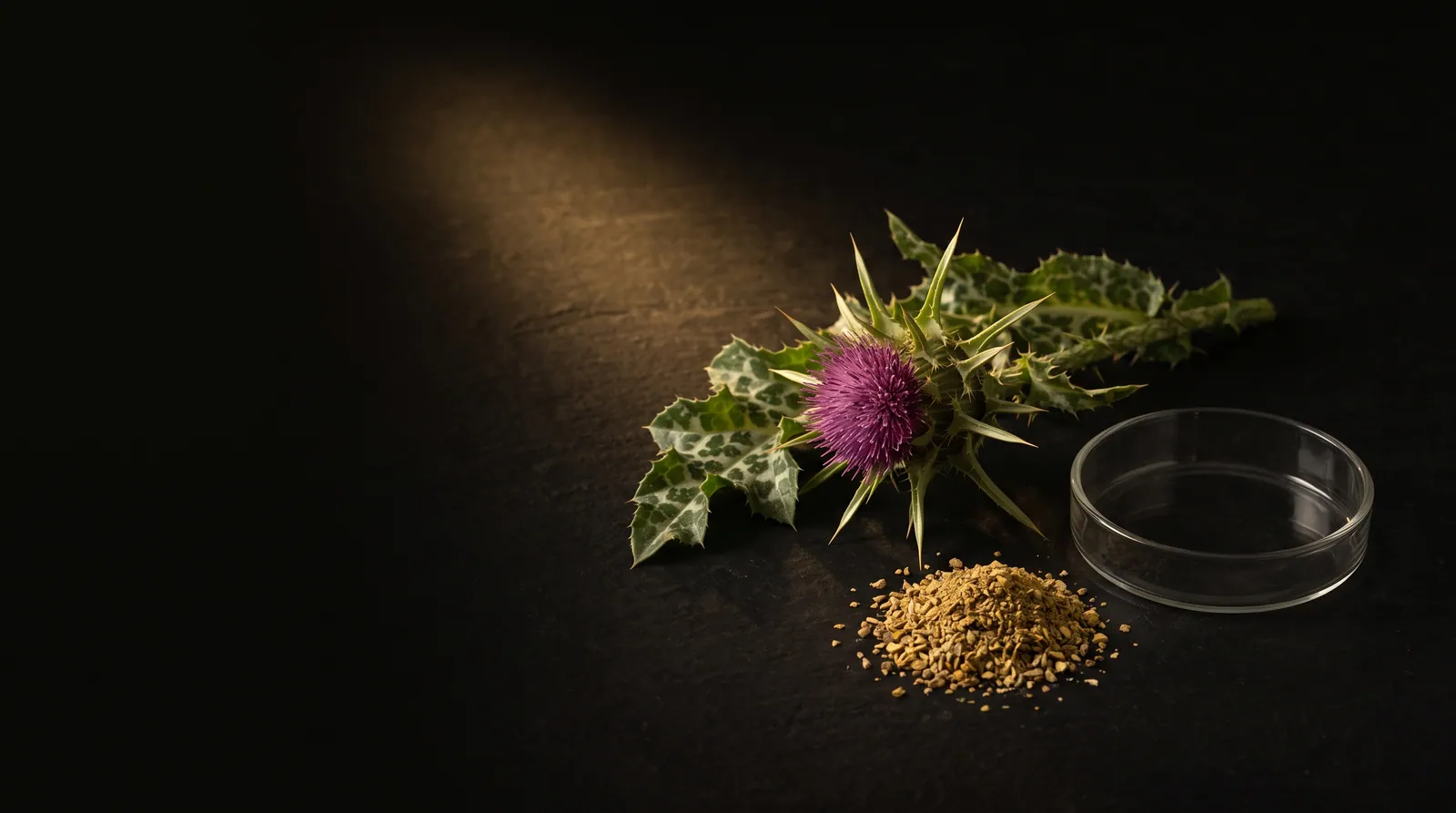
Tausendgüldenkraut
Centaurium erythraea · Bitterkraut
Short profile in progress — full depth follows step by step.
Mechanism
Enthält Secoiridoid-Bitterstoffe (Swertiamarin, Gentiopicrin), Xanthone und Flavonoide. In der traditionellen europäischen Phytotherapie und der EMA/HMPC-Monographie (Mensch) als reines Amarum zur reflektorischen Anregung von Speichel- und Magensaftsekretion beschrieben. Equine Daten fehlen; Übertragung traditionell.
Cautions
- · sehr intensiv bitter - Akzeptanz kann begrenzt sein
- · nicht bei Magen-/Darmulzera empfohlen (sekretionsanregend)
Sources
Usage note
This content is for information and education. It does not replace veterinary diagnosis or treatment. If your horse shows signs of illness, consult a veterinarian.
“Nothing forced can ever be beautiful.”
Equiterna is an intermediary platform for equine knowledge, marketplace and tools — not a veterinary-medicines dealer, veterinary practice or pharmacy. Compound information is study-attributed and free of healing claims. Legal framework: Regulation (EU) 2019/6 / TAMG (DE/AT), Feed Regulation (EC) 767/2009, FEI Prohibited Substances List, HWG.