

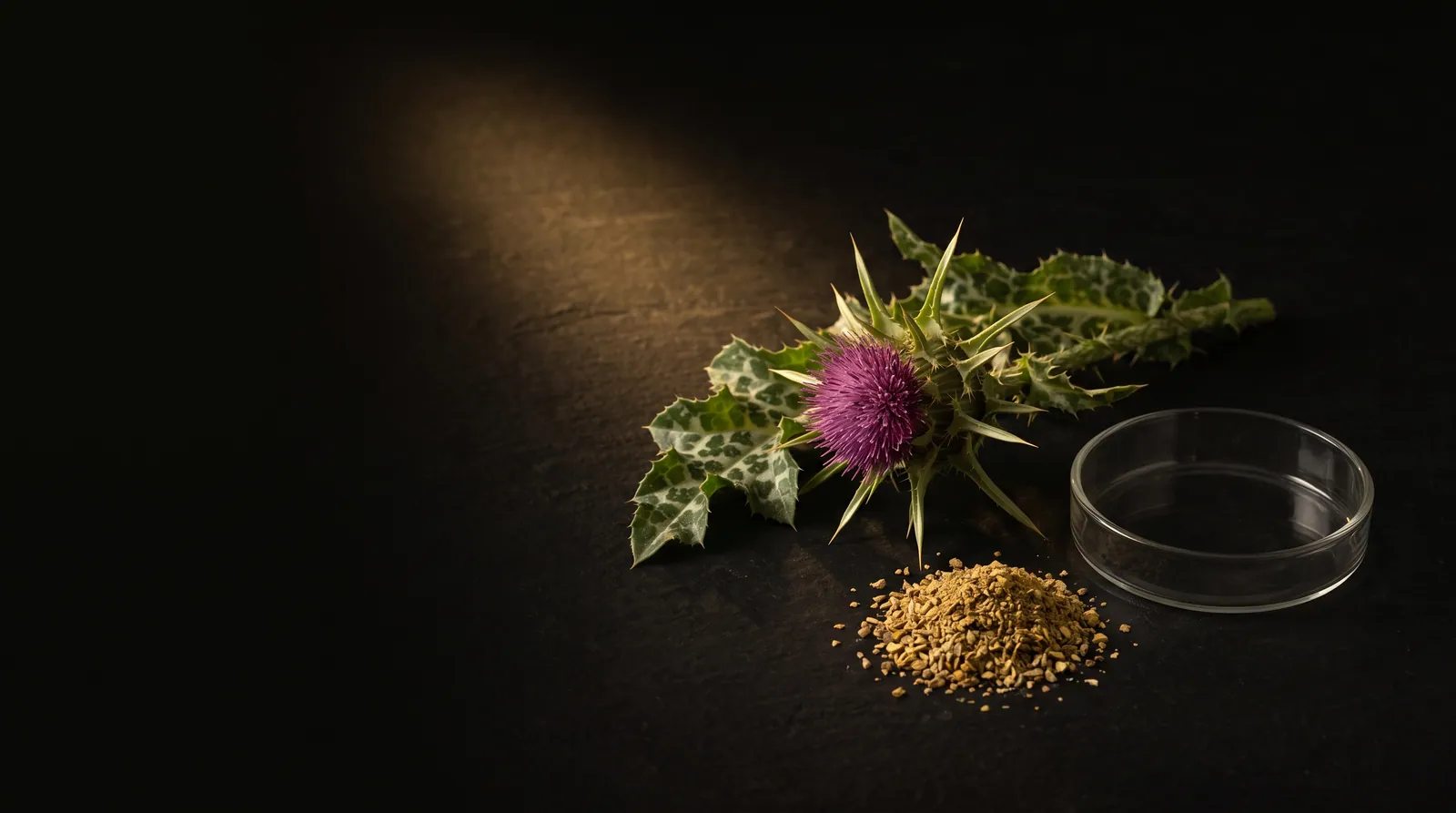
Liquorice
Glycyrrhiza glabra · Licorice
Mechanism
Liquorice root contains glycyrrhizin and its aglycone glycyrrhetinic acid. These inhibit 11β-hydroxysteroid dehydrogenase type 2, allowing cortisol to act longer at the mineralocorticoid receptor — at high doses or with long-term use, mineralocorticoid-like effects (potassium loss, water retention, rise in blood pressure) have been described. Traditionally liquorice is used to support the gastric mucosa and airways. Robust equine studies on clinical endpoints are lacking.
Cautions
- · Long-term/high dose: risk of pseudoaldosteronism (potassium loss, water retention, rise in blood pressure)
- · Not for horses with pre-existing heart, kidney or hypertension issues without veterinary advice
- · Possible interaction with potassium-lowering substances
Sources
Frequently asked questions
Is Liquorice a feed or a veterinary medicine for horses?
Equiterna classes Liquorice as “Complementary feed”. Legal framework: Regulation (EU) 2019/6 / TAMG (DE/AT), Feed Regulation (EC) 767/2009.
Is Liquorice allowed at FEI competitions?
In the profile, Liquorice is listed with the FEI status “Not listed”. The current FEI list is authoritative, so please check its latest version.
Which dosage do the sources give for Liquorice?
Stated in the profile: traditionally short-term and low-dosed; avoid long-term use. This is information from the literature, not an instruction for an individual horse.
Which sources are there for Liquorice?
The profile cites: EMA/HMPC Liquiritiae radix and PMID:42147312.
Usage note
This content is for information and education. It does not replace veterinary diagnosis or treatment. If your horse shows signs of illness, consult a veterinarian.
“Nothing forced can ever be beautiful.”
Equiterna is an intermediary platform for equine knowledge, marketplace and tools — not a veterinary-medicines dealer, veterinary practice or pharmacy. Compound information is source-attributed (PubMed, specialist journals, NRC/GfE, EU regulations) and free of healing claims. Legal framework: Regulation (EU) 2019/6 / TAMG (DE/AT), Feed Regulation (EC) 767/2009, FEI Prohibited Substances List, HWG.