

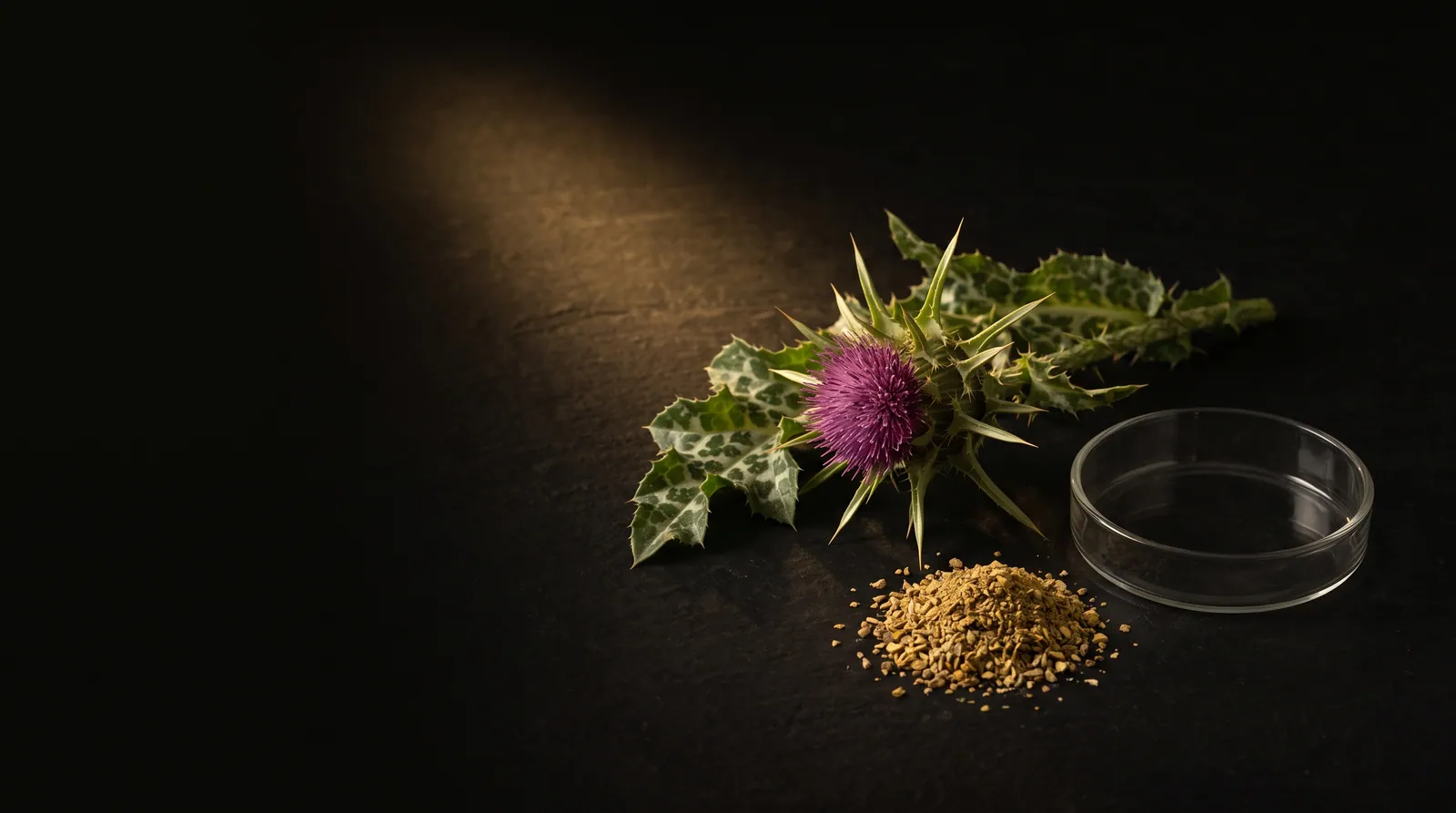
Sophora
Sophora flavescens (Ku Shen) · Styphnolobium japonicum / Sophora japonica (Huai) · Sophora
Short profile in progress — full depth follows step by step.
Mechanism
Sophora ist keine einheitliche Droge - je nach Art dominieren toxikologisch relevante Chinolizidin-Alkaloide (Matrin, Oxymatrin, teils Cytisin) oder das gefaessguenstige Flavonol Rutin. Zellstudien beschreiben antimikrobielle und entzuendungsmodulierende Effekte der Matrin-Alkaloide, die aber auch ZNS-/kardiotoxisch wirken koennen. Ohne exakte Artbestimmung ist keine sichere Verfuetterung moeglich; Pferdedaten fehlen.
Cautions
- · Chinolizidin-Alkaloide (Matrin, Cytisin) - potenziell toxisch und ZNS-aktiv; Art/Pflanzenteil entscheidend
- · Cytisin nikotinartig - theoretische Doping-Relevanz
- · nicht ohne definierten Chemotyp einsetzen
- · Botanische Art (z.B. S. flavescens: Matrin/Oxymatrin kardioaktiv; S. secundiflora: Cytisin toxisch) verifizieren - pharmakologisch aktive Alkaloide.
Sources
Usage note
This content is for information and education. It does not replace veterinary diagnosis or treatment. If your horse shows signs of illness, consult a veterinarian.
“Nothing forced can ever be beautiful.”
Equiterna is an intermediary platform for equine knowledge, marketplace and tools — not a veterinary-medicines dealer, veterinary practice or pharmacy. Compound information is study-attributed and free of healing claims. Legal framework: Regulation (EU) 2019/6 / TAMG (DE/AT), Feed Regulation (EC) 767/2009, FEI Prohibited Substances List, HWG.