

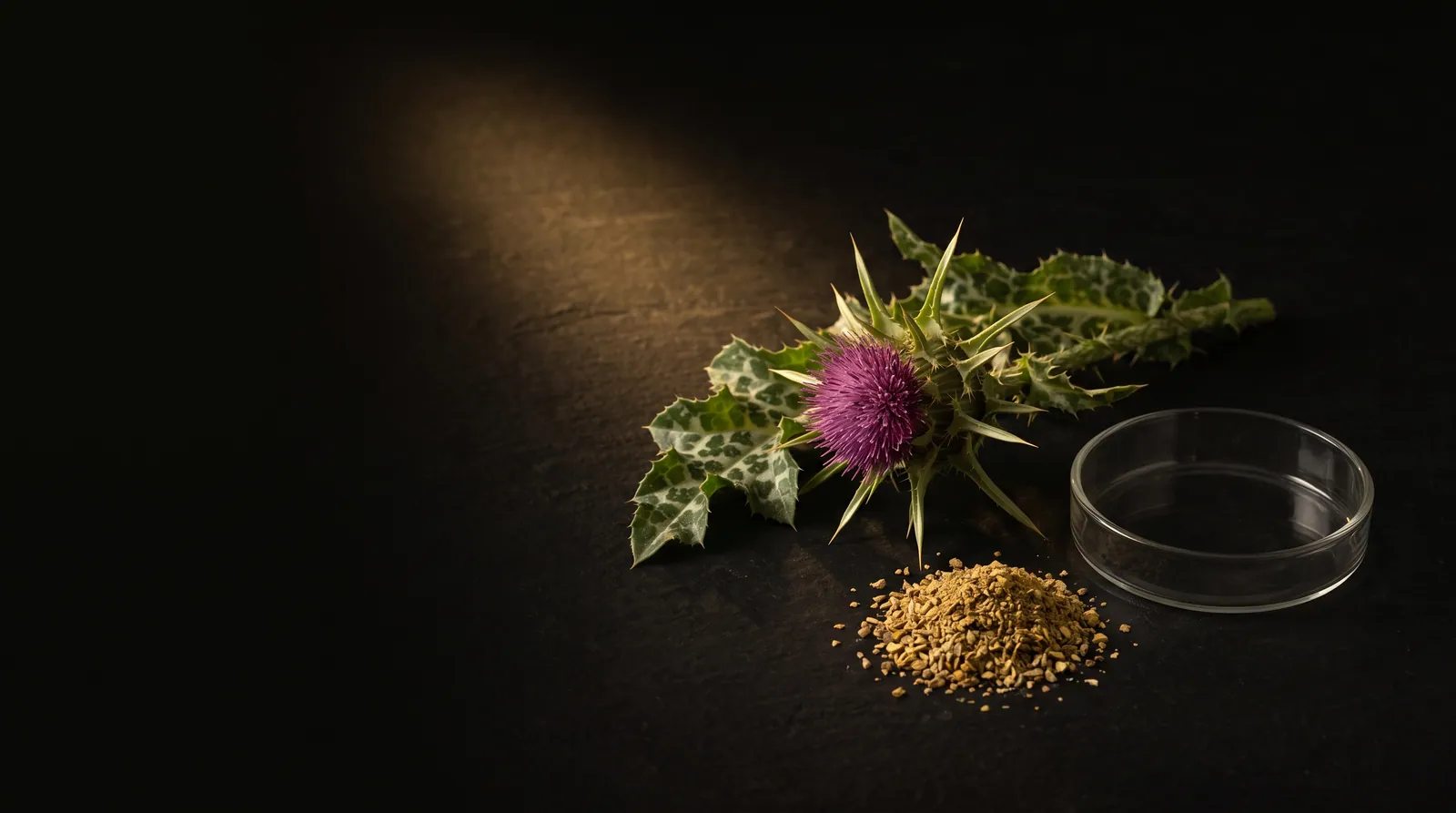
Black cumin (Nigella)
Nigella sativa
Mechanism
Black cumin seeds (Nigella sativa) contain fixed oil, essential oil and, as a characteristic constituent, thymoquinone, to which antioxidant and inflammation-modulating properties are attributed in in-vitro and animal-model studies. Traditionally black cumin (oil) is used to support the immune system, skin and airways. Controlled efficacy studies in the horse on clinical endpoints are largely lacking; the use is predominantly based on experiential medicine and transferred from other species.
Cautions
- · Essential oils act dose-dependently — dose moderately, do not overdose
- · Use cautiously in pregnancy/lactation (insufficiently studied)
Sources
Frequently asked questions
Is Black cumin (Nigella) a feed or a veterinary medicine for horses?
Equiterna classes Black cumin (Nigella) as “Complementary feed”. Legal framework: Regulation (EU) 2019/6 / TAMG (DE/AT), Feed Regulation (EC) 767/2009.
Is Black cumin (Nigella) allowed at FEI competitions?
In the profile, Black cumin (Nigella) is listed with the FEI status “Not listed”. The current FEI list is authoritative, so please check its latest version.
Which dosage do the sources give for Black cumin (Nigella)?
Stated in the profile: product-specific; practice about 30-50 ml black cumin oil or 50-100 g seeds/animal/day (large horse), introduce gradually. This is information from the literature, not an instruction for an individual horse.
Which sources are there for Black cumin (Nigella)?
The profile cites: Review Nigella sativa and EMA/HMPC.
Usage note
This content is for information and education. It does not replace veterinary diagnosis or treatment. If your horse shows signs of illness, consult a veterinarian.
“Nothing forced can ever be beautiful.”
Equiterna is an intermediary platform for equine knowledge, marketplace and tools — not a veterinary-medicines dealer, veterinary practice or pharmacy. Compound information is source-attributed (PubMed, specialist journals, NRC/GfE, EU regulations) and free of healing claims. Legal framework: Regulation (EU) 2019/6 / TAMG (DE/AT), Feed Regulation (EC) 767/2009, FEI Prohibited Substances List, HWG.