

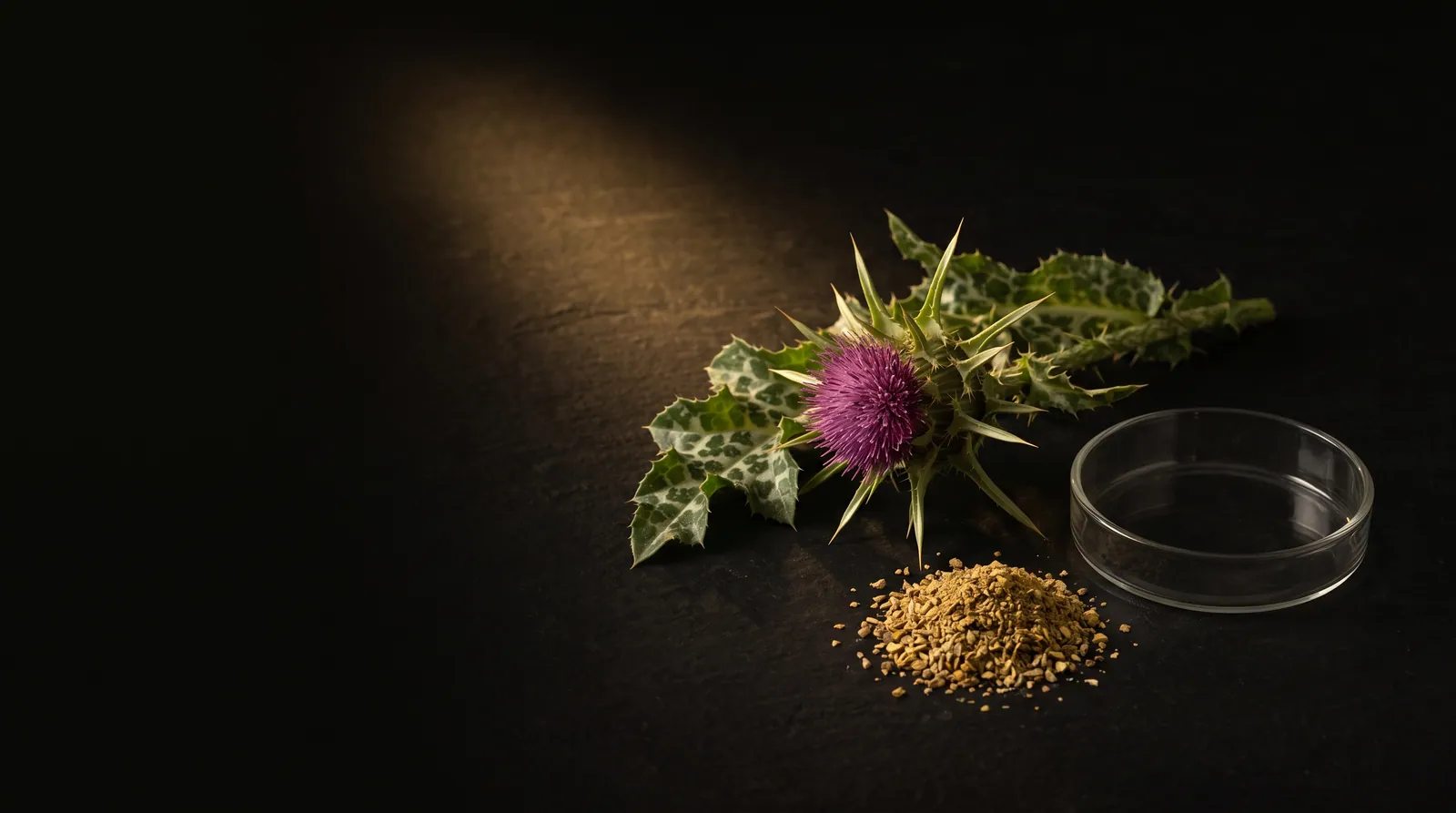
Yarrow
Achillea millefolium · Yarrow herb
Mechanism
Yarrow herb contains bitter compounds (sesquiterpene lactones), flavonoids and an azulene-containing essential oil. Traditionally it is used to stimulate appetite, mildly antispasmodic and soothing in the digestive tract as well as externally for skin irritations. The equine evidence is limited and mostly experiential. As a composite, yarrow can trigger cross-sensitisations.
Cautions
- · Composite family (Asteraceae) — sensitisation/cross-allergy possible
- · Use sparingly in pregnant mares because of bitter compounds/essential oil
- · Photosensitisation possible with large amounts of fresh plant
Sources
Frequently asked questions
Is Yarrow a feed or a veterinary medicine for horses?
Equiterna classes Yarrow as “Complementary feed”. Legal framework: Regulation (EU) 2019/6 / TAMG (DE/AT), Feed Regulation (EC) 767/2009.
Is Yarrow allowed at FEI competitions?
In the profile, Yarrow is listed with the FEI status “Not listed”. The current FEI list is authoritative, so please check its latest version.
Which dosage do the sources give for Yarrow?
Stated in the profile: approx. 15–30 g dried herb/animal/day (large horse). This is information from the literature, not an instruction for an individual horse.
Which sources are there for Yarrow?
The profile cites: PMID:38076118 and PMID:27913788.
Usage note
This content is for information and education. It does not replace veterinary diagnosis or treatment. If your horse shows signs of illness, consult a veterinarian.
“Nothing forced can ever be beautiful.”
Equiterna is an intermediary platform for equine knowledge, marketplace and tools — not a veterinary-medicines dealer, veterinary practice or pharmacy. Compound information is source-attributed (PubMed, specialist journals, NRC/GfE, EU regulations) and free of healing claims. Legal framework: Regulation (EU) 2019/6 / TAMG (DE/AT), Feed Regulation (EC) 767/2009, FEI Prohibited Substances List, HWG.