

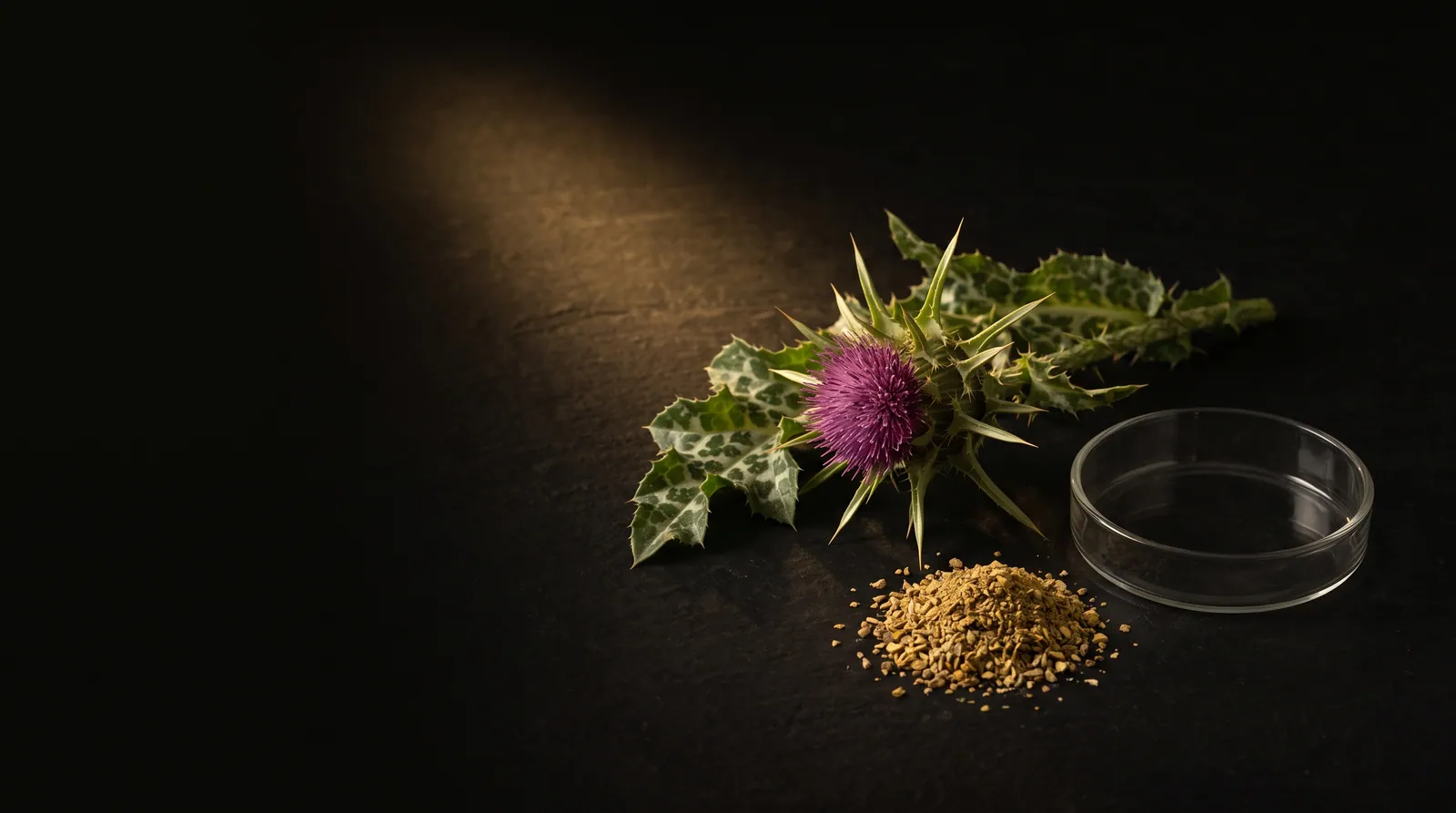
Sage
Salvia officinalis · Common sage
Mechanism
Sage leaves contain an essential oil with thujone and 1,8-cineole, plus tannins (rosmarinic acid) and flavonoids. Traditionally sage is used astringently in the mouth and throat area and for its tannins. Thujone is neurotoxic in higher doses, so high-dose and long-term administration are to be avoided. The equine endpoint data are limited.
Cautions
- · Contains thujone (neurotoxic potential) — avoid high dose and long-term administration
- · Avoid in pregnant and lactating mares (thujone, possible reduction in milk)
- · Do not equate pure sage oil with the leaf — high thujone content
Sources
Products containing Sage
Usage note
This content is for information and education. It does not replace veterinary diagnosis or treatment. If your horse shows signs of illness, consult a veterinarian.
“Nothing forced can ever be beautiful.”
Equiterna is an intermediary platform for equine knowledge, marketplace and tools — not a veterinary-medicines dealer, veterinary practice or pharmacy. Compound information is study-attributed and free of healing claims. Legal framework: Regulation (EU) 2019/6 / TAMG (DE/AT), Feed Regulation (EC) 767/2009, FEI Prohibited Substances List, HWG.