

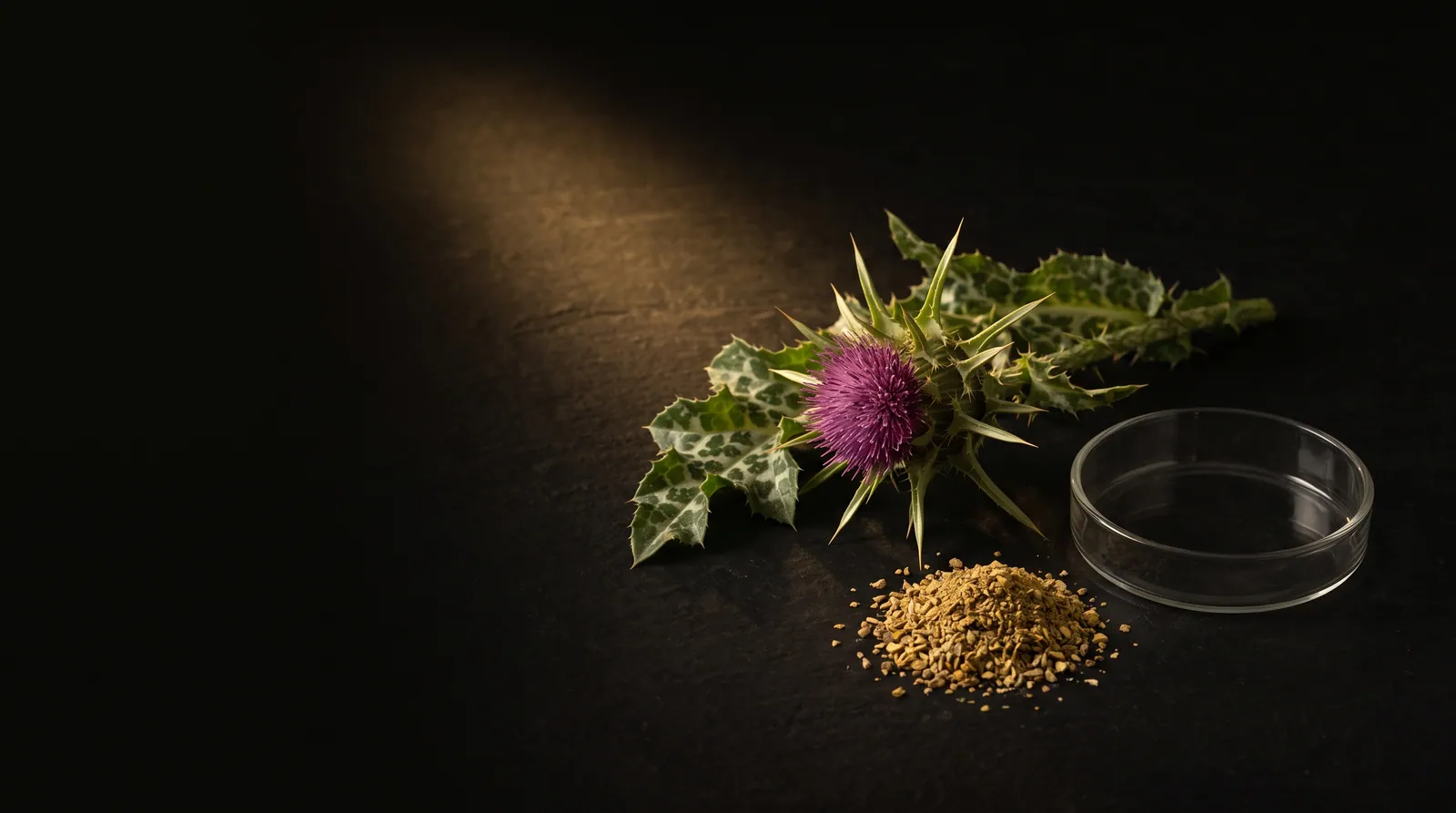
Safran (Crocus sativus)
Crocus sativus L. · Saffron · Croci stigma · Echter Safran
Mechanism
Die Narben enthalten die wasserloeslichen Apokarotinoide Crocin und Crocetin, das Monoterpenaldehyd Safranal und das Bitterglykosid Picrocrocin. Praeklinisch wirken Crocine als MAO-A/-B-Hemmer, Safranal als Antioxidans und Radikalfaenger; kontrollierte Humanstudien deuten auf stimmungsaufhellende Effekte (J Pharm Bioallied Sci 2018; pharmakologische Uebersichtsarbeit 2022). Antioxidative, neuroprotektive und kardioprotektive Aktivitaeten sind vielfach beschrieben. Beim Pferd fehlen kontrollierte Studien; hohe Dosen sind human toxisch. Einordnung: Ergaenzungsfuttermittel, kostspieliges Gewuerz mit stimmungs- und antioxidativer Tradition.
Cautions
- · Hohe Dosen human toxisch (>5 g Droge; sehr hohe Mengen potenziell abortiv/letal) - Sicherheitsabstand
- · NICHT bei tragenden Stuten (in Hochdosis traditionell emmenagog/uteruswirksam, abortiv beschrieben)
- · Moegliche Interaktion mit Antidepressiva/Sedativa
- · Kostenfaktor und Verfaelschungsrisiko der Droge
Sources
Usage note
This content is for information and education. It does not replace veterinary diagnosis or treatment. If your horse shows signs of illness, consult a veterinarian.
“Nothing forced can ever be beautiful.”
Equiterna is an intermediary platform for equine knowledge, marketplace and tools — not a veterinary-medicines dealer, veterinary practice or pharmacy. Compound information is study-attributed and free of healing claims. Legal framework: Regulation (EU) 2019/6 / TAMG (DE/AT), Feed Regulation (EC) 767/2009, FEI Prohibited Substances List, HWG.