

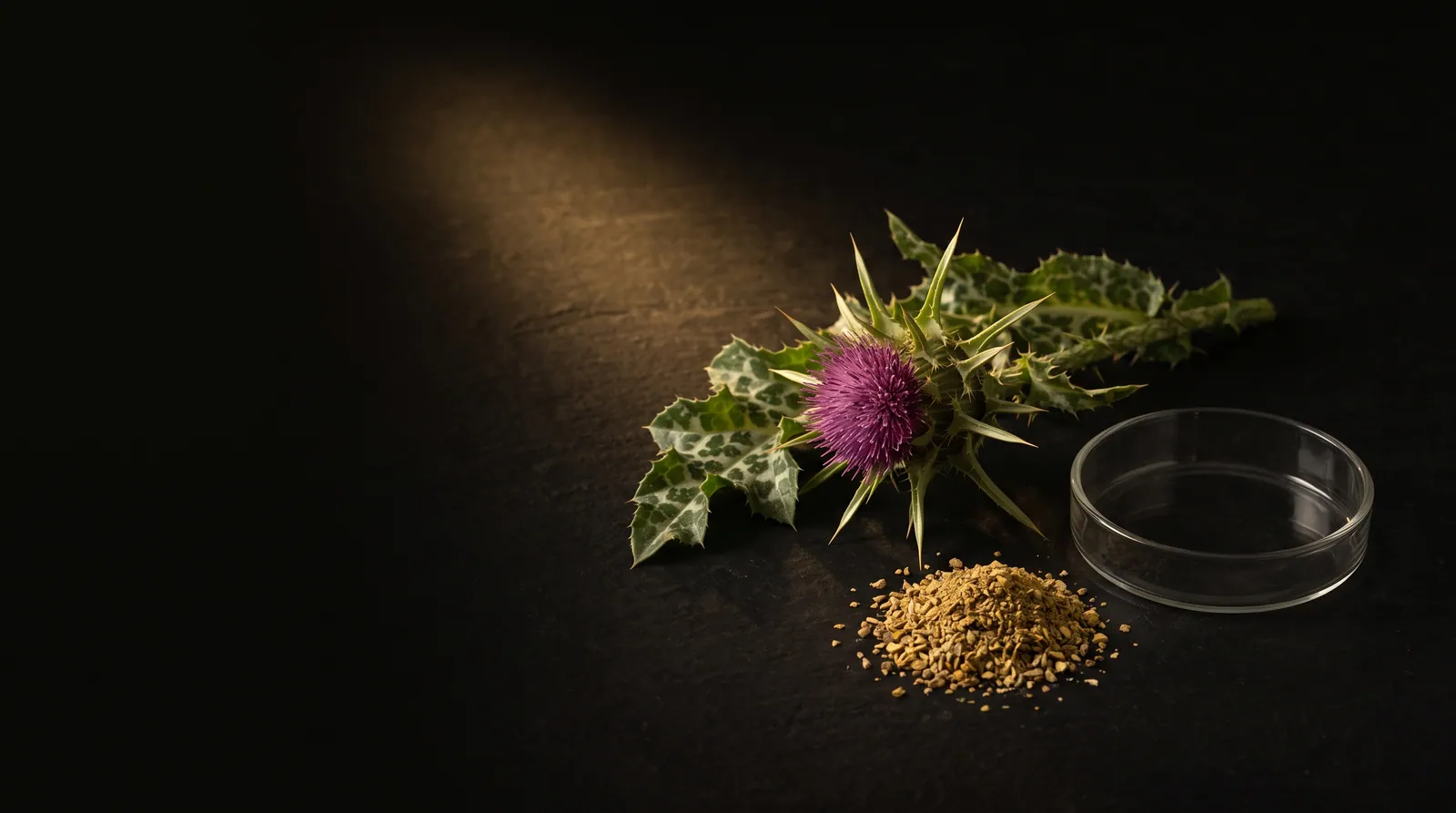
Rehmannia
Rehmannia glutinosa · Di Huang · Chinesischer Fingerhut (irrefuehrend - nicht Digitalis) · Rehmanniae Radix
Mechanism
Charakteristische Leitsubstanz ist das Iridoidglucosid Catalpol, begleitet von weiteren Iridoiden, Phenylethanoidglykosiden und Oligosacchariden. Catalpol zeigt in praeklinischen Modellen antiinflammatorische, antioxidative, neuro- und nephroprotektive sowie metabolische Effekte; molekular werden u. a. Hemmung IL-1beta-induzierter Zytokine (IL-6, IL-8, MCP-1) und PPAR-gamma-Aktivierung in intestinalen Caco-2-Zellen beschrieben (Bang et al. 2016, PMID 27007911; Bhattamisra et al., Biomolecules 2020, PMC7023090). In der TCM gilt die Droge als kuehlend/befeuchtend; entsprechend werden bei kaeltebetonten oder magen-darm-empfindlichen Tieren traditionell weiche Kot-/Verdauungsreaktionen berichtet. Die Evidenz beruht praktisch vollstaendig auf In-vitro- und Nagerdaten; kontrollierte Wirksamkeits- oder Pharmakokinetikstudien beim Pferd fehlen. Der Einsatz als Ergaenzungsfuttermittel ist damit traditionell/extrapoliert zu bewerten, ohne therapeutischen Anspruch am Tier.
Cautions
- · Magen-Darm-empfindliche Tiere: weiche Kotkonsistenz/Verdauungstraegheit moeglich (TCM: kuehlend/befeuchtend)
- · Datenlage beim Pferd fehlt - nur als Ergaenzungsfuttermittel, kein Krankheitsbezug
- · Nicht mit Digitalis (Fingerhut) verwechseln - Rehmannia enthaelt keine Herzglykoside, ist aber botanisch unabhaengig
- · Tragende/laktierende Stuten: mangels equiner Daten meiden
- · FEI: allgemeine Kraeuterprodukt-Warnung - vor Wettkampf abklaeren
Sources
Usage note
This content is for information and education. It does not replace veterinary diagnosis or treatment. If your horse shows signs of illness, consult a veterinarian.
“Nothing forced can ever be beautiful.”
Equiterna is an intermediary platform for equine knowledge, marketplace and tools — not a veterinary-medicines dealer, veterinary practice or pharmacy. Compound information is study-attributed and free of healing claims. Legal framework: Regulation (EU) 2019/6 / TAMG (DE/AT), Feed Regulation (EC) 767/2009, FEI Prohibited Substances List, HWG.