

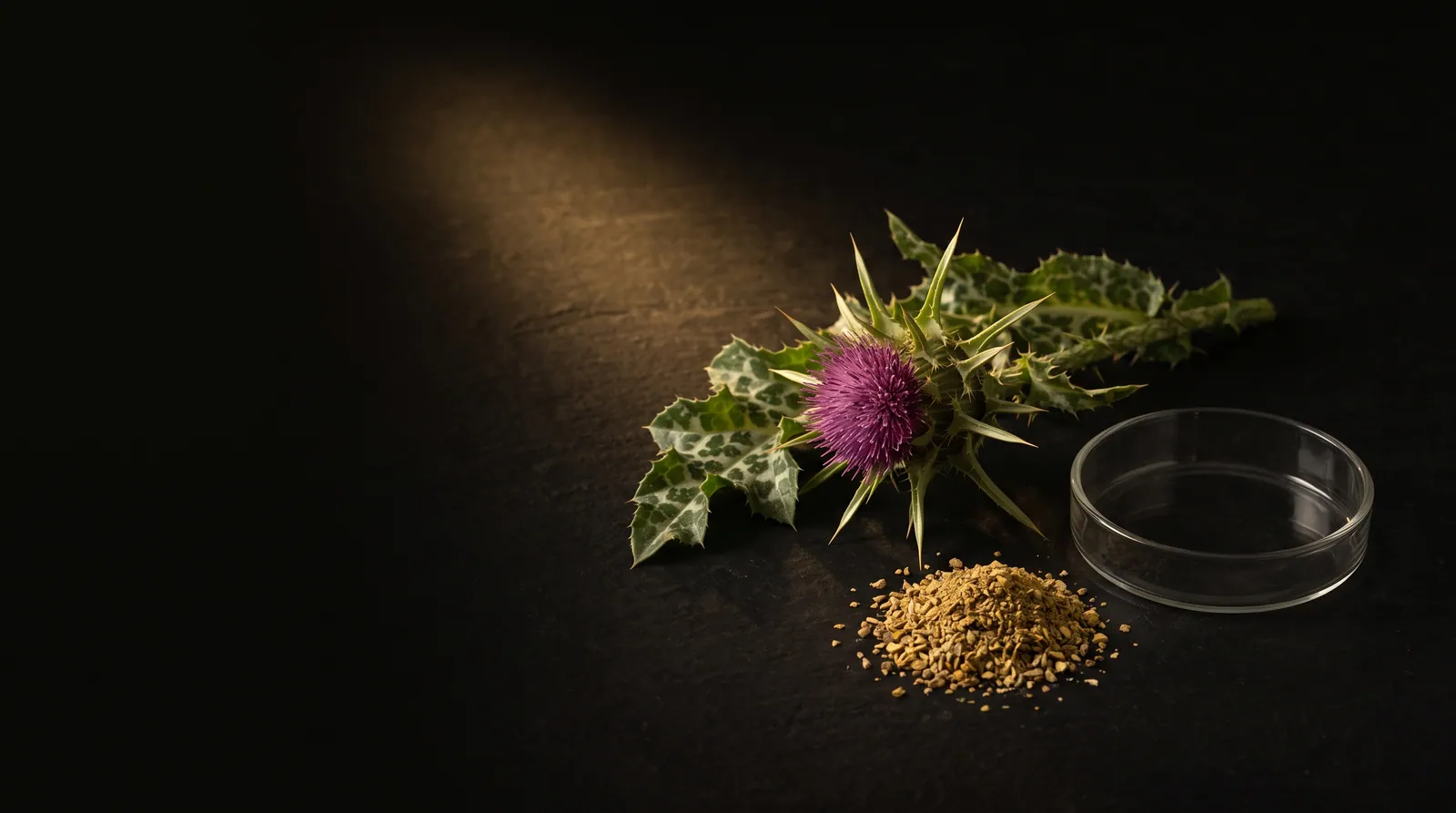
Poke Root / Kermesbeere
Phytolacca americana · Kermesbeere · Pokeweed
Short profile in progress — full depth follows step by step.
Mechanism
Poke Root fuehrt stark reizende Triterpensaponine (Phytolaccatoxin/-genin) und mitogene Lektine (Pokeweed-Mitogen) (veterinaertoxikologische Literatur; Merck Vet Manual). Beschrieben sind ausgepraegte gastrointestinale Reizung, emetische Wirkung und systemische Toxizitaet. Die gesamte Pflanze, besonders die Wurzel, gilt als giftig.
Cautions
- · GIFTIG - nicht zur inneren Anwendung
- · Saponine und Lektine stark schleimhautreizend und systemisch toxisch
- · gesamte Pflanze, v.a. Wurzel, giftig fuer Pferde
- · Warnung: Giftpflanze (Phytolaccatoxin, Saponine) - nicht verfuettern, tieraerztliche Ruecksprache.
Sources
Usage note
This content is for information and education. It does not replace veterinary diagnosis or treatment. If your horse shows signs of illness, consult a veterinarian.
“Nothing forced can ever be beautiful.”
Equiterna is an intermediary platform for equine knowledge, marketplace and tools — not a veterinary-medicines dealer, veterinary practice or pharmacy. Compound information is study-attributed and free of healing claims. Legal framework: Regulation (EU) 2019/6 / TAMG (DE/AT), Feed Regulation (EC) 767/2009, FEI Prohibited Substances List, HWG.