

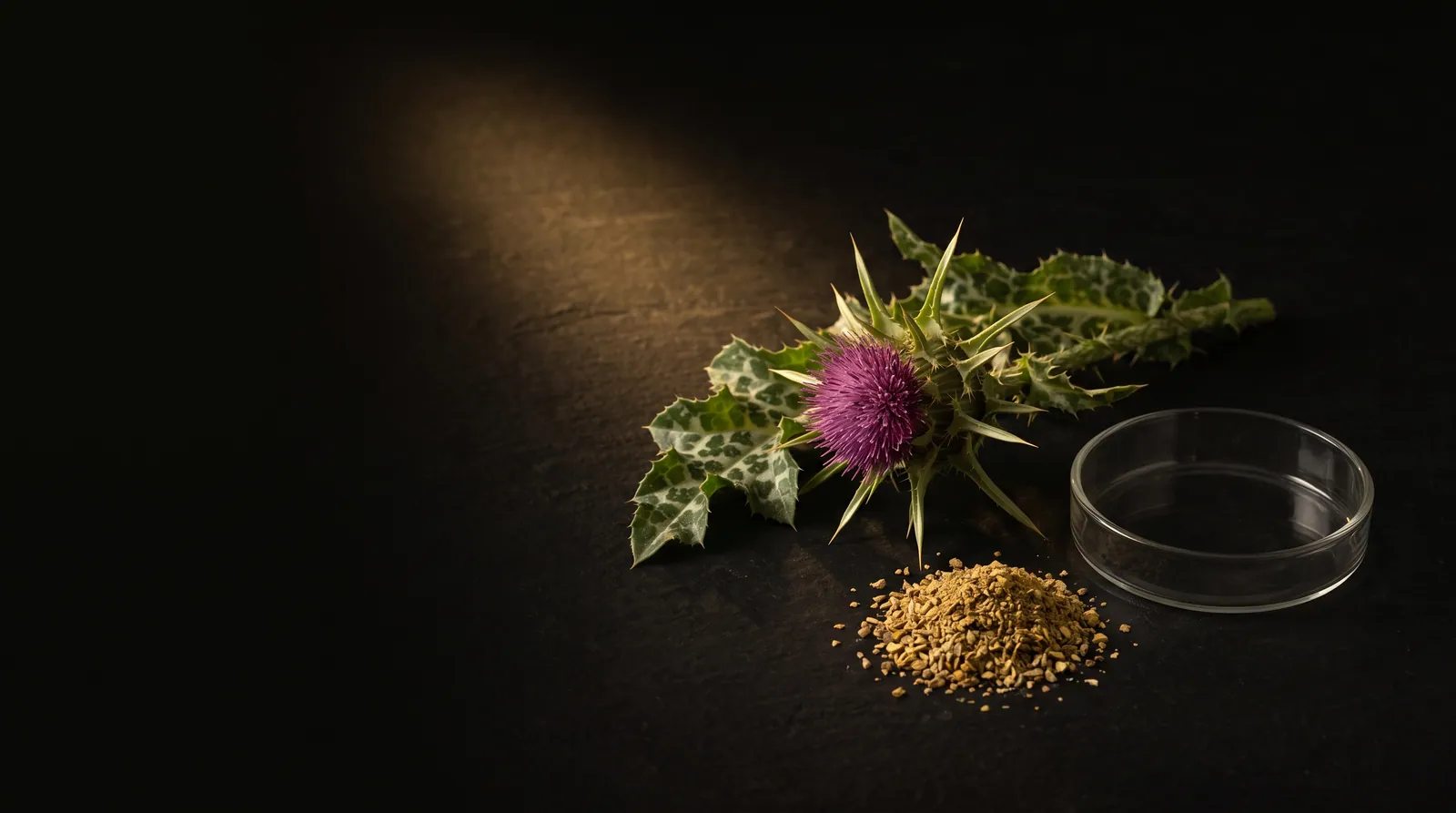
Neem (Azadirachta indica)
Azadirachta indica A. Juss. · Neembaum · Niembaum · Indischer Flieder · Margosa
Mechanism
Wirkbestimmend sind die Limonoide/Triterpenoide Azadirachtin, Nimbidin und Nimbin, vor allem in Blatt- und Samenöl. In-vitro und tierexperimentell sind antimikrobielle, antifungale, insektenabweisende, immunmodulierende und entzündungshemmende Effekte beschrieben (Molecules-Toxizitätsreview 2021). Klinisch relevant und gut dokumentiert ist die reversible Reproduktionstoxizität: Neemöl und Azadirachtin beeinträchtigen im Nagermodell männliche und weibliche Fortpflanzungsparameter, wirken spermizid und in der Trächtigkeit teratogen/abortiv (J Ethnopharmacol 2024). Equine Wirksamkeitsstudien fehlen; die orale Anwendung ist wegen des Fertilitäts- und Trächtigkeitsrisikos kritisch, äußerlich ist der Einsatz als Insektizid/Repellent verbreitet. Einordnung: Ergänzungsfuttermittel bzw. topisches Repellent mit ausgeprägtem Reproduktionsvorbehalt.
Cautions
- · REPRODUKTIONS-/FERTILITAETSRISIKO - NICHT bei tragenden Stuten (teratogen/abortiv im Tiermodell), kritisch bei Zuchthengsten/-stuten (spermizid)
- · Neemöl oral in hohen Dosen potenziell hepato-/neurotoxisch
- · Nur äußerlich und verdünnt anwenden
- · Wettkampf: nicht gelistet, dennoch Reinheit prüfen
Sources
Usage note
This content is for information and education. It does not replace veterinary diagnosis or treatment. If your horse shows signs of illness, consult a veterinarian.
“Nothing forced can ever be beautiful.”
Equiterna is an intermediary platform for equine knowledge, marketplace and tools — not a veterinary-medicines dealer, veterinary practice or pharmacy. Compound information is source-attributed (PubMed, specialist journals, NRC/GfE, EU regulations) and free of healing claims. Legal framework: Regulation (EU) 2019/6 / TAMG (DE/AT), Feed Regulation (EC) 767/2009, FEI Prohibited Substances List, HWG.