

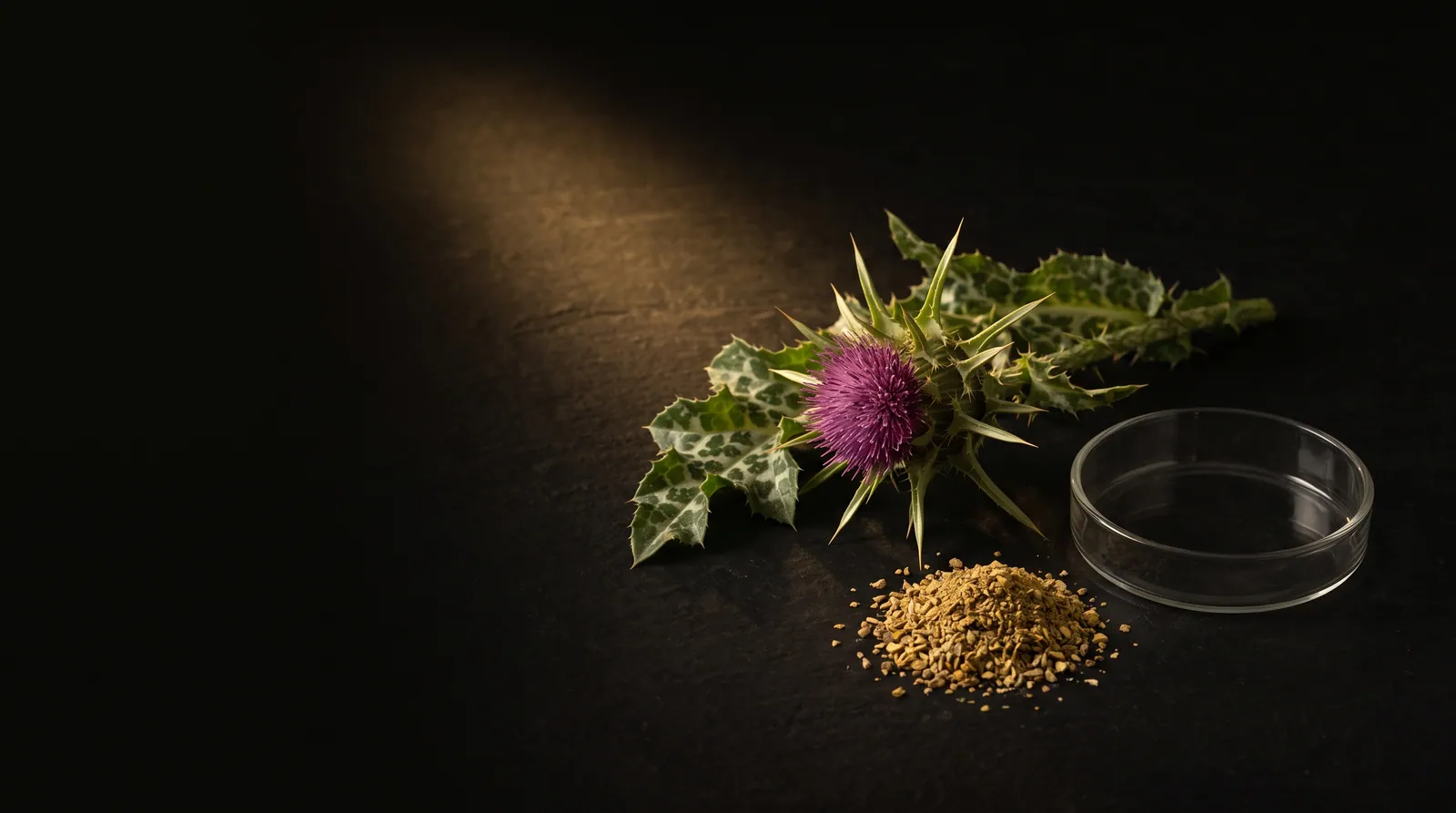
Evening primrose oil
Oenothera biennis (oil)
Mechanism
Evening primrose oil is obtained from the seeds of the evening primrose (Oenothera biennis) and is one of the richest plant sources of gamma-linolenic acid (GLA), an omega-6 fatty acid. GLA is an intermediate in fatty-acid metabolism and can be converted into inflammation-modulating eicosanoid precursors (dihomo-gamma-linolenic acid); from this the traditional use for skin and coat topics is derived. In human medicine the data on GLA in atopic dermatitis are inconsistent (both positive and negative controlled studies). Robust equine studies on clinical endpoints are practically lacking; its use in the horse is experiential and derived from human data.
Cautions
- · GLA is an omega-6 fatty acid — keep an eye on the omega-6/omega-3 ratio of the overall ration, do not enrich omega-6 one-sidedly
- · Highly prone to oxidation — store cool, dark and not too long; discard once it smells rancid
- · Equine evidence on clinical endpoints is thin
Sources
Usage note
This content is for information and education. It does not replace veterinary diagnosis or treatment. If your horse shows signs of illness, consult a veterinarian.
“Nothing forced can ever be beautiful.”
Equiterna is an intermediary platform for equine knowledge, marketplace and tools — not a veterinary-medicines dealer, veterinary practice or pharmacy. Compound information is study-attributed and free of healing claims. Legal framework: Regulation (EU) 2019/6 / TAMG (DE/AT), Feed Regulation (EC) 767/2009, FEI Prohibited Substances List, HWG.