
Chasteberry
Vitex agnus-castus
Mechanism
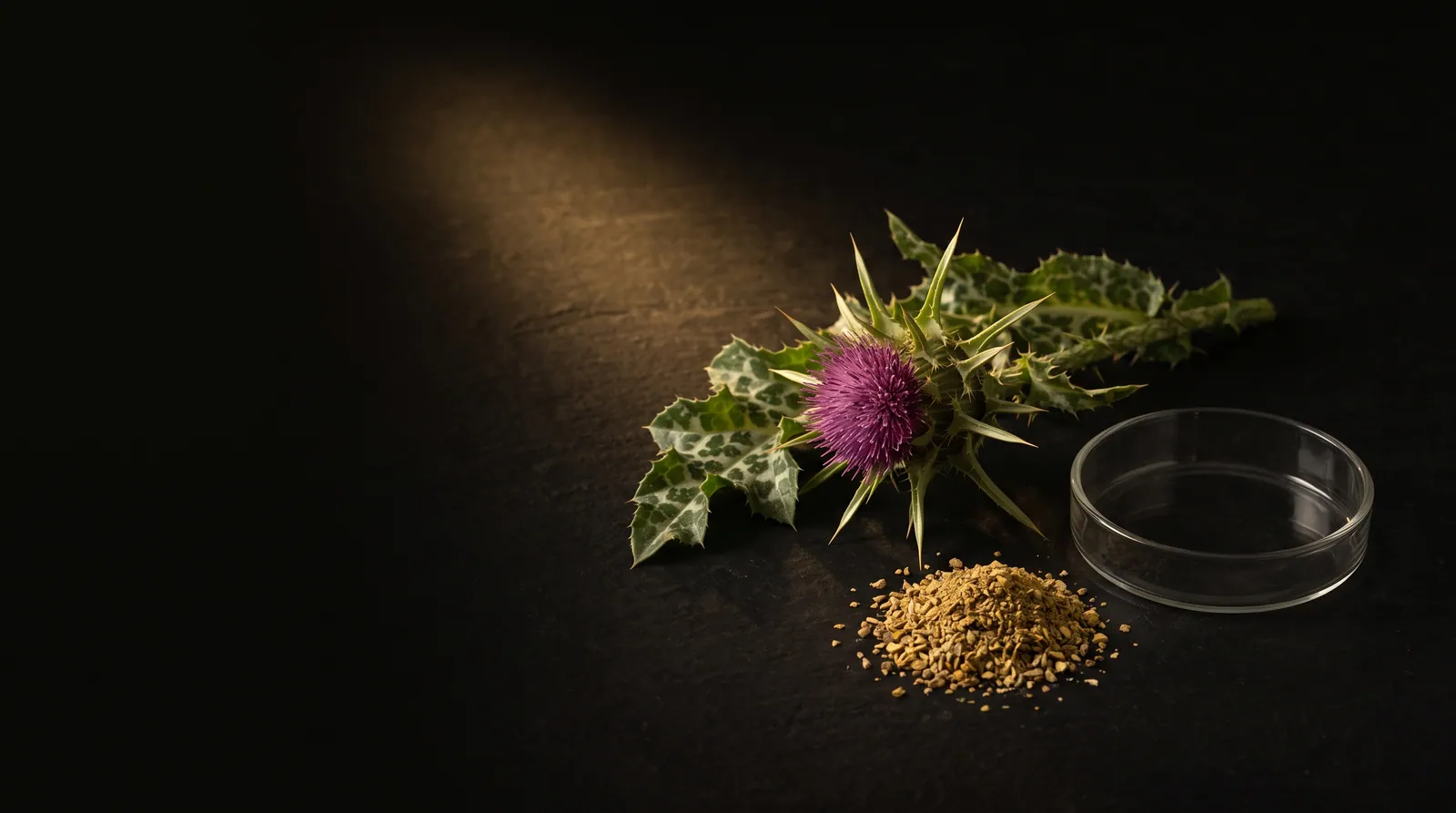
Inhaltsstoffe der Mönchspfeffer-Früchte wirken dopaminerg. In der Praxis wird Mönchspfeffer adjuvant im Kontext von PPID (Equines Cushing) sowie bei Stuten mit zyklusbedingten Verhaltensauffälligkeiten eingesetzt. Die equine Evidenz ist begrenzt und ersetzt keine tierärztliche PPID-Diagnostik/Therapie (Pergolid).
Cautions
- · No substitute for PPID diagnosis/therapy (pergolide)
- · Affects hormone balance — consult a vet in breeding mares
Sources
Products containing Chasteberry
Knowledge connections
Usage note
This content is for information and education. It does not replace veterinary diagnosis or treatment. If your horse shows signs of illness, consult a veterinarian.
“Nothing forced can ever be beautiful.”
Equiterna is an intermediary platform for equine knowledge, marketplace and tools — not a veterinary-medicines dealer, veterinary practice or pharmacy. Compound information is study-attributed and free of healing claims. Legal framework: Regulation (EU) 2019/6 / TAMG (DE/AT), Feed Regulation (EC) 767/2009, FEI Prohibited Substances List, HWG.