

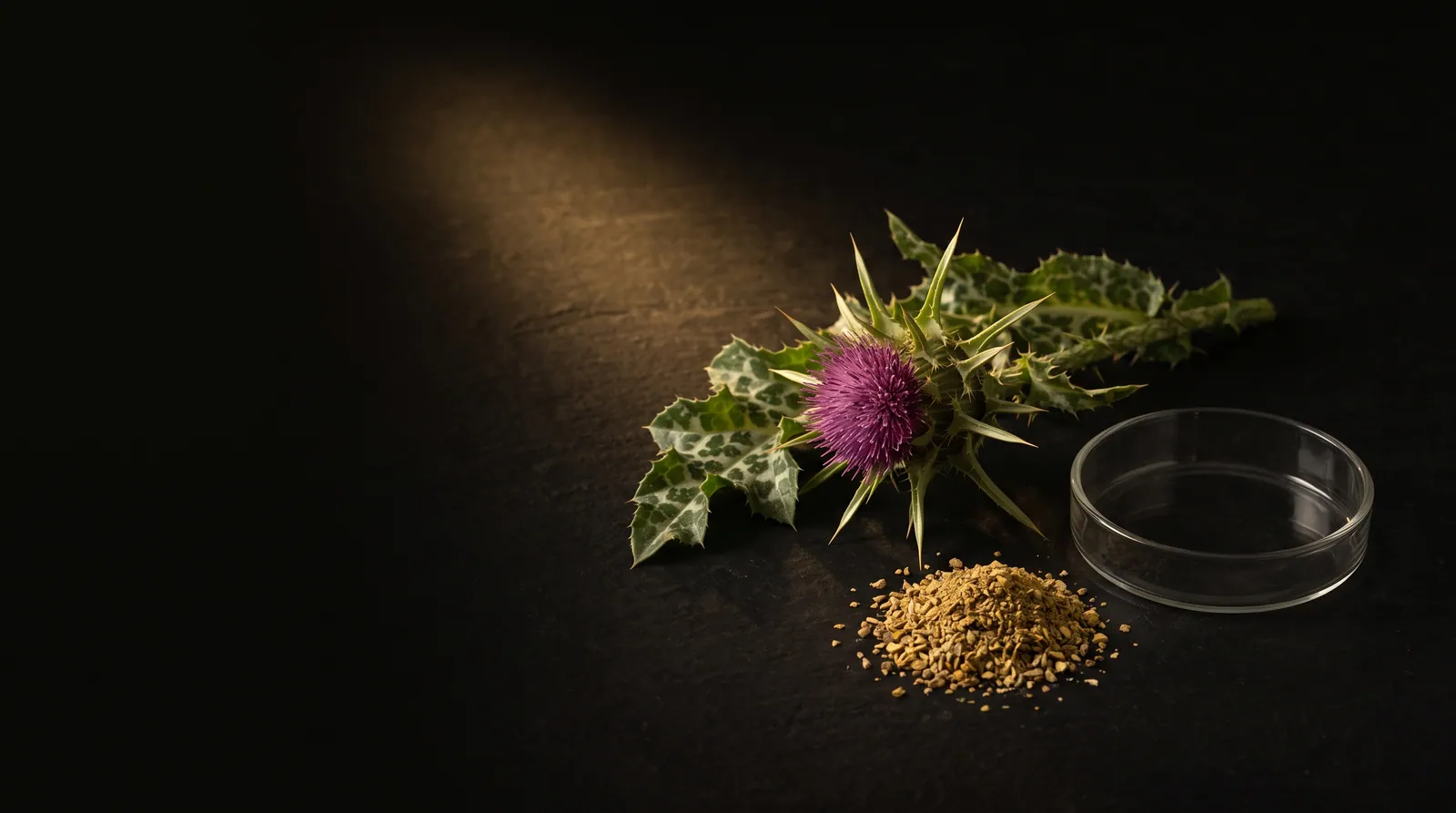
Lemon balm
Melissa officinalis · Lemon balm
Mechanism
Lemon balm (Melissa officinalis) contains rosmarinic acid, other hydroxycinnamic acids and essential oils (incl. citral, citronellal). In human and rodent models, anxiolytic and mildly sedative effects are described; one discussed mechanism is inhibition of GABA transaminase (raising GABA levels) (ESCOP/EMA-HMPC). Horse-specific controlled studies are limited, so transfer to the horse should be assessed cautiously. Lemon balm is traditionally used outside competition in calming mixtures. Because of the centrally depressant direction of effect, the FEI status should be checked before competition.
Cautions
- · Horse-specific data limited; effect not established
- · Sedative direction of effect: check FEI status before competition
- · Do not combine with other sedatives
Sources
Products containing Lemon balm
Knowledge connections
Usage note
This content is for information and education. It does not replace veterinary diagnosis or treatment. If your horse shows signs of illness, consult a veterinarian.
“Nothing forced can ever be beautiful.”
Equiterna is an intermediary platform for equine knowledge, marketplace and tools — not a veterinary-medicines dealer, veterinary practice or pharmacy. Compound information is study-attributed and free of healing claims. Legal framework: Regulation (EU) 2019/6 / TAMG (DE/AT), Feed Regulation (EC) 767/2009, FEI Prohibited Substances List, HWG.