

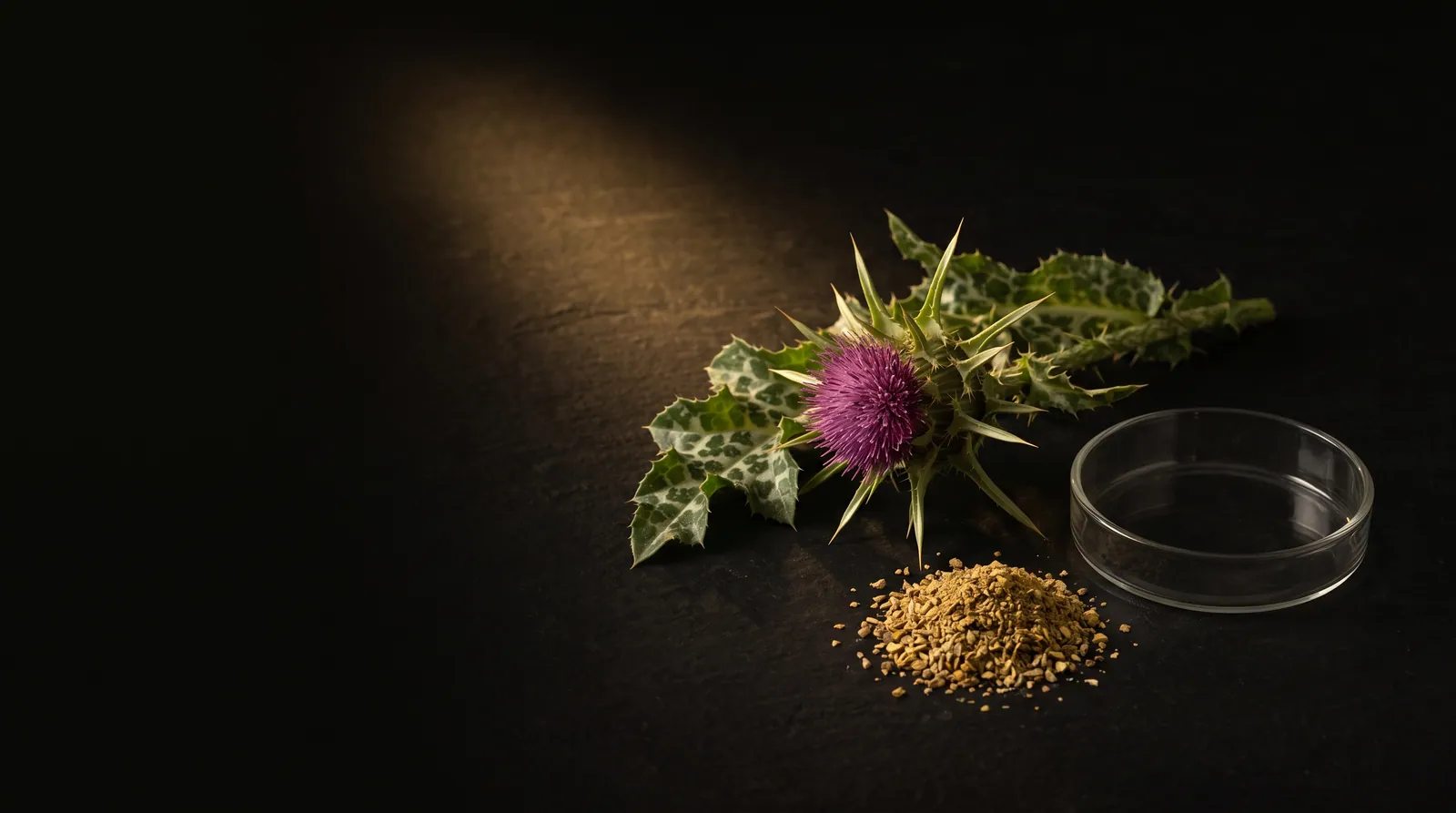
Dandelion
Taraxacum officinale · Blowball
Mechanism
Dandelion herb and root contain sesquiterpene bitter compounds, triterpenes, flavonoids and a high potassium content. Traditionally they are used to support bile flow, liver metabolism and urinary excretion; a diuretic effect was observed in a small human study. Robust equine studies on clinical endpoints are lacking; use rests mainly on experiential knowledge.
Cautions
- · Contraindicated with bile-duct obstruction — veterinary clarification
- · Composite-family (Asteraceae) sensitivity possible
Sources
Frequently asked questions
Is Dandelion a feed or a veterinary medicine for horses?
Equiterna classes Dandelion as “Complementary feed”. Legal framework: Regulation (EU) 2019/6 / TAMG (DE/AT), Feed Regulation (EC) 767/2009.
Is Dandelion allowed at FEI competitions?
In the profile, Dandelion is listed with the FEI status “Not listed”. The current FEI list is authoritative, so please check its latest version.
Which dosage do the sources give for Dandelion?
Stated in the profile: approx. 20–40 g dried herb/root/animal/day (large horse). This is information from the literature, not an instruction for an individual horse.
Which sources are there for Dandelion?
The profile cites: PMID:19678785 and EMA/HMPC Taraxaci radix cum herba.
Usage note
This content is for information and education. It does not replace veterinary diagnosis or treatment. If your horse shows signs of illness, consult a veterinarian.
“Nothing forced can ever be beautiful.”
Equiterna is an intermediary platform for equine knowledge, marketplace and tools — not a veterinary-medicines dealer, veterinary practice or pharmacy. Compound information is source-attributed (PubMed, specialist journals, NRC/GfE, EU regulations) and free of healing claims. Legal framework: Regulation (EU) 2019/6 / TAMG (DE/AT), Feed Regulation (EC) 767/2009, FEI Prohibited Substances List, HWG.