

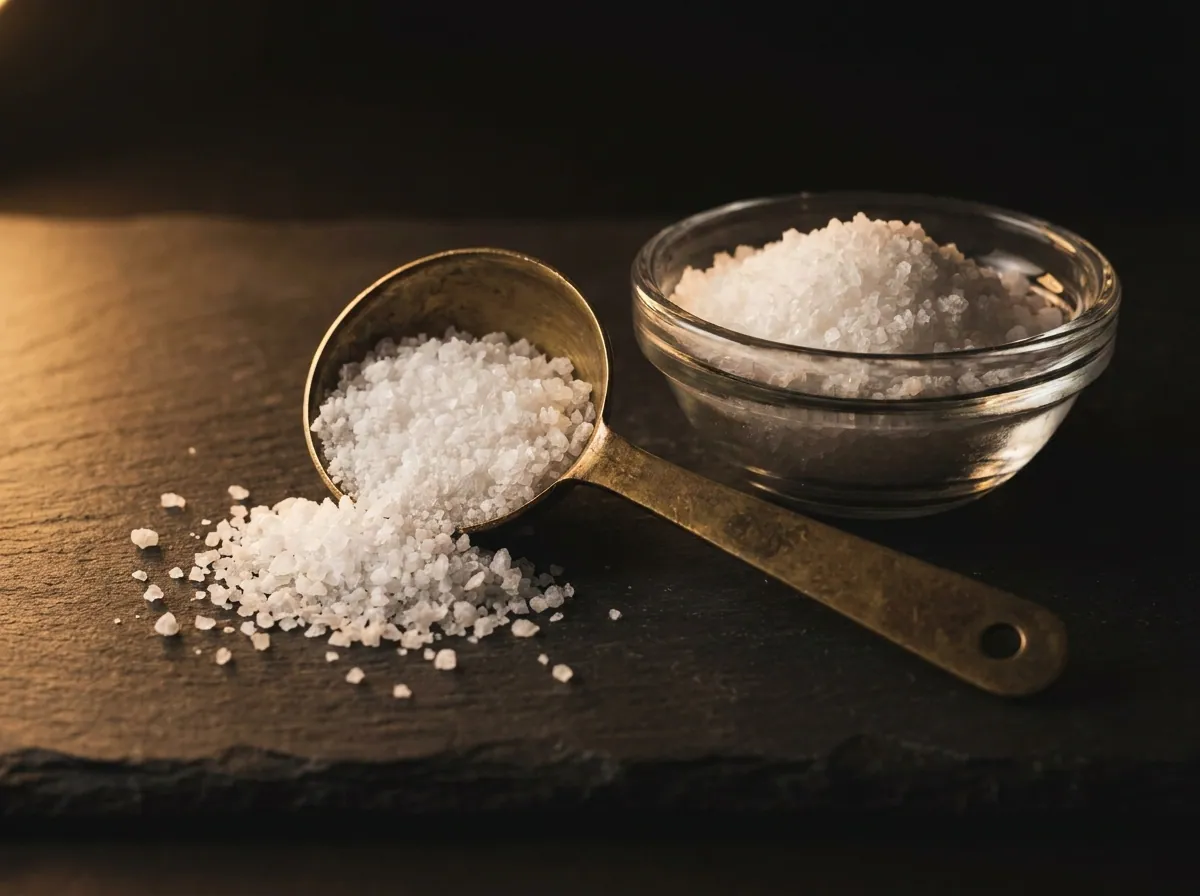
Lithothamnium (calcareous algae)
Lithothamnium calcareum · Red algae lime
Mechanism
Lithothamnium calcareum is a calcareous red alga with a high proportion of calcium and magnesium carbonate as well as further trace elements (incl. iodine). Owing to the basic carbonate matrix, a stomach-buffering (acid-binding) property is discussed; the equine data situation on this is limited and predominantly extrapolated from other species. In horse feeding it serves primarily as a calcium/mineral source and must be factored into the Ca:P balance of the overall ration.
Cautions
- · Factor calcium into the Ca:P balance — avoid double supply with mineral feed
- · Iodine content and heavy-metal load vary by origin — mind batch CoA/quality
- · No balancing of the overall ration without a ration calculation
Sources
Frequently asked questions
Is Lithothamnium (calcareous algae) a feed or a veterinary medicine for horses?
Equiterna classes Lithothamnium (calcareous algae) as “Complementary feed”. Legal framework: Regulation (EU) 2019/6 / TAMG (DE/AT), Feed Regulation (EC) 767/2009.
Is Lithothamnium (calcareous algae) allowed at FEI competitions?
In the profile, Lithothamnium (calcareous algae) is listed with the FEI status “Not listed”. The current FEI list is authoritative, so please check its latest version.
Which dosage do the sources give for Lithothamnium (calcareous algae)?
Stated in the profile: product-specific as a calcium source; factor into the Ca:P balance of the ration. This is information from the literature, not an instruction for an individual horse.
Which sources are there for Lithothamnium (calcareous algae)?
The profile cites: PMID:22386818 and EFSA Calcareous marine algae.
Usage note
This content is for information and education. It does not replace veterinary diagnosis or treatment. If your horse shows signs of illness, consult a veterinarian.
“Nothing forced can ever be beautiful.”
Equiterna is an intermediary platform for equine knowledge, marketplace and tools — not a veterinary-medicines dealer, veterinary practice or pharmacy. Compound information is source-attributed (PubMed, specialist journals, NRC/GfE, EU regulations) and free of healing claims. Legal framework: Regulation (EU) 2019/6 / TAMG (DE/AT), Feed Regulation (EC) 767/2009, FEI Prohibited Substances List, HWG.