

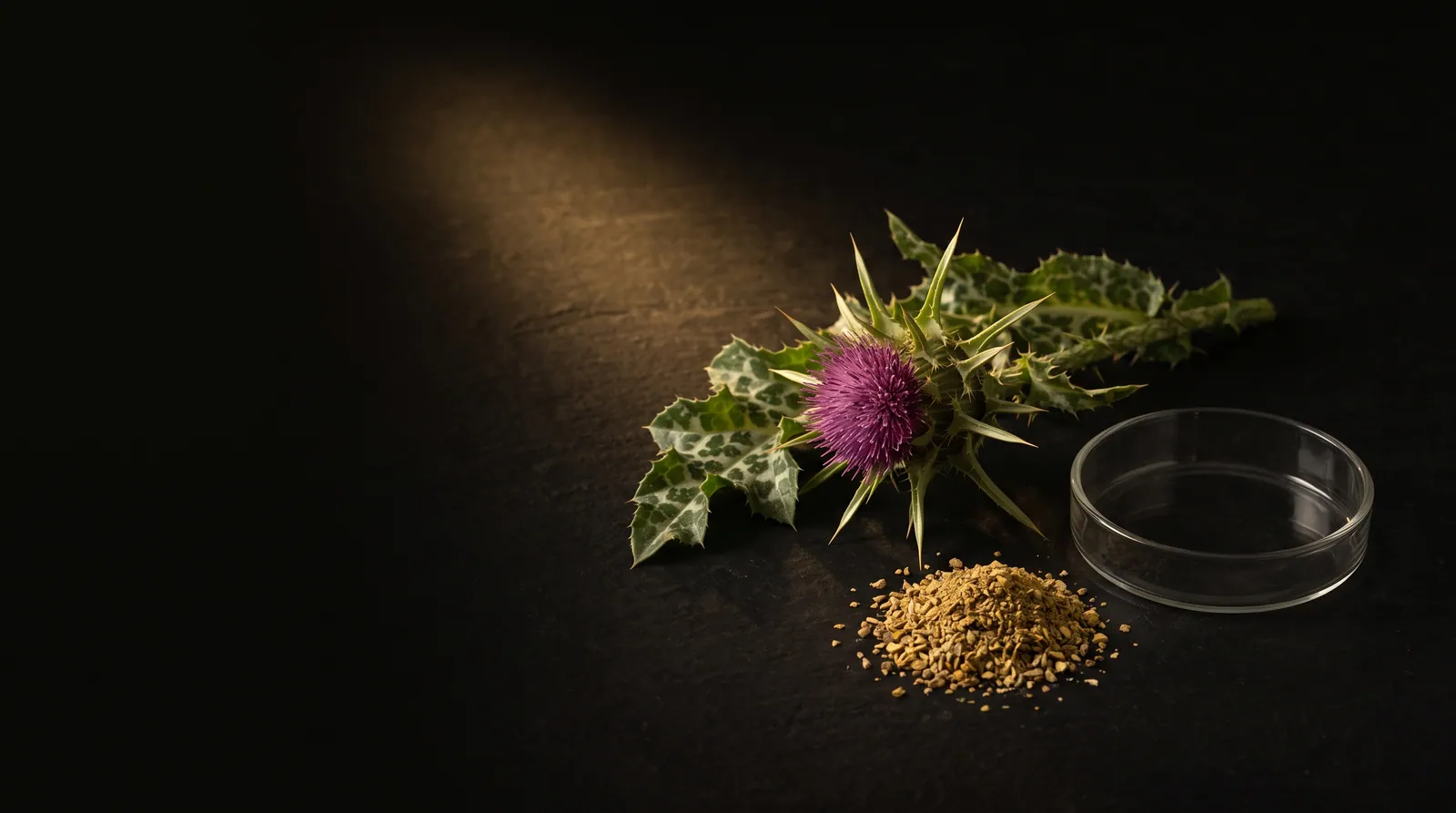
Caraway
Carum carvi
Mechanism
Caraway fruits contain essential oil with carvone and limonene as main components. Traditionally they are used carminatively and antispasmodically for flatulence and a feeling of fullness; the EMA/HMPC monograph classifies the use as traditionally established (well-established traditional use) for mild digestive complaints. Robust equine endpoint studies are largely lacking; use in the horse is shaped by empirical medicine and rests on transfer from human phytotherapy.
Cautions
- · Essential oils dose-dependently irritant — dose moderately, crush fruits fresh
- · Use with restraint during pregnancy/lactation due to lack of data
- · In sport horses do a competition/withdrawal check, as it is essential-oil-containing
Sources
Usage note
This content is for information and education. It does not replace veterinary diagnosis or treatment. If your horse shows signs of illness, consult a veterinarian.
“Nothing forced can ever be beautiful.”
Equiterna is an intermediary platform for equine knowledge, marketplace and tools — not a veterinary-medicines dealer, veterinary practice or pharmacy. Compound information is study-attributed and free of healing claims. Legal framework: Regulation (EU) 2019/6 / TAMG (DE/AT), Feed Regulation (EC) 767/2009, FEI Prohibited Substances List, HWG.