

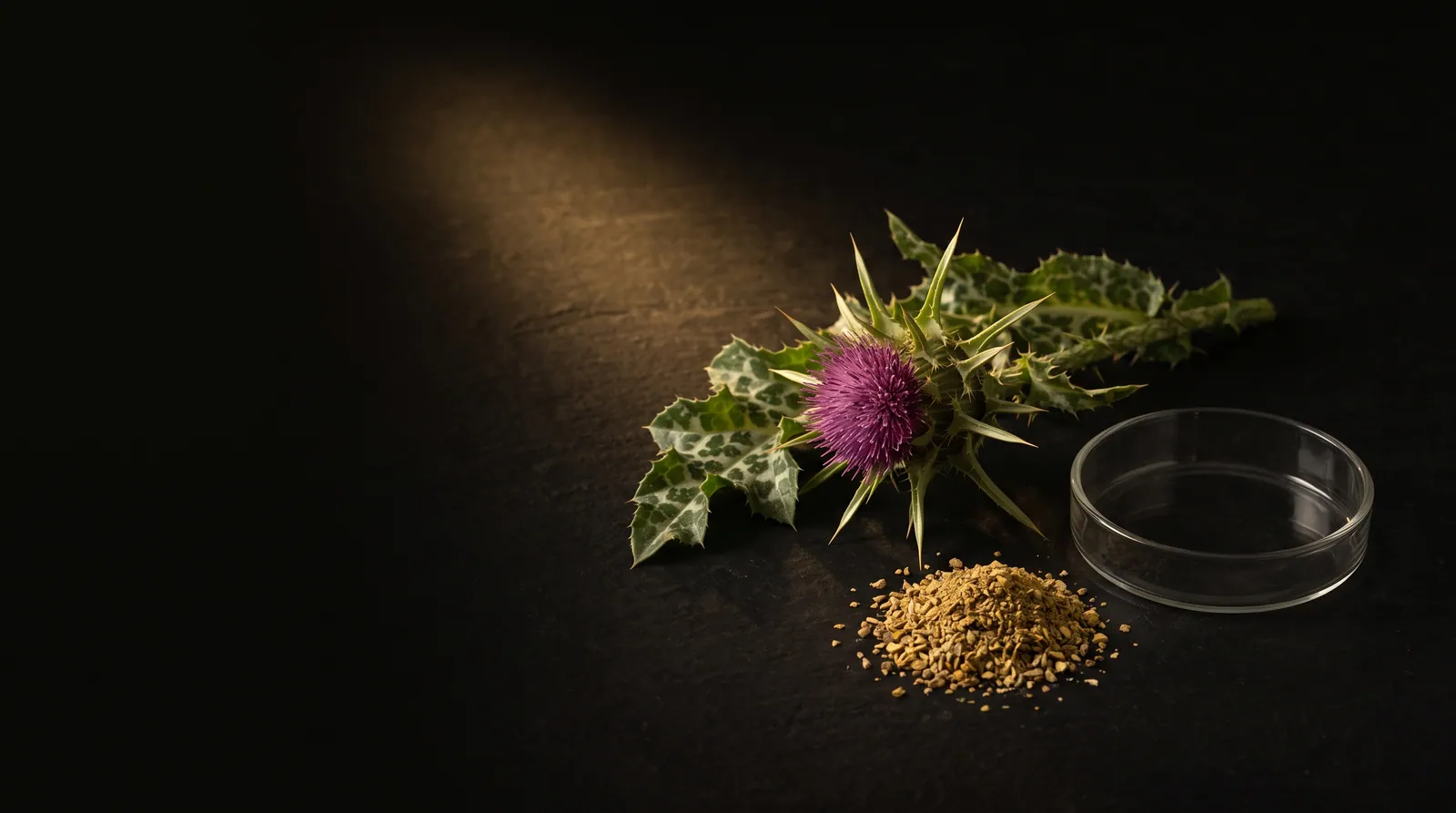
Klee
Rotklee · Trifolium pratense
Short profile in progress — full depth follows step by step.
Mechanism
Rotklee (Trifolium pratense) ist eine proteinreiche Leguminose und enthaelt Isoflavone wie Formononetin und Biochanin A, die als Phytooestrogene eine oestrogenartige Wirkung entfalten koennen. Bei Verderb oder Schimmel, besonders von Steinklee (Melilotus), kann Cumarin zu Dicumarol umgewandelt werden, das die Blutgerinnung beeinflusst. Als Gruenpflanze wird Klee traditionell im Raufutter genutzt (Futtermittel-VO 767/2009).
Cautions
- · Isoflavone/Phytooestrogene - bei Zucht und tragenden Stuten zurueckhaltend einsetzen
- · Verschimmelter (Stein-)Klee: Cumarin/Dicumarol-Risiko fuer die Blutgerinnung
- · Hoher Kleeanteil kann Gasbildung und Kolikneigung foerdern
- · Keine Heilaussage
Sources
Usage note
This content is for information and education. It does not replace veterinary diagnosis or treatment. If your horse shows signs of illness, consult a veterinarian.
“Nothing forced can ever be beautiful.”
Equiterna is an intermediary platform for equine knowledge, marketplace and tools — not a veterinary-medicines dealer, veterinary practice or pharmacy. Compound information is study-attributed and free of healing claims. Legal framework: Regulation (EU) 2019/6 / TAMG (DE/AT), Feed Regulation (EC) 767/2009, FEI Prohibited Substances List, HWG.