Kelp
Ascophyllum nodosum · Seaweed
Mechanism
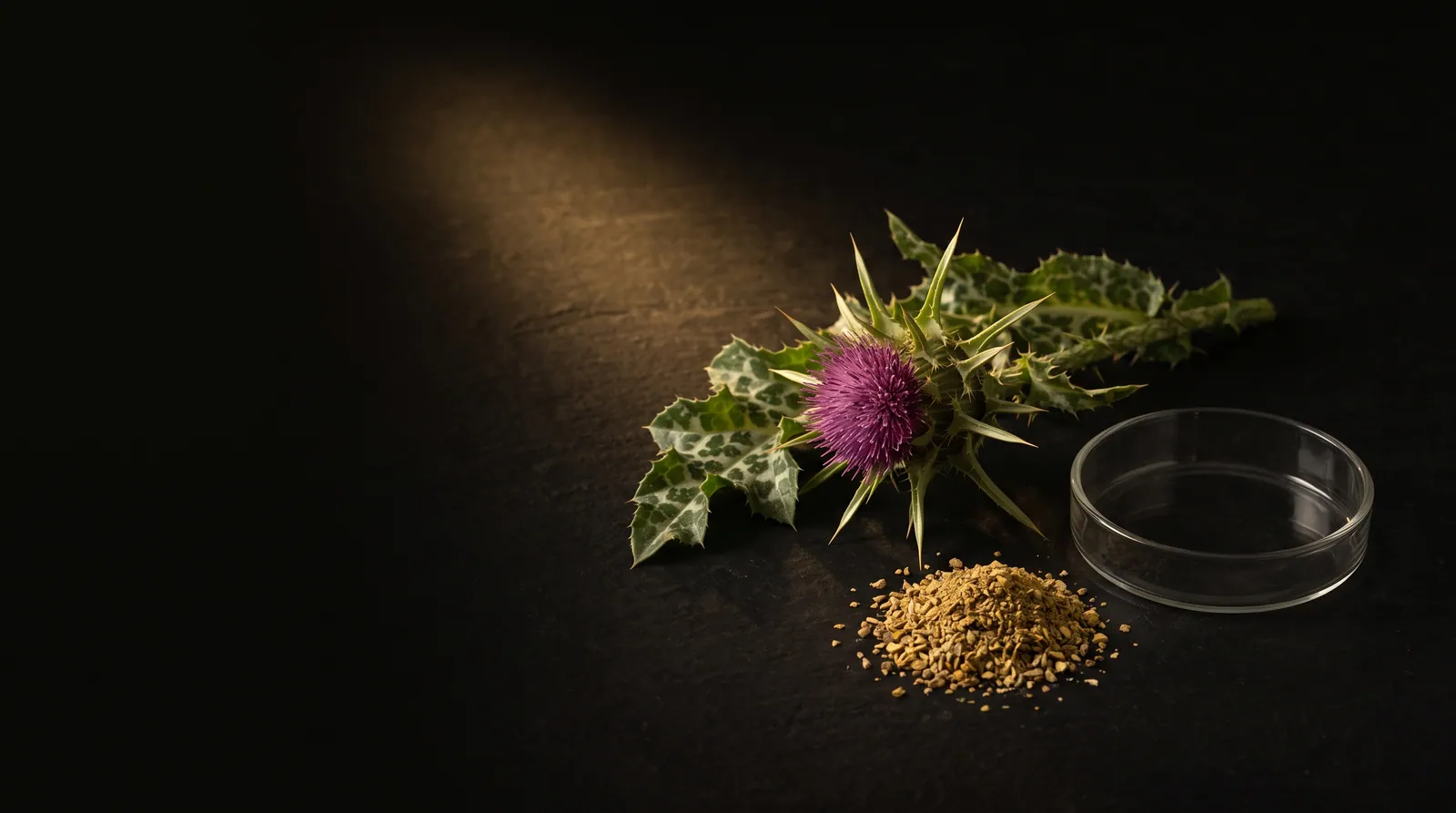
Kelp (frequently Ascophyllum nodosum) is a brown alga marketed as a source of minerals and trace elements. Safety-determining is the very high and strongly fluctuating iodine content (literature values for Ascophyllum range from a few hundred to over 3000 mg/kg). An iodine excess can inhibit thyroid hormone formation and lead to functional disorders in the horse; goiter is documented in foals whose mares received kelp-/iodine-rich additives, since iodine is transferred transplacentally and via the milk. Because of the range of fluctuation, kelp is difficult to control as an iodine source and can add up with other iodine-containing mineral feeds to a double supply.
Cautions
- · High, strongly fluctuating iodine content — overdosing disrupts the thyroid
- · Do NOT combine with other iodine sources (mineral feed) — avoid double supply
- · Particularly critical in pregnant/lactating mares: iodine excess can trigger goiter in the foal
- · Demand a batch with declared iodine content; check the iodine total balance with a veterinarian/feeding specialist
Sources
Usage note
This content is for information and education. It does not replace veterinary diagnosis or treatment. If your horse shows signs of illness, consult a veterinarian.
“Nothing forced can ever be beautiful.”
Equiterna is an intermediary platform for equine knowledge, marketplace and tools — not a veterinary-medicines dealer, veterinary practice or pharmacy. Compound information is study-attributed and free of healing claims. Legal framework: Regulation (EU) 2019/6 / TAMG (DE/AT), Feed Regulation (EC) 767/2009, FEI Prohibited Substances List, HWG.