

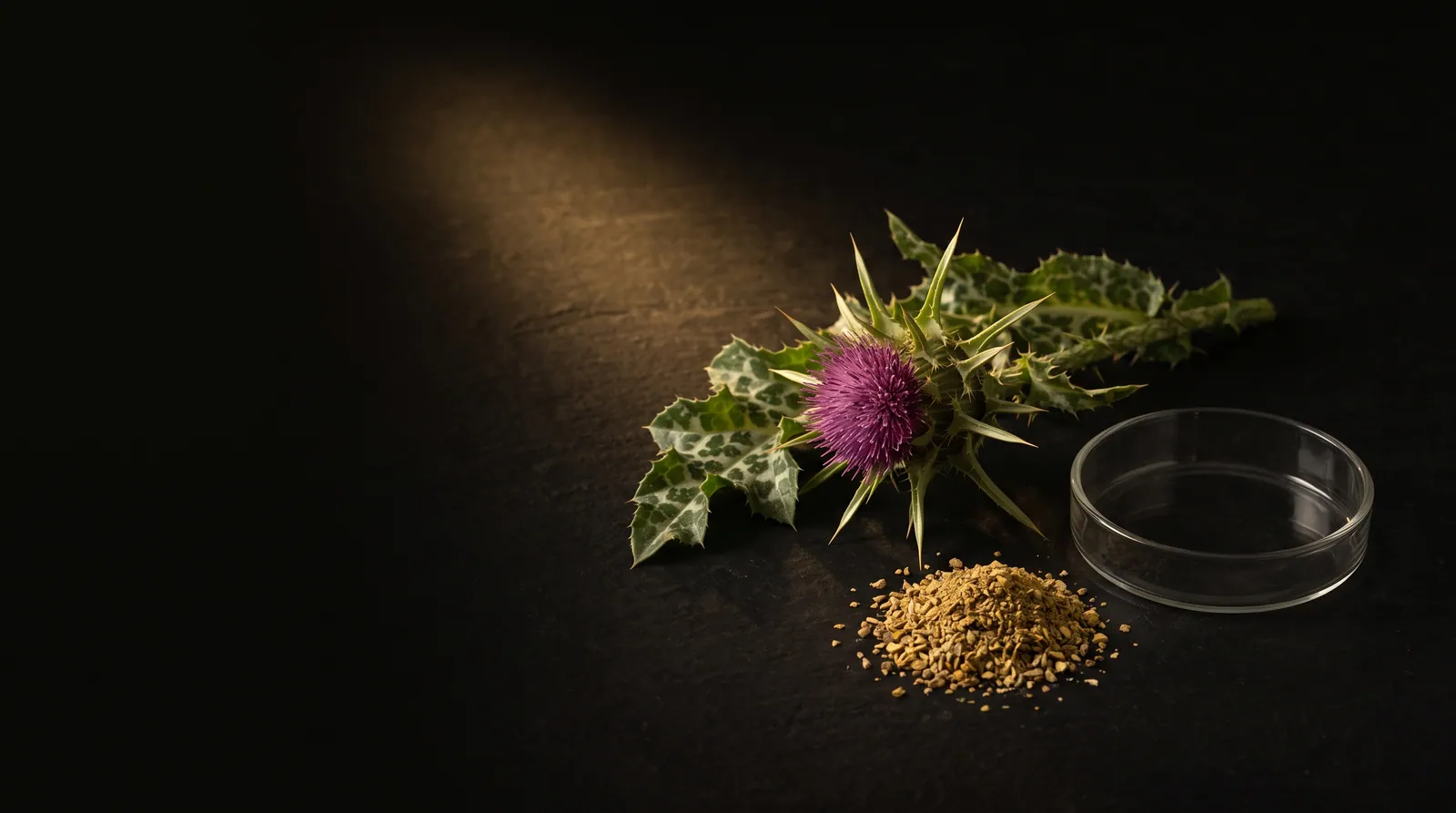
Johannisbrot / Carob
Ceratonia siliqua · Carob · Karube
Mechanism
Carob-Schoten enthalten 40-60% Zucker, dazu reichlich Ballaststoffe, den Zuckeralkohol D-Pinit sowie kondensierte und hydrolysierbare Tannine und weitere Polyphenole (DOI 10.1002/jsfa.2740331219; GI-Review PMID 28686965). Der Tanninanteil wirkt adstringierend und kann leicht stopfen; in Wiederkaeuer-Fuetterungsversuchen beeinflussten Carob-Tannine Futteraufnahme und Verdauung. Beim Pferd wird Carob v.a. als schmackhafte, kakaofreie Beigabe und als Traegerstoff genutzt; kontrollierte Pferdestudien fehlen. Trotz Einstufung green gilt: der Zuckeranteil gehoert in die NSC-Bilanz.
Cautions
- · Zuckerreich - bei EMS/PPID und Uebergewicht Menge begrenzen
- · Hohe Tanninmengen koennen Protein-/Mineralverfuegbarkeit senken und stopfend wirken
- · Nicht mit Kakao verwechseln: Carob ist theobrominfrei und daher kein Doping-/Theobrominrisiko
Sources
Usage note
This content is for information and education. It does not replace veterinary diagnosis or treatment. If your horse shows signs of illness, consult a veterinarian.
“Nothing forced can ever be beautiful.”
Equiterna is an intermediary platform for equine knowledge, marketplace and tools — not a veterinary-medicines dealer, veterinary practice or pharmacy. Compound information is study-attributed and free of healing claims. Legal framework: Regulation (EU) 2019/6 / TAMG (DE/AT), Feed Regulation (EC) 767/2009, FEI Prohibited Substances List, HWG.