Bilberry
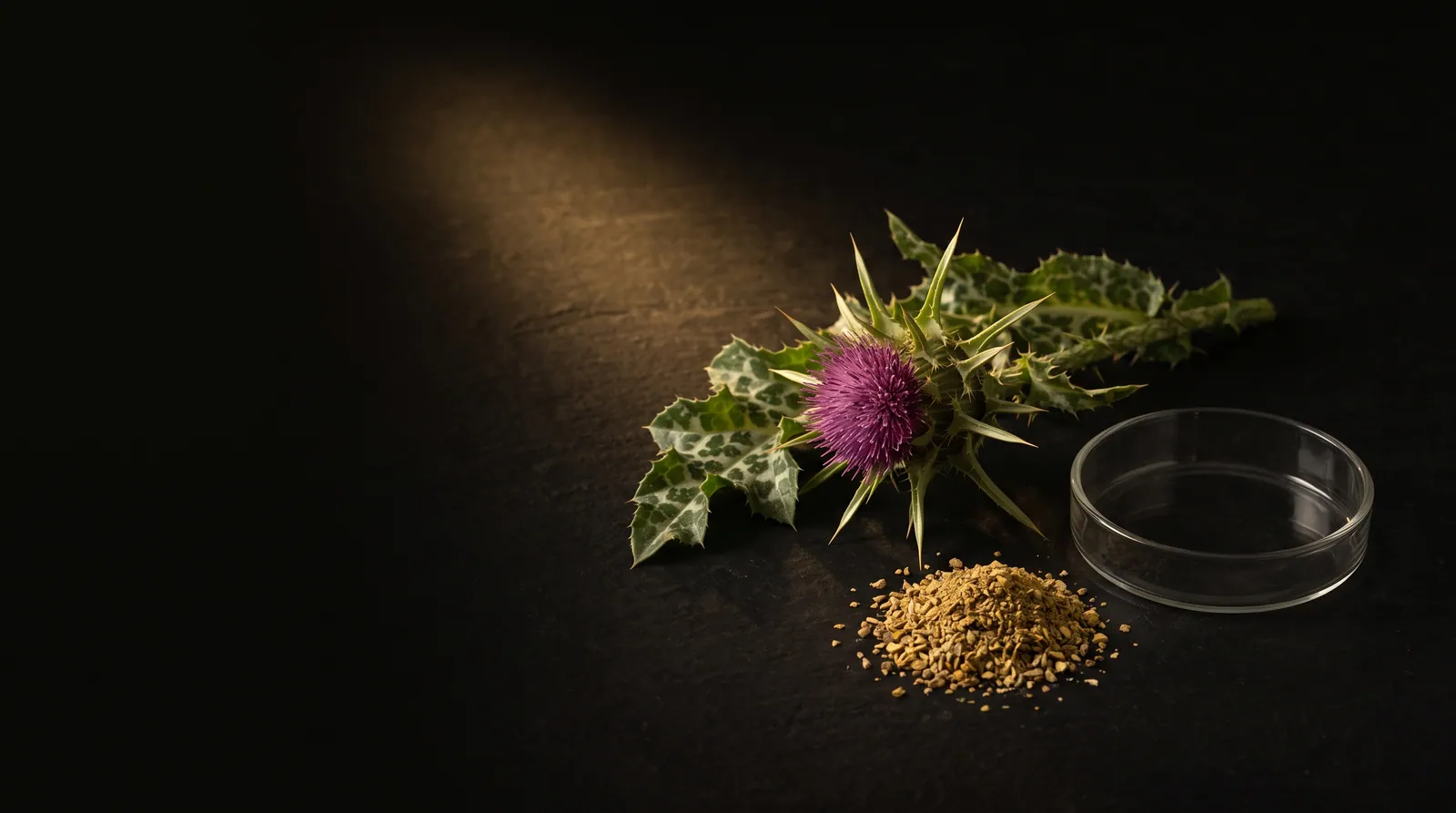
Vaccinium myrtillus · Bilberry
Mechanism
The bilberry (Vaccinium myrtillus, bilberry) contains a high proportion of anthocyanins as well as tannins. The anthocyanins are credited with antioxidant and vessel-supporting properties; traditionally the bilberry is mentioned in connection with the eyes and microcirculation. Dried bilberries additionally have an astringent effect through their tannin content. Controlled equine studies on clinical endpoints are practically not available; the use is based on experiential medicine and transferred from human data.
Cautions
- · Dried berries act astringently (tannins) — keep the amount moderate
- · Account for the sugar content of fresh berries in EMS/insulin dysregulation
Sources
Usage note
This content is for information and education. It does not replace veterinary diagnosis or treatment. If your horse shows signs of illness, consult a veterinarian.
“Nothing forced can ever be beautiful.”
Equiterna is an intermediary platform for equine knowledge, marketplace and tools — not a veterinary-medicines dealer, veterinary practice or pharmacy. Compound information is study-attributed and free of healing claims. Legal framework: Regulation (EU) 2019/6 / TAMG (DE/AT), Feed Regulation (EC) 767/2009, FEI Prohibited Substances List, HWG.