

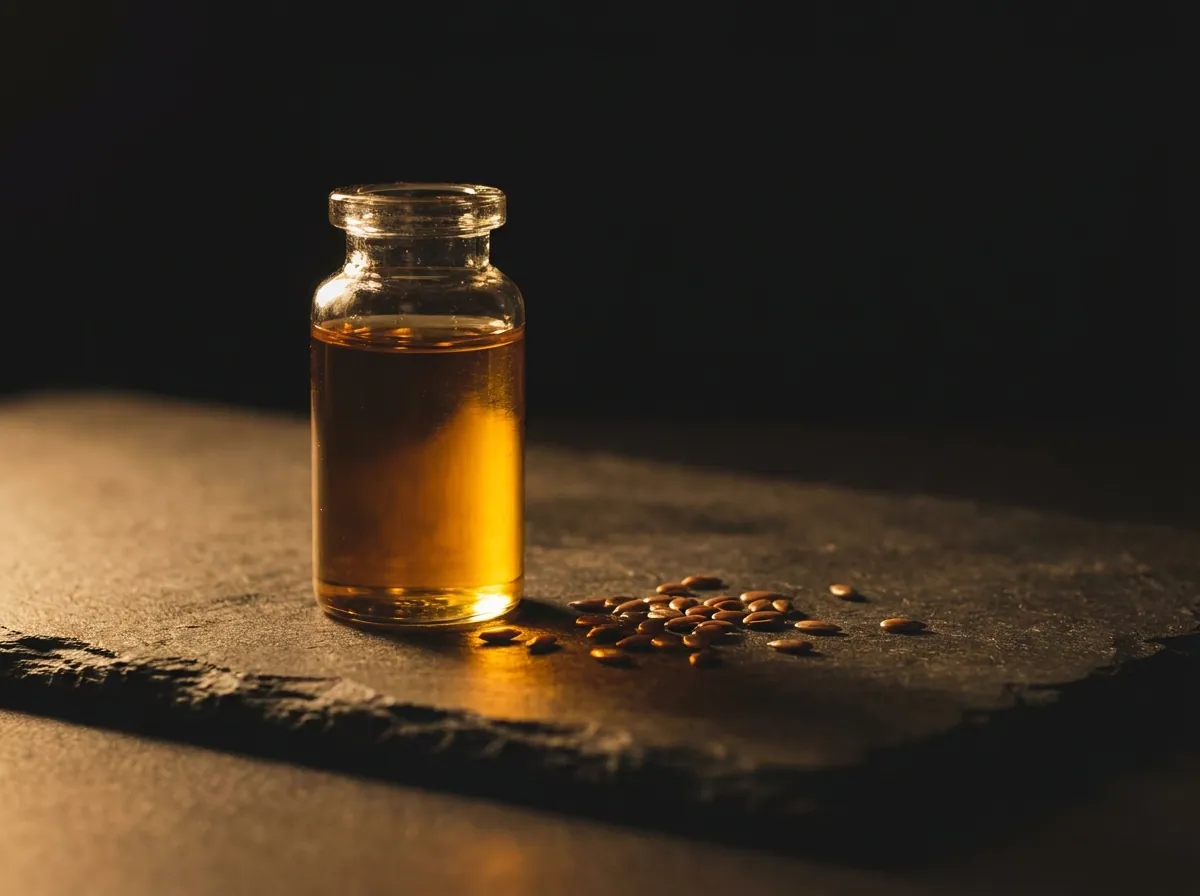
GLA (Gamma-linolenic acid)
C18:3 n-6 · Gamma-linolenic acid
Mechanism
Gamma-linolenic acid (C18:3 n-6) is an omega-6 fatty acid from borage, evening primrose and blackcurrant seed oil. Unlike most n-6 fatty acids, it acts via a paradoxically anti-inflammatory pathway: GLA is rapidly elongated to dihomo-gamma-linolenic acid (DGLA), from which the less inflammatory 1-series prostaglandins (including PGE1) and 15-HETrE arise, while the further conversion of DGLA to arachidonic acid is limited. The evidence for this mechanism comes predominantly from human and small-animal models (skin barrier, atopic processes) and is so far only very thinly documented in the horse - controlled equine studies are largely lacking. GLA has been associated with the field of skin-barrier and coat health. Because of the strong extrapolation from other species, the evidential value for the horse is currently low.
Cautions
- · Equine evidence very thin - effect largely extrapolated from human/small-animal data.
- · As an n-6 fatty acid, dose according to product; avoid an unfavourably high total n-6 intake and tipping the n-6/n-3 balance.
- · Seed oils oxidise; store cool and mind the vitamin E requirement.
Sources
Usage note
This content is for information and education. It does not replace veterinary diagnosis or treatment. If your horse shows signs of illness, consult a veterinarian.
“Nothing forced can ever be beautiful.”
Equiterna is an intermediary platform for equine knowledge, marketplace and tools — not a veterinary-medicines dealer, veterinary practice or pharmacy. Compound information is study-attributed and free of healing claims. Legal framework: Regulation (EU) 2019/6 / TAMG (DE/AT), Feed Regulation (EC) 767/2009, FEI Prohibited Substances List, HWG.