

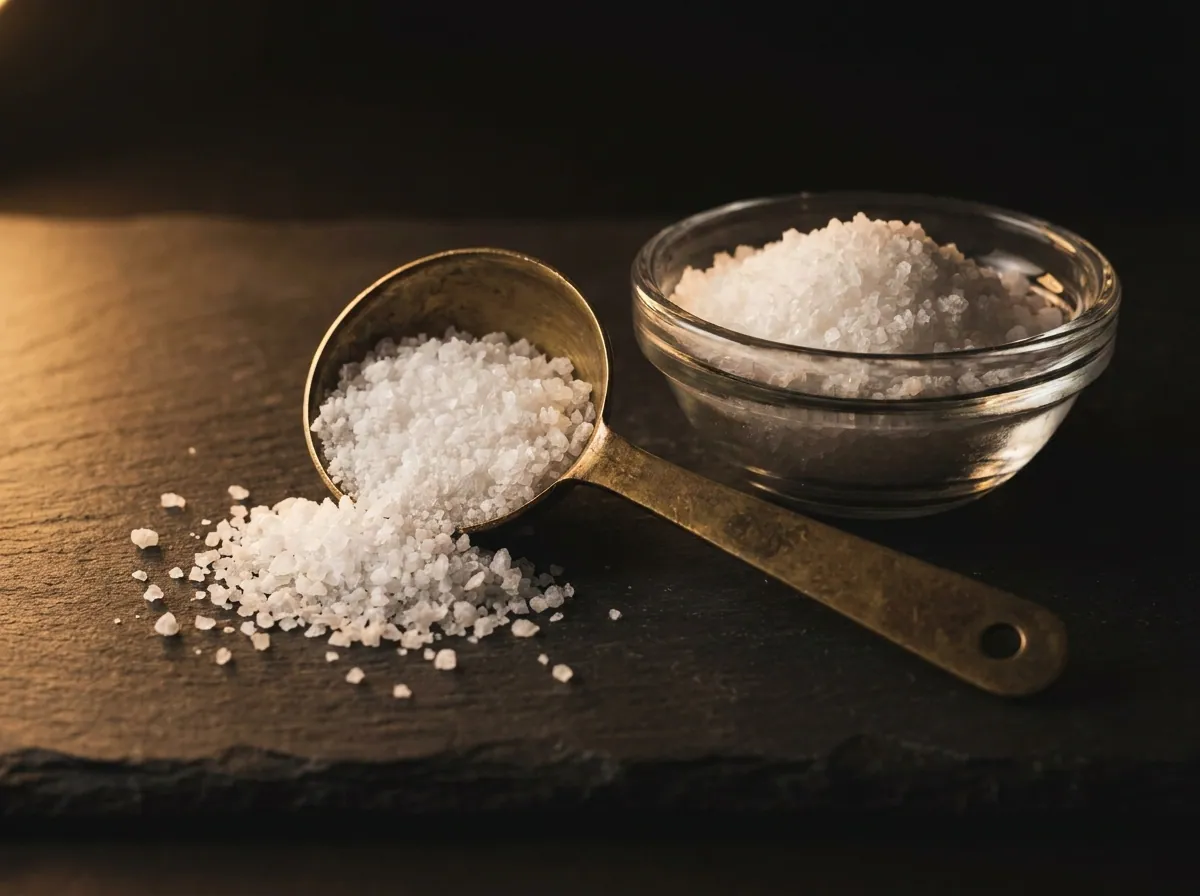
Calcium
Ca
Mechanism
Calcium is quantitatively the most important mineral in the skeleton, where it is present mainly as hydroxyapatite. In metabolism it regulates muscle contraction, neuromuscular conduction and blood clotting. The decisive factor is not the single value but the calcium-phosphorus ratio of the overall ration: it should be roughly 1.5–2:1 and must not fall below 1:1. Lucerne (alfalfa) and mineral feeds are rich calcium sources, whereas cereal-heavy rations can shift the ratio in favour of phosphorus. A balanced supply is particularly relevant for growing horses and pregnant or lactating mares.
Cautions
- · Always balance in relation to phosphorus — Ca:P not below 1:1
- · Excess calcium can impair the absorption of phosphorus, magnesium and zinc
- · Increased need during growth, pregnancy (from month 9) and lactation
Sources
Usage note
This content is for information and education. It does not replace veterinary diagnosis or treatment. If your horse shows signs of illness, consult a veterinarian.
“Nothing forced can ever be beautiful.”
Equiterna is an intermediary platform for equine knowledge, marketplace and tools — not a veterinary-medicines dealer, veterinary practice or pharmacy. Compound information is study-attributed and free of healing claims. Legal framework: Regulation (EU) 2019/6 / TAMG (DE/AT), Feed Regulation (EC) 767/2009, FEI Prohibited Substances List, HWG.