

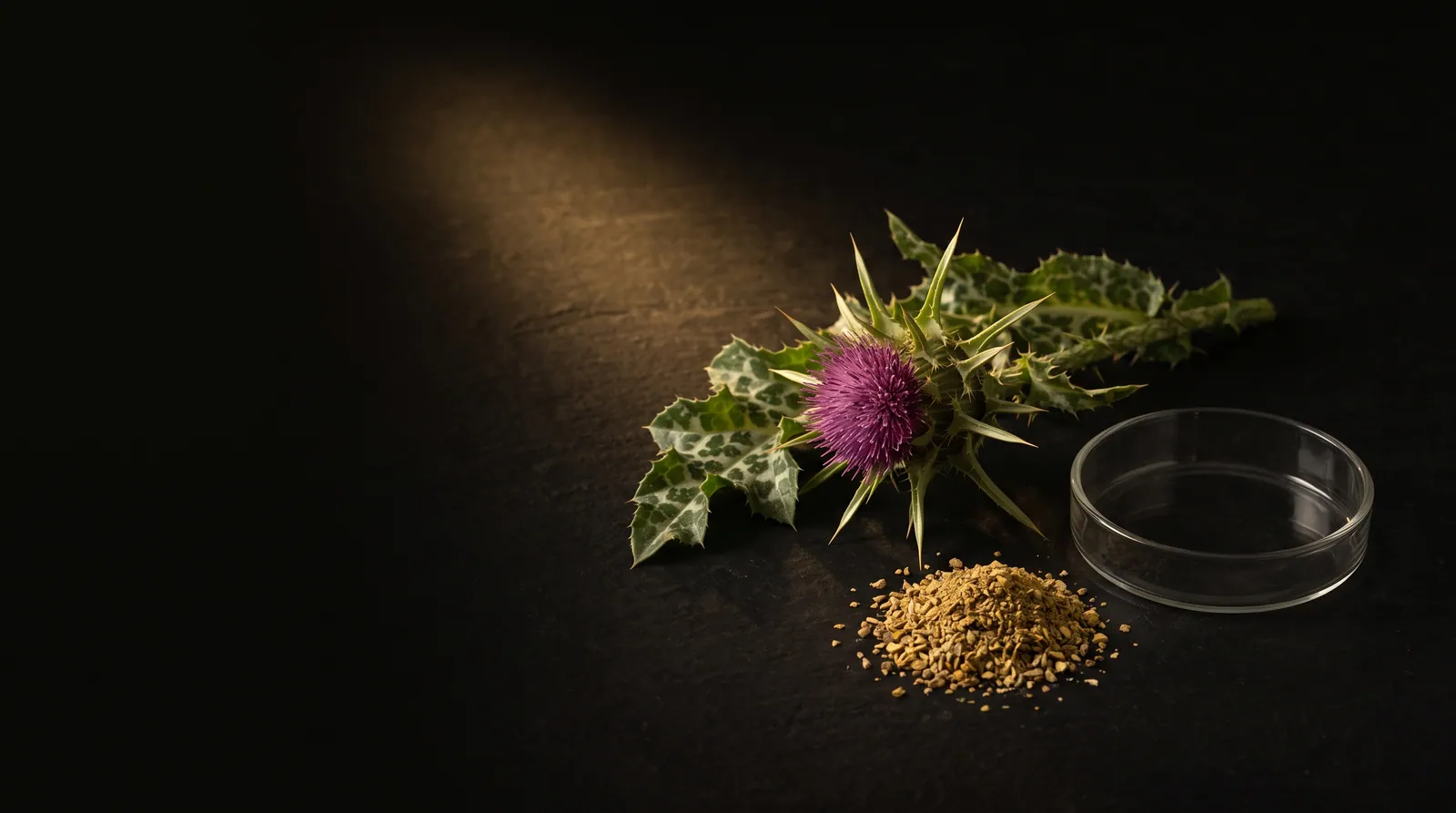
Bockshornklee
Trigonella foenum-graecum L. · Fenugreek · Griechisch Heu · Kuhhornklee
Mechanism
Bockshornkleesamen liefern reichlich Schleimpolysaccharide (Galaktomannane), Bitterstoffe, Steroidsaponine (u. a. Diosgenin), die Aminosaeure 4-Hydroxyisoleucin sowie Flavonoide; daraus werden appetitanregende, magenschleimhaut-umhuellende (demulzente) und metabolische (insulinotrope, blutzucker- und lipidmodulierende) Effekte abgeleitet (Bioactive-Potential-Review, PMC12411738). Traditionell und in Humanstudien ist zudem eine galaktagoge (milchbildungsfoerdernde) Verwendung dokumentiert (LactMed/NIH, NBK501779). Wichtig fuer die equine Anwendung ist das reproduktionstoxikologische Profil: Bockshornklee besitzt milde oxytocische/uterusstimulierende Eigenschaften, und Sprossextrakte zeigten im Nagermodell abortive und neuroentwicklungstoxische Effekte (PMC7166263) - daher strikte Kontraindikation in der Traechtigkeit. Kontrollierte equine Wirksamkeitsstudien fehlen; die Einordnung stuetzt sich auf Human-/Nagerdaten. Einordnung: Ergaenzungsfuttermittel zur Schmackhaftmachung/Appetitunterstuetzung, keine Arzneiauslobung.
Cautions
- · STRIKT KONTRAINDIZIERT bei tragenden Stuten - oxytocische/uterusstimulierende Wirkung, im Nagermodell abortive Effekte belegt
- · Vorsicht bei laktierenden Stuten (galaktagoge/hormonelle Beeinflussung; Ahornsirup-Geruch von Schweiss/Harn moeglich)
- · Kann Blutzucker senken - Vorsicht bei EMS/PPID-Vormedikation und Insulindysregulation, tieraerztliche Ruecksprache
- · Moegliche additive Wirkung mit Antikoagulanzien (Cumarin-Komponenten)
- · Kreuzallergie bei Huelsenfruchtler-/Erdnuss-Sensibilisierung moeglich; keine kontrollierten equinen Studien
Sources
Usage note
This content is for information and education. It does not replace veterinary diagnosis or treatment. If your horse shows signs of illness, consult a veterinarian.
“Nothing forced can ever be beautiful.”
Equiterna is an intermediary platform for equine knowledge, marketplace and tools — not a veterinary-medicines dealer, veterinary practice or pharmacy. Compound information is study-attributed and free of healing claims. Legal framework: Regulation (EU) 2019/6 / TAMG (DE/AT), Feed Regulation (EC) 767/2009, FEI Prohibited Substances List, HWG.