

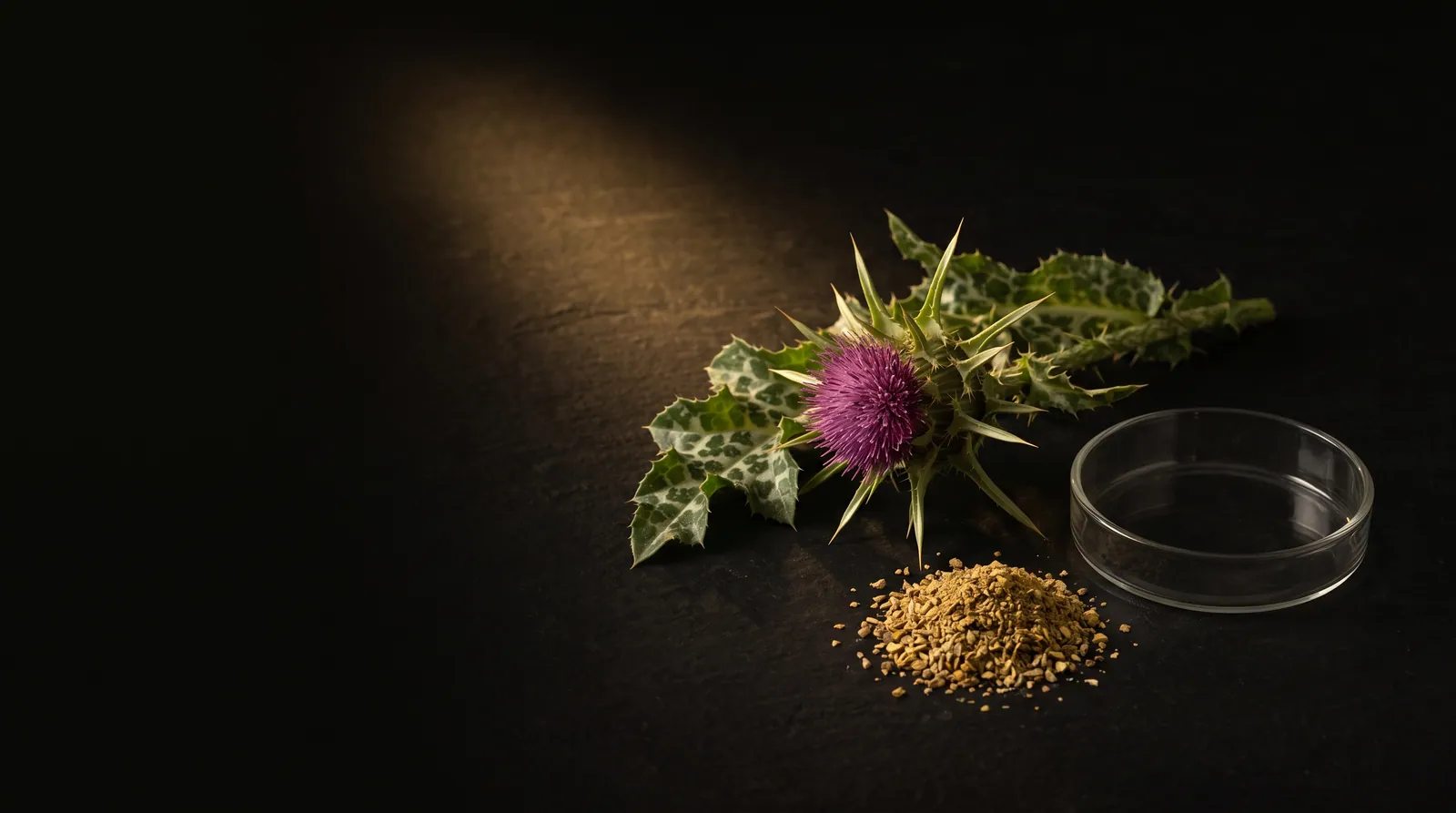
Beinwellwurzel
Beinwell · Symphytum officinale · Comfrey · Wallwurz
Short profile in progress — full depth follows step by step.
Mechanism
Die Beinwellwurzel (Symphytum officinale) enthält Allantoin und Schleimstoffe, deren traditionelle Anwendung ausschließlich äußerlich diskutiert wird. Zugleich enthält sie hepatotoxische und genotoxische Pyrrolizidinalkaloide (PA), die in der Leber zu reaktiven, leberschädigenden Metaboliten umgesetzt werden. Wegen dieser PA-Belastung wird eine innerliche Anwendung nicht empfohlen (Futtermittel-VO 767/2009).
Cautions
- · Enthält hepatotoxische und genotoxische Pyrrolizidinalkaloide (PA)
- · Innerliche Anwendung wird NICHT empfohlen - nur traditionell äußerlich, begrenzt und auf intakter Haut diskutiert
- · Nicht bei tragenden oder laktierenden Tieren, nicht auf offene Wunden
- · Keine Heilaussage
- · Warnung: Pyrrolizidinalkaloide (leber-/kanzerogen) - innerliche Gabe kritisch, tierärztliche Rücksprache; Eignung als Futtermittel fragwürdig.
Sources
Usage note
This content is for information and education. It does not replace veterinary diagnosis or treatment. If your horse shows signs of illness, consult a veterinarian.
“Nothing forced can ever be beautiful.”
Equiterna is an intermediary platform for equine knowledge, marketplace and tools — not a veterinary-medicines dealer, veterinary practice or pharmacy. Compound information is source-attributed (PubMed, specialist journals, NRC/GfE, EU regulations) and free of healing claims. Legal framework: Regulation (EU) 2019/6 / TAMG (DE/AT), Feed Regulation (EC) 767/2009, FEI Prohibited Substances List, HWG.