
Beifuß
Artemisia vulgaris L. · Gemeiner Beifuss · Mugwort · Wurmkraut
Mechanism
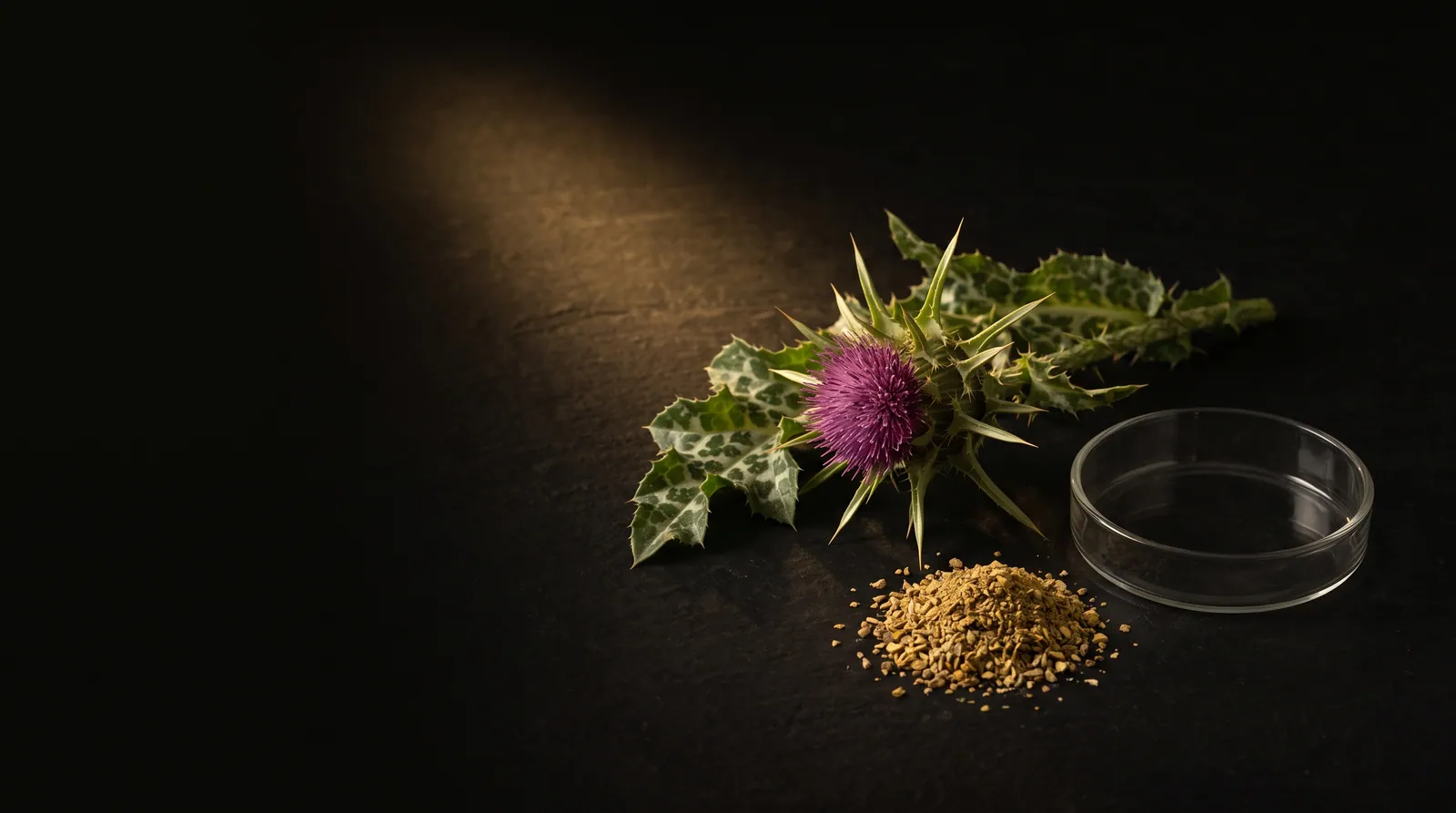
Beifusskraut enthaelt Bitterstoffe (Sesquiterpenlactone), Flavonoide und ein aetherisches Oel mit u. a. alpha-/beta-Thujon, 1,8-Cineol, Kampfer und beta-Pinen; die Zusammensetzung ist stark chemotyp- und standortabhaengig (Judzentiene & Garjonyte 2016, Nat Prod Commun). Traditionell wird die Droge als Bitter-/Verdauungsmittel (Amarum, choleretisch, karminativ) und historisch als Wurmkraut verwendet; berichtete anthelmintische In-vitro-Effekte sind jedoch inkonsistent (gegen Haemonchus contortus teils fehlend). Thujon ist ein GABA-A-antagonistisches Neurotoxin, das in hoeherer Dosis Kraempfe ausloesen kann - fuer Lebensmittel gelten deshalb enge Thujon-Grenzwerte (EFSA). Kontrollierte equine Studien fehlen; ein Wurmkraut-Ersatz fuer zugelassene Anthelminthika ist nicht belegt und angesichts der Resistenzlage nicht vertretbar. Einordnung: Ergaenzungsfuttermittel nur in kleiner Menge als Bitterkraut - keine anthelmintische Heilaussage.
Cautions
- · THUJON-haltiges aetherisches Oel - neurotoxisch/krampfausloesend in Menge; Dosis strikt begrenzen, nicht dauerhaft
- · tragende/laktierende Stuten meiden (Thujon; traditionell emmenagog/abortiv beschrieben)
- · kein Ersatz fuer zugelassene Anthelminthika - unbelegte Wirkung, Resistenzgefahr
- · Korbbluetler-Kreuzallergie (Beifusspollen) moeglich
- · kein spezifischer FEI-Verbotsstoff, aber CNS-aktives Thujon - Wettkampf meiden
Sources
Usage note
This content is for information and education. It does not replace veterinary diagnosis or treatment. If your horse shows signs of illness, consult a veterinarian.
“Nothing forced can ever be beautiful.”
Equiterna is an intermediary platform for equine knowledge, marketplace and tools — not a veterinary-medicines dealer, veterinary practice or pharmacy. Compound information is study-attributed and free of healing claims. Legal framework: Regulation (EU) 2019/6 / TAMG (DE/AT), Feed Regulation (EC) 767/2009, FEI Prohibited Substances List, HWG.