

ALA (Alpha-linolenic acid)
C18:3 n-3 · Alpha-linolenic acid
Mechanism
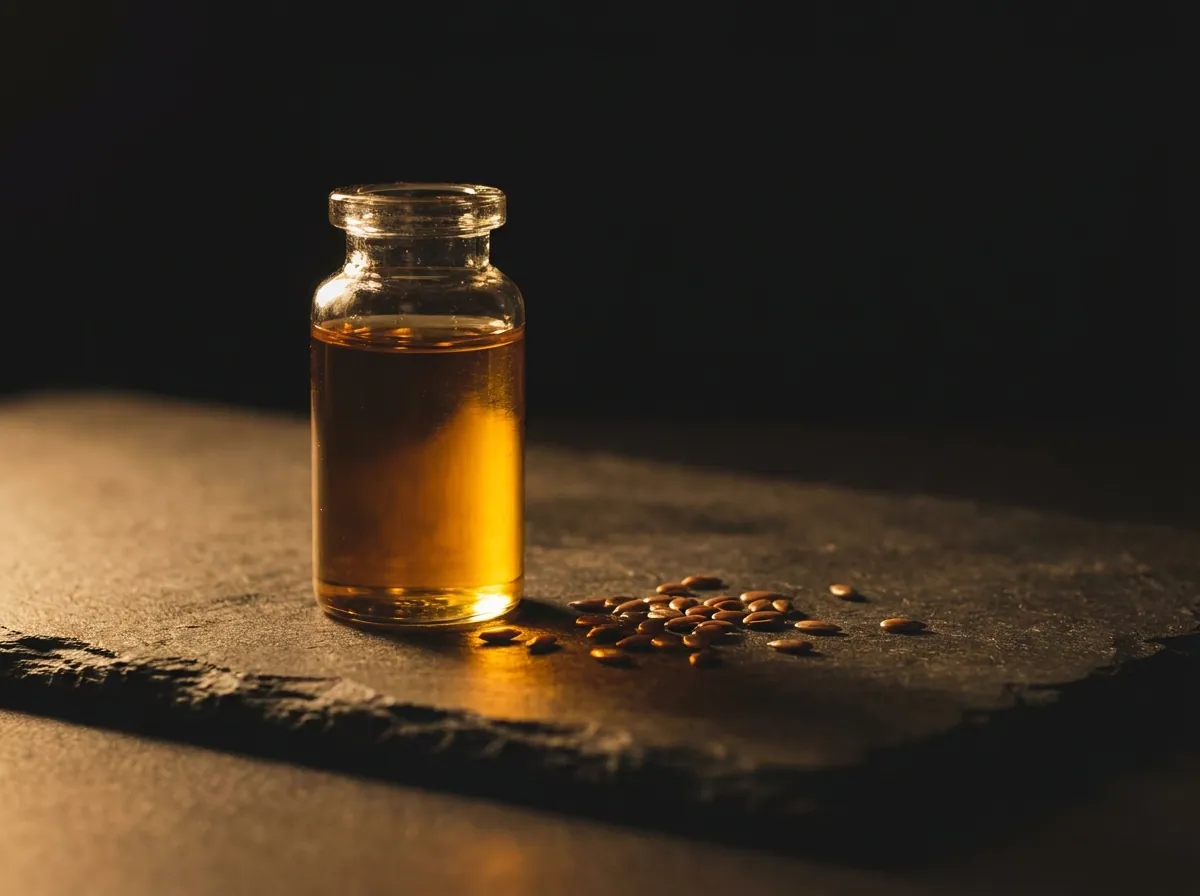
Alpha-linolenic acid (C18:3 n-3) is the plant-based baseline omega-3 fatty acid and the quantitatively dominant n-3 fraction in pasture grass, flaxseed/flaxseed oil and other seed oils - the natural main source for the grazing horse. ALA can theoretically be converted via elongation and desaturation to EPA and further to DHA, but this conversion is low in the horse (as in humans and most monogastrics) and is largely extrapolated from such models; a large share of the ALA supplied is oxidised for energy. As a result, an ALA-rich diet does improve the ration's n-6/n-3 ratio and plasma ALA status, but raises EPA/DHA tissue levels only to a limited degree. An ALA-focused fat supplement has been associated with the field of coat and skin quality as well as a more favourable fatty-acid balance. A specific minimum requirement is not quantified in NRC 2007 or GfE 2014.
Cautions
- · Conversion to EPA/DHA is low - ALA does not replace marine sources when preformed EPA/DHA is the goal.
- · Flaxseed oil oxidises quickly; feed ground flaxseed promptly (rancidity).
- · Higher PUFA intake increases the vitamin E requirement.
- · Raw flaxseed contains small amounts of cyanogenic glycosides; customary feeding amounts are considered safe, avoid very large raw quantities.
Sources
Usage note
This content is for information and education. It does not replace veterinary diagnosis or treatment. If your horse shows signs of illness, consult a veterinarian.
“Nothing forced can ever be beautiful.”
Equiterna is an intermediary platform for equine knowledge, marketplace and tools — not a veterinary-medicines dealer, veterinary practice or pharmacy. Compound information is study-attributed and free of healing claims. Legal framework: Regulation (EU) 2019/6 / TAMG (DE/AT), Feed Regulation (EC) 767/2009, FEI Prohibited Substances List, HWG.