

Viral Abortion / Abortion (mainly EHV-1)
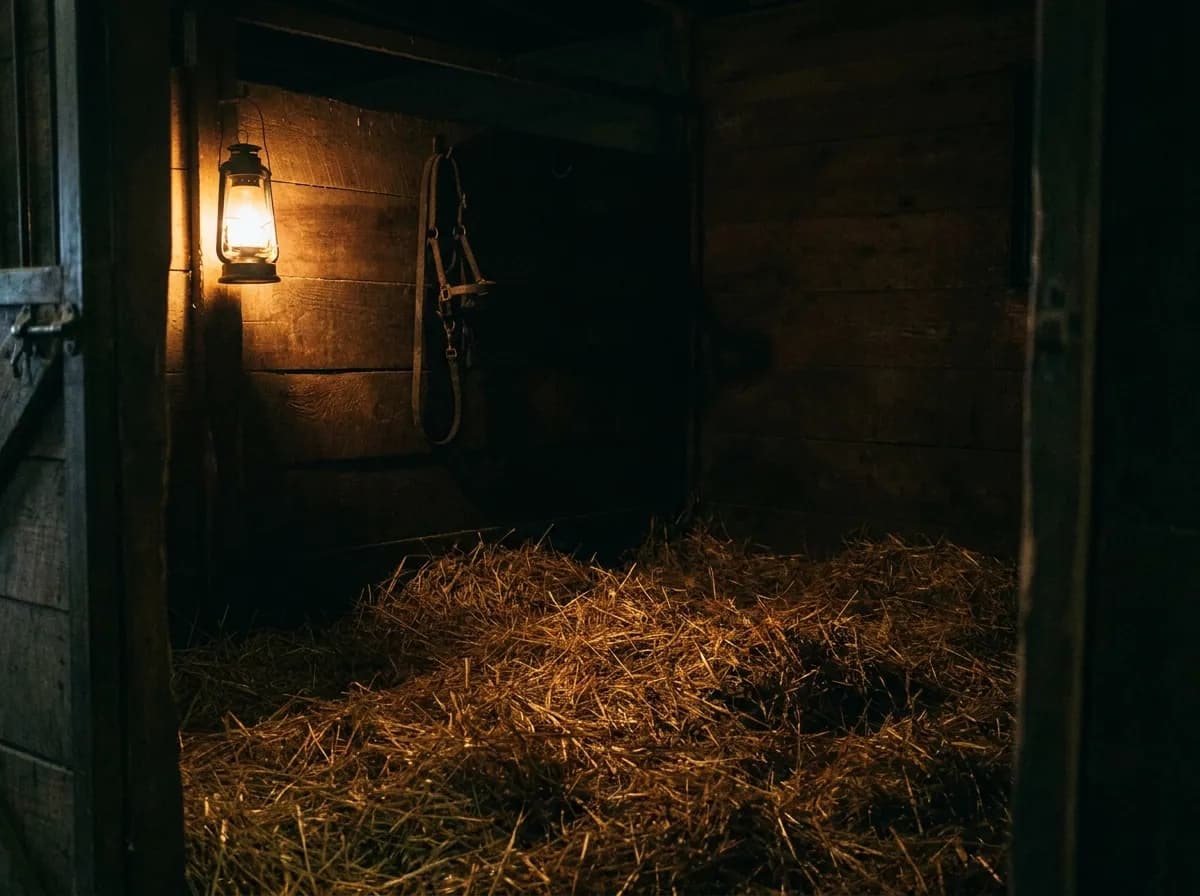
Premature death and expulsion of the foetus. One of the most important infectious causes is the equine herpesvirus (EHV-1), which can trigger single abortions up to abortion storms in the herd. Abortion material and amniotic fluid are highly contagious.
Veterinary care required
This condition belongs in veterinary diagnosis and treatment. Compounds are at most supportive.
Priority · vet & management
Veterinary and laboratory clarification of the cause is central — the aborted foetus and placenta should be sent for examination. With suspected EHV-1, immediate isolation of the mare, strict herd hygiene and a movement ban are decisive to prevent further abortions.
Possible causes
- · EHV-1 (Equine Herpesvirus 1)
- · further infections (e.g. Equine Viral Arteritis, bacterial placentitis)
- · twin pregnancy
- · umbilical cord/placental disorders
- · stress, endotoxaemia
Supportive compounds · supplementary feed, not medication
Prevention
Pregnancy vaccination against EHV-1 at the recommended times, separate housing of pregnant mares, quarantine of purchased horses and consistent hygiene lower the abortion risk.
Equiterna's take
Equiterna treats infectious abortion as a herd problem with a high transmission risk — vaccination, isolation and hygiene are the levers, not supplements; see also the related Equine Herpesvirus.
Usage note
This content is for information and education. It does not replace veterinary diagnosis or treatment. If your horse shows signs of illness, consult a veterinarian.
Equiterna is an intermediary platform for equine knowledge, marketplace and tools — not a veterinary-medicines dealer, veterinary practice or pharmacy. Compound information is study-attributed and free of healing claims. Legal framework: Regulation (EU) 2019/6 / TAMG (DE/AT), Feed Regulation (EC) 767/2009, FEI Prohibited Substances List, HWG.